Introduction
Is your monthly budget a rollercoaster? One month groceries spike, the next utility bills rise, and you end up cutting needs instead of wants. You want more predictability without sacrificing essentials. The plan is simple: control variable costs by making smart choices, not by sheer willpower alone.
In this guide you’ll find practical steps you can implement this month. You’ll learn how to track what changes, identify where you have real wiggle room, and build a system that adapts as prices and needs change.
Main Content
1) Build a clear baseline
Track expenses for 2-4 weeks. Separate essentials (housing, utilities, groceries, transport, health) from variables (dining out, entertainment, discretionary shopping).Set an anchor for essentials. If rent, utilities, and groceries total around $3,000 a month, that’s your baseline. Any extra spending goes into the variable pool.Spot spikes. If dining out jumps to $400 in a month, that becomes a target for adjustment, not a punishment.2) Use a budgeting framework that fits you
The 50/30/20 rule: 50% needs, 30% wants, 20% savings. If needs push beyond 50%, tighten elsewhere before touching essentials.The 60/20/20 version: 60% needs, 20% savings, 20% wants. This can feel easier when essentials are high.The 30-day rule for impulse purchases: wait 30 days on nonessential items over a small threshold; most times you’ll decide you don’t need them.3) Smart shopping and meal planning
Plan meals around a weekly grocery list tied to seasonal produce. This reduces waste and decision fatigue.Compare unit prices, use store brands, and buy bulk for staples like grains, beans, and canned goods.Limit impulse buys with a modest cooling-off threshold (e.g., $20). If it’s not essential after 30 days, skip it.4) Cut variable costs without cutting essentials
Subscriptions: audit monthly charges; cancel unused services or downgrade plans. Consider sharing family plans when possible.Energy and housing: switch to LED bulbs, unplug idle electronics, and adjust the thermostat by 1-2 degrees during absences. Small changes add up over time.Transportation: plan trips to combine errands; carpool; optimize routes to save fuel.Entertainment and dining: seek free or low-cost options—library resources, community events, or potlucks.5) Negotiate, renegotiate, renegotiate
Call providers to discuss rate reductions or loyalty discounts on bills (internet, mobile, insurance). A polite, informed conversation can yield 10-20% reductions.Reevaluate debt and offers. Refinancing or consolidation can lower monthly payments and shrink variable costs over time.6) Build a buffer and automate where it counts
Emergency fund: aim for 3-6 months of essential expenses to weather price spikes without cutting essentials.Automate small savings: set aside a weekly transfer for a cushion (even $25-$50).Automate bill payments to avoid late fees, but review bills monthly to catch errors or unnecessary charges.7) Review and adjust regularly
Schedule a monthly check-in (15-20 minutes) to compare actuals to plan. If you overspend in a category, adjust the next month’s allocations instead of slashing essentials.Let data guide decisions: if energy costs rise in winter, shift more to savings on other categories while keeping essentials intact.Real-world quick examples
Maria trimmed grocery waste by planning meals, buying in-season produce, and using a list. Her grocery bill dropped about 15-20% in two months while keeping all meals covered.Chris canceled two underused streaming services and redirected that budget to debt repayment, lowering his monthly expenses by roughly $25-$30 without changing daily routines.Conclusion
Managing variable expenses without cutting essentials is more about structure than deprivation. Start with a solid baseline, apply a flexible budgeting framework, and focus on high-impact reductions like discretionary spending, subscriptions, and energy use. Build a modest savings buffer so price bumps don’t derail essentials, and review your plan regularly to stay on course.
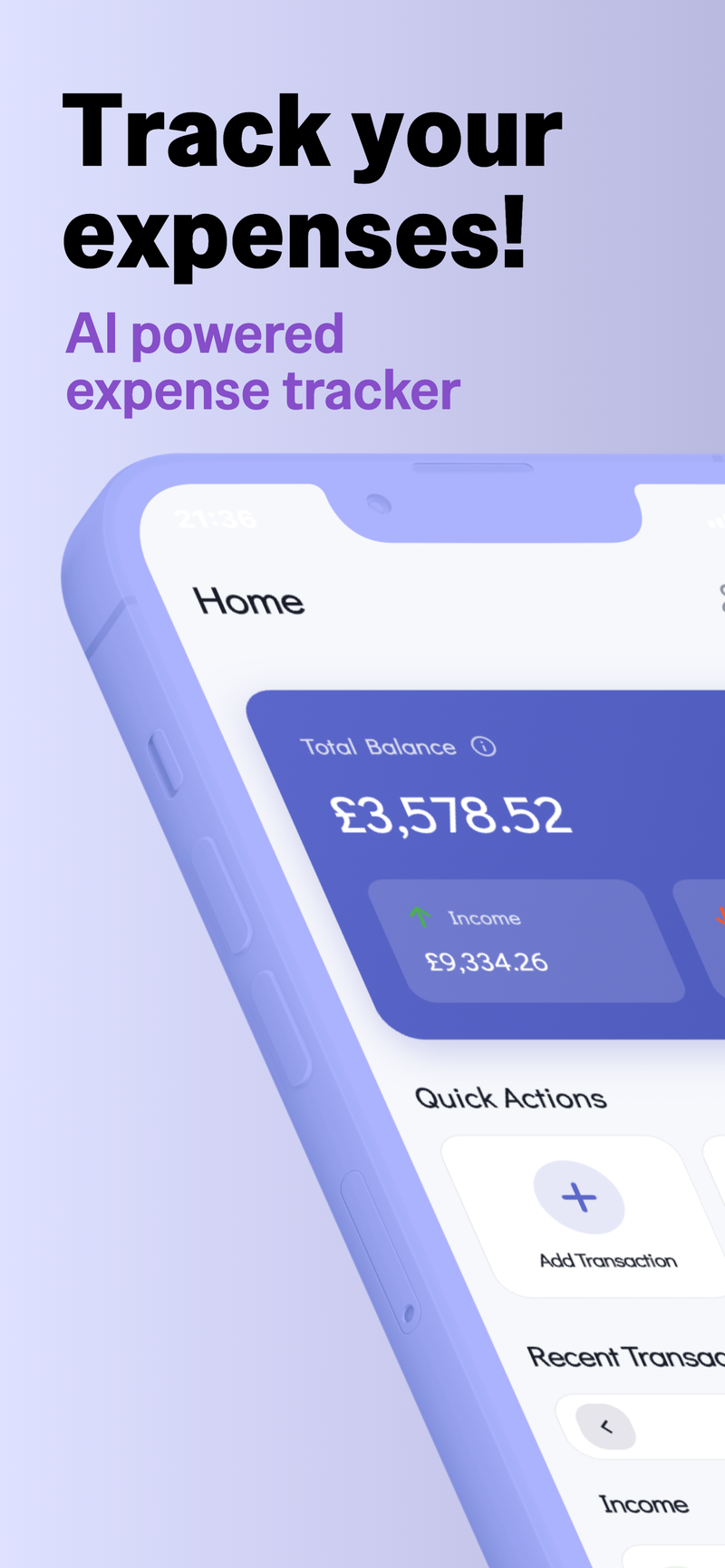
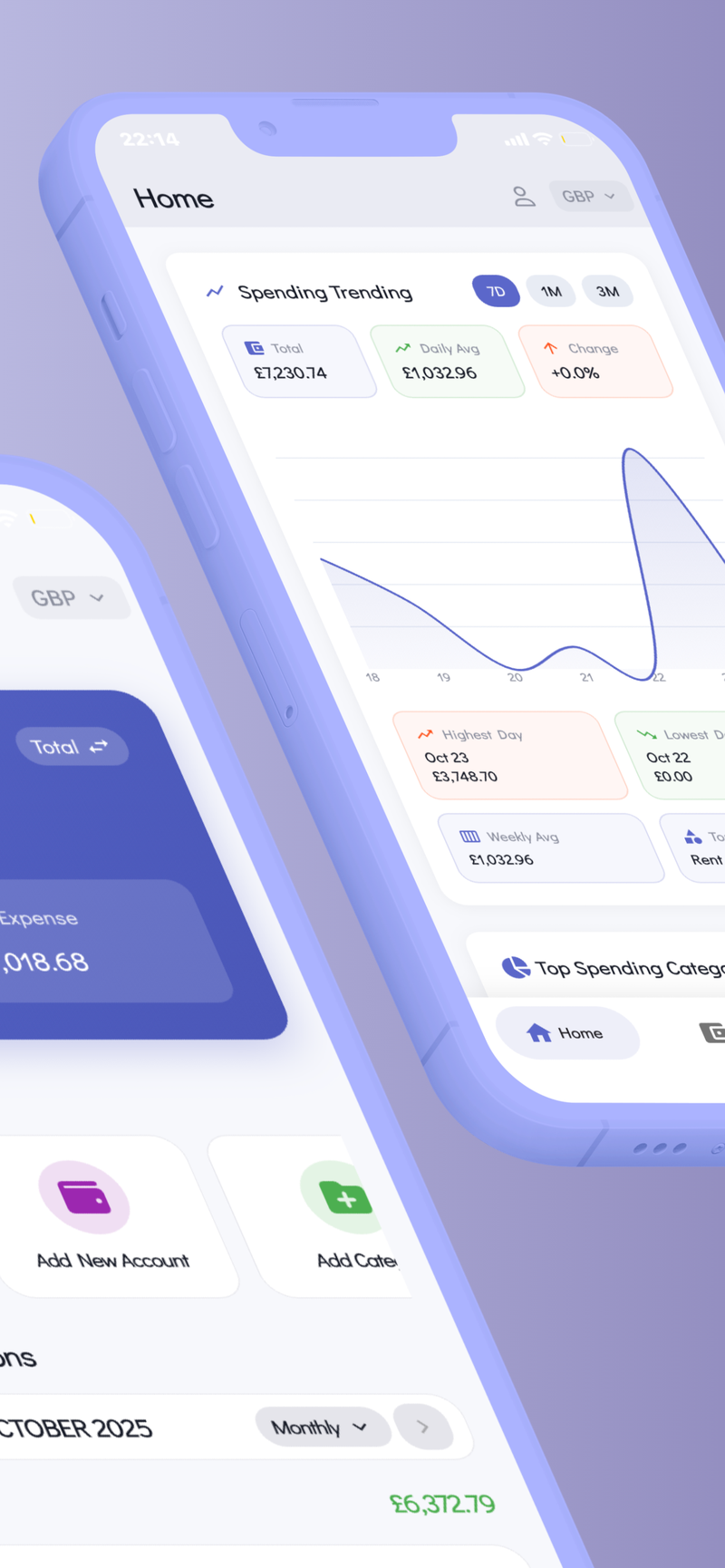
If you’re seeking a practical tool to help implement these habits, Fokus Budget can support this approach, especially with its Multi-Profile Support to manage multiple spending profiles across family members while keeping data on-device.