
·Health
Coping with Nicotine Withdrawal: Practical Strategies
Nicotine withdrawal can feel overwhelming, but practical coping strategies make a real difference. Learn how to plan, delay cravings, replace routines, and build a support system to quit smoking or vaping more effectively.
smoking cessationnicotine withdrawalcoping strategiesquit smoking tipsvaping cessation
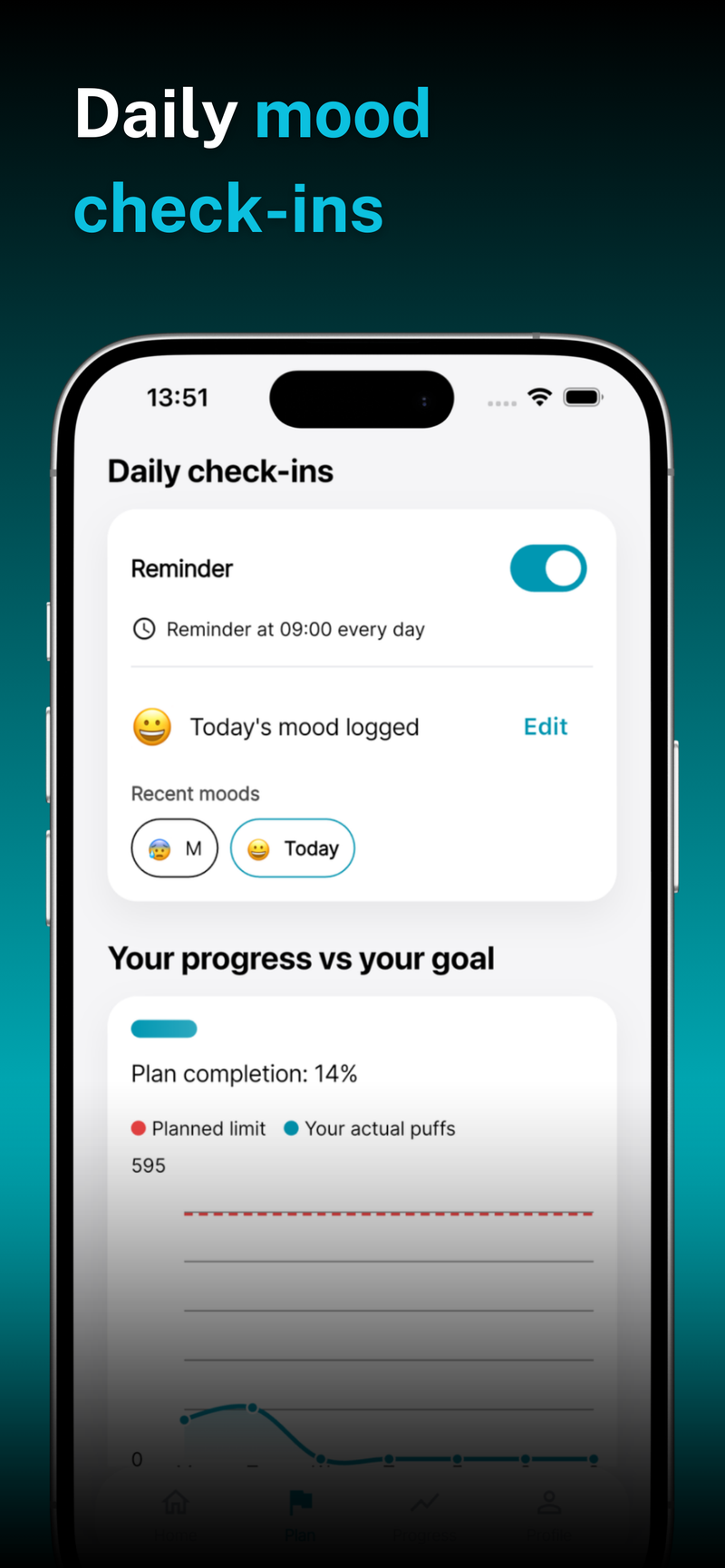
Introduction If you’ve ever tried to quit smoking or vaping, you know nicotine withdrawal isn’t just about a craving. It can feel like a physical and emotional reboot: irritability, restlessness, trouble sleeping, and sudden urges that seem to come from nowhere. The good news is that withdrawal is a sign your body is adjusting— and there are practical, proven strategies to ride the wave, reduce harm, and move toward your goal. This article shares actionable coping techniques you can start today. They don’t rely on willpower alone; they work by changing habits, planning ahead, and tapping into support when you need it most. ## Understanding withdrawal and what to expect ### What withdrawal feels like Common symptoms include: - Irritability, anxiety, and mood swings - Strong cravings and difficulty concentrating - Sleep disturbances and fatigue - Increased appetite or weight fluctuations - Headaches and restlessness - Caffeine or sugar cravings as a substitute urge ### Timeline and why it matters Withdrawal symptoms typically begin within a few hours after your last nicotine dose and peak within the first week. Cravings often reach their highest intensity in the first 3–7 days and can linger for 2–4 weeks, gradually easing over time. Understanding this pattern helps you plan ahead rather than react in the moment. Research consistently shows that preparing with behavioral strategies and support improves your odds of staying quit or reducing intake. The more you anticipate triggers and practice coping moves, the less power cravings have over you. ## Practical coping strategies that actually work ### 1) Build a quick plan around triggers - Identify your top triggers (times of day, places, activities, or people). - Create a simple 7 day plan with one or two specific replacements for each trigger. - Keep a cravings diary for at least a week to spot patterns and adjust. ### 2) Use the 5–10 minute delay technique When a craving hits, tell yourself you’ll wait 5–10 minutes before acting. During the delay, do something else that engages your senses or body: a brisk walk, a glass of water, a few stretches, or a quick phone call with a supportive friend. Most cravings fade with time. ### 3) Build a craving toolbox and habits that replace smoking or vaping - Hydration: water or non caffeinated drinks help with oral fixation. - Sugar-free gum or hard candies for oral needs (if appropriate for you). - Ice cubes or cold sips to satisfy the hand-to-mouth urge. - Chewing or fidget items to occupy hands. - Short activities: a quick chore, a 5-minute chore sprint, or a short workout. ### 4) Practice quick breathing and grounding moments - Box breathing: inhale 4 seconds, hold 4, exhale 4, hold 4, repeat 4 times. - 5-4-3-2-1 grounding: name five things you see, four you hear, three you feel, two you smell, one you taste. ### 5) Prioritize sleep, hydration, and steady meals Sleep disruption can intensify cravings. Aim for regular bedtimes, limit screen time before bed, and create a calming pre-sleep routine. Hydration and balanced meals keep energy stable and reduce the likelihood of using nicotine as a quick fix. ### 6) Consider nicotine replacement or other options with a clinician Nicotine replacement therapy (gum, lozenges, patches, nasal spray, etc.) or other medications can help reduce withdrawal intensity. Talk with a healthcare professional to choose an option that fits your needs and medical history. ### 7) Lean on routines and social support Tell trusted friends or family about your quit or reduction plan. Share your triggers and what helps you stay on track. Supportive accountability makes a meaningful difference. ### 8) Create a reward system for milestones Small rewards reinforce progress: a movie night, a new book, or a small treat after a smoke-free week. Tie rewards to clear milestones to maintain motivation. ## Coping in specific situations - Morning routines: replace the first cigarette or vape with a glass of water and a 5-minute walk. - Breaks at work: step outside for fresh air, or do a quick stretch routine instead of stepping outside with a cigarette or vape handoff. - Social events and alcohol: plan nonalcoholic drinks and have an exit strategy if cues become strong. - After meals: chew gum, brush teeth, or take a short walk to break the habit loop. If cravings feel overwhelming or you’re worried about relapse, pause, assess what just happened, revisit your plan, and reach out to someone you trust for support. You don’t have to do this alone. ## Building lasting support and accountability - Keep a regular check-in with someone you trust—daily or every few days. - Join a nonjudgmental support group or online forum for shared strategies and encouragement. - Track progress not just in days quit, but in how you felt week to week: mood, sleep, energy, and appetite changes. - Use reflective journaling to note what worked and what didn’t, so you can adapt quickly. Studies suggest that combining behavioral strategies with supportive relationships improves quit success. A flexible plan that respects your pace and preferences tends to be the most sustainable path forward. ## Conclusion: a practical path forward Quitting or cutting back is a process, not a single act. By anticipating withdrawal symptoms, building a robust toolbox of coping strategies, and leaning on steady support, you can reduce the immediacy of cravings and maintain progress over time. If you’re starting your quit journey, consider a guided onboarding approach that helps you tailor a plan to your habit, your goal, and your timeline. Quit Smoking & Vaping can help with this through focused onboarding and personal setup designed to match your product type, your main goal, and your daily routines. For example, you can: - Go through an onboarding flow that introduces a friendly, supportive path to change - Create a personalized quit or reduction plan with a clear target timeline - Specify your product type (cigarettes or vapes) an



Daily MotivationProgress TrackingHealth MilestonesMoney Saved
💪 Onboarding & Personal Setup