MAIN CONTENT
1) Start with a clear goal
Decide your primary aim: quit completely or reduce to a comfortable level while you build momentum.Set a realistic start date and a defined 30-day window. A concrete date creates accountability.Choose what you’re quitting: cigarettes, vaping, or both. Clarity helps you tailor strategies.Write down a personal why: health, money saved, time, loved ones. Refer back to it when Cravings strike.2) Build a 30-day calendar (structure matters)
List daily actions that are small but meaningful. Examples: drink a glass of water before a craving, complete a 5-minute breathing exercise, step outside for a 10-minute walk.Remove obvious triggers: store-bought packs, vape devices, or social cues that nudge you toward nicotine.Plan weekly milestones and review points. For example, week one focuses on removal of cues; week two adds coping skills; week three strengthens routines; week four solidifies maintenance.Track money and time saved each day to visualize tangible benefits.3) Week-by-week blueprint
Week 1 – Lay the foundation
Set your quit date and remove all nicotine products from your space.Create a 1-hour “craving plan” for high-risk times (morning coffee, after meals, social events).Replace each nicotine moment with a healthier alternative (water, tea, sugar-free gum, a quick stretch).Begin a simple activity log: mood, cravings, and what helped.Week 2 – Build coping skills
Introduce a regular exercise routine (20–30 minutes most days) to reduce withdrawal intensity.Practice urge-surfing: notice the craving, ride it for a few minutes, and let it pass without acting.Strengthen sleep hygiene: consistent bedtime, screen-free wind-down, cool room.Explore mild substitutes if needed under guidance (e.g., nicotine replacement therapy discussions with a clinician).Week 3 – Tighten routines & social plans
Map high-risk social situations and prepare scripts to decline nicotine offers.Add a daily stress-reduction habit (deep breathing, mindfulness, or progressive muscle relaxation).Increase daily nutrition focus: balanced meals to stabilize energy and mood.Record successes and setbacks to identify patterns and adjust.Week 4 – Prepare for maintenance
Plan for post-30 days: what will you do when cravings spike? who will you call?Reduce reliance on any substitutes gradually if you’ve started using them.Celebrate small wins and reinforce your “why” to sustain momentum.Set up a simple maintenance plan: ongoing triggers, coping strategies, and a weekly check-in.4) Craving management: practical techniques
Delay technique: wait 5–10 minutes before giving in; cravings often fade.Hydration and small snacks: water, herbal tea, crunchy veggies.Distraction: a quick walk, a puzzle, a phone call with a friend.Physical grounding: splash cold water on your face, hold an ice cube, or breathe slowly (4-7-8 pattern).Mouth substitutes: sugar-free gum or mints; sipping cold beverages.Mindful moments: acknowledge the urge, label it, then let it pass.If you’re using nicotine replacement, follow medical guidance and track how it affects urges.5) Habits, routines, and the daily tracker
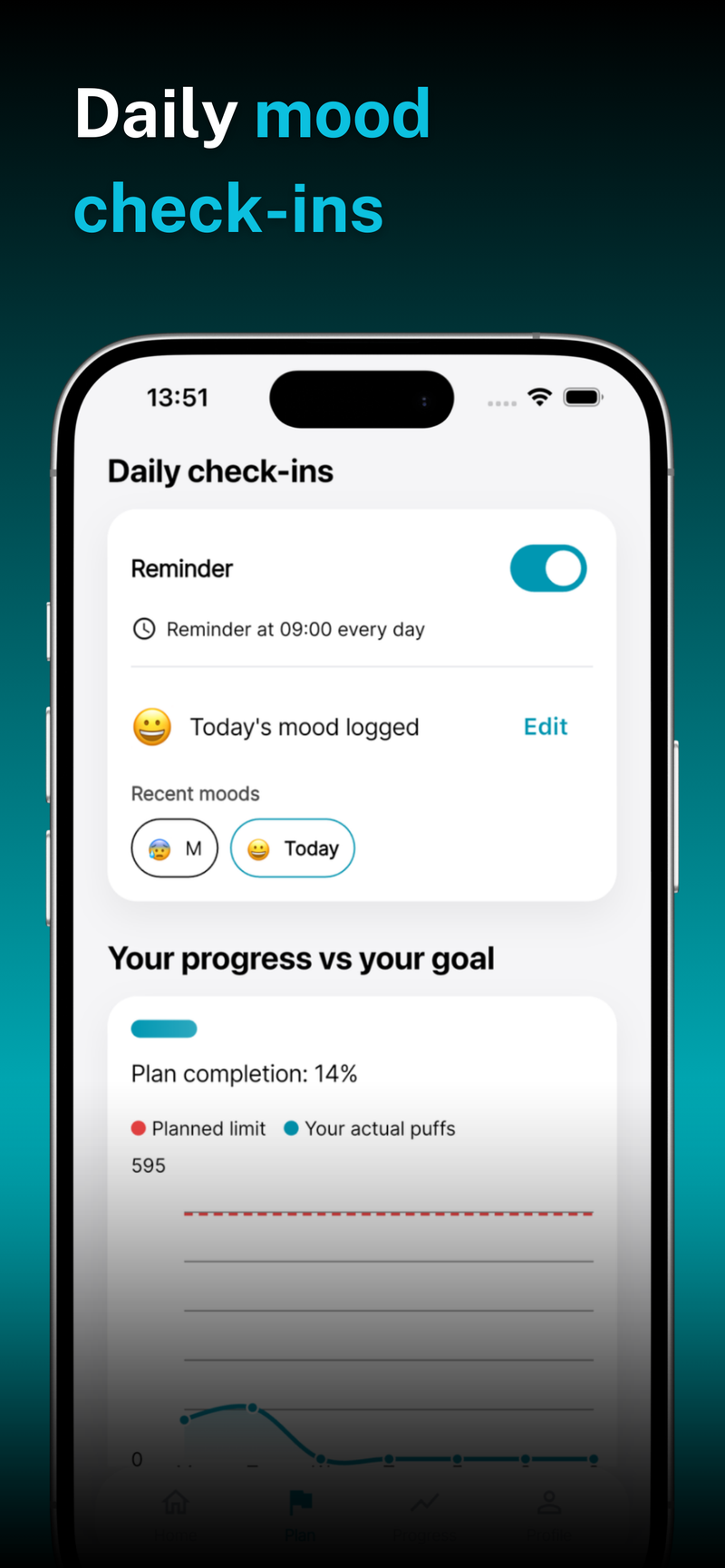
Create a simple morning routine that doesn’t cue nicotine (e.g., glass of water, short walk, healthy breakfast).Build a post-meal ritual that replaces the old nicotine routine (short walk, tea, or a quick stretch).Use a one-page daily tracker: mood, cravings, what helped, and progress toward your goal.Sleep, exercise, and social connection all support fewer cravings. Prioritize consistency over intensity.6) Support and accountability
Tell a trusted friend or family member about your plan and check in weekly.Consider a support group or counselor if cravings feel overwhelming.Journaling helps: write down triggers, responses, and what you’ll do differently next time.7) Handling slips and staying motivated
A slip is not failure. Analyze what tripped you up: time of day, stress, social pressure, caffeine, etc.Revisit your plan and adjust the next 24–48 hours: re-prioritize coping strategies and remove the trigger.Reset your start date if needed, but keep the momentum intact.8) A note on evidence-based approaches
Nicotine Replacement Therapy (NRT), counseling, and certain medications can improve quit success. Consult a clinician to choose what’s appropriate for you.Combine behavioral strategies with pharmacological support when possible for best results.9) Quick-start 30-day plan outline (summary)
Week 1: Remove nicotine, map triggers, establish a craving plan.Week 2: Add exercise, sleep discipline, and stress-reduction habits.Week 3: Strengthen routines, plan social strategies, monitor cravings.Week 4: Create a maintenance plan and celebrate progress.10) What to track daily
Cravings (intensity and duration)Time since last nicotine useTriggers and responsesMood and energy levelsMoney saved and time gainedOne positive win each dayConclusion
Quitting nicotine is often less about willpower and more about having a solid, adaptable plan you can follow day by day. By defining your goal, scheduling concrete actions, and building supportive habits, you create a pathway that reduces cravings and builds lasting change. If you’d like a guided onboarding experience that asks about your habits, sets a realistic timeline, and builds a personalized plan, consider a program featuring Onboarding & Personal Setup. This kind of structured support can help you stay the course and adjust as you learn what works for you. Quit Smoking & Vaping can help with this, offering practical steps and a tailored approach to your quit journey.