Introduction
Cravings arrive like clockwork—after a meal, during stress, or when you’re around others who smoke or vape. The problem isn’t willpower alone; it’s not having a plan that defends you when urges hit. A thoughtful craving-defense plan gives you concrete actions to take in the moment, plus a clear path to your bigger goal.
Unlike quick-fix promises, this plan helps you understand your triggers, stock a reliable toolkit, and practice small, repeatable habits you can keep for weeks. It’s about building skills you can use every day, not just when you feel strong. Let’s start with the basics and layer in practical steps you can implement this week.
Main Content
Understand your cravings and triggers
Cravings aren’t random; they’re patterns tied to time, mood, and environment. Mapping them helps you interrupt the cycle.
Keep a simple trigger diary for 1 week: note the time, where you are, what you’re feeling, and whether you just had a cigarette or puff. Identify your top triggers. Common ones include morning coffee, after meals, social gatherings, stress, and alcohol. Recognize the craving arc: how it starts, when it peaks, and when it fades.Build a craving-defense toolkit
A ready-made toolkit reduces friction when cravings strike.
Short, evidence-based techniques: try box breathing (inhale 4, hold 4, exhale 4) for 60 seconds to calm the nervous system. Quick substitutes: sip water, chew sugar-free gum, or have a mint. Physical bites: 30 seconds of light movement (wall push-ups, stairs, a brisk walk) to shift focus.Grounding and sensory checks: name 5 things you can see, 4 you can touch, 3 you can hear, 2 you can smell, 1 you can taste. Wet-cold cues: splash cold water on your face or rub your wrists with cold air to interrupt the urge.Create a decision routine for cravings
A small routine around cravings makes the moment easier to navigate.
When a craving starts, commit to a 5–10 minute delay before acting. Fill the time with one of your toolkit actions (breathing, water, a quick task, calling a buddy).Ask yourself two questions: Am I hungry, or am I craving? Could I postpone this until I’ve completed a small milestone? Most urges pass within minutes.Use a reminder card or note in your phone: “You chose to quit/reduce today. Take a breath, drink water, and move.”Plan for substitutes and micro-activities
Small, low-friction actions beat big, hard-to-do changes every time.
Hydration: a cold glass of water or herbal tea can curb cravings. Oral substitutes: peppermint or cinnamon gum, hard candies (sugar-free). Snack mindfully: a handful of nuts or fruit when a craving hits rather than reaching for a cigarette or vape. Distraction by design: a 5-minute puzzle, a quick chore, or a social check-in with someone supportive.Anticipate high-risk moments
Some situations make quitting or reducing especially difficult.
Social events: arrange a non-smoking plan in advance, alternate drinks, and have a buddy you can text if you feel tempted.Alcohol and nicotine: alcohol can lower resolve; plan to limit or avoid it initially, or pair it with a non-smoking activity.New routines: new jobs or commutes can reset urges; adjust your toolkit for these moments.Sleep, stress, and energy management
Cravings intensify when you’re tired or stressed.
Prioritize consistent sleep (7–9 hours) and regular meals to keep mood and energy steadier.Short stress-relief practice: 2–3 minutes of diaphragmatic breathing, a 5-minute walk, or a quick stretch during busy days.Build a reliable daily rhythm: wake, meals, exercise, wind-down, and bedtime should be as predictable as possible.Track progress and adjust
A plan works best when it’s tuned to your life.
Maintain a simple log: date, triggers, what you did, and whether the craving was resisted or acted on.Review weekly: look for patterns, celebrate small wins, and adjust your toolkit accordingly.Set micro-goals: rather than an all-or-nothing target, aim for gradual reductions or consistent days with no smoking/vaping over a rolling 14-day window.A practical week-by-week rhythm
Week 1: map triggers, assemble your toolkit, and practice the 5–10 minute delay technique daily.Week 2: test substitutions in known trigger moments; reduce automatic vaping or smoking by one occasion per day.Week 3: solidify routines, increase support contacts, and work on sleep/stress routines.Week 4: evaluate progress, adjust targets, and prepare for longer-term milestones.Conclusion
Quitting or reducing smoking or vaping is a process, not a single act. The most helpful approach is to build a craving-defense routine you can rely on in real life—one that fits your schedule, your triggers, and your goals. With a practical toolkit, a clear plan for high-risk moments, and a steady track record, you’ll boost your odds of sticking to your aim day by day.
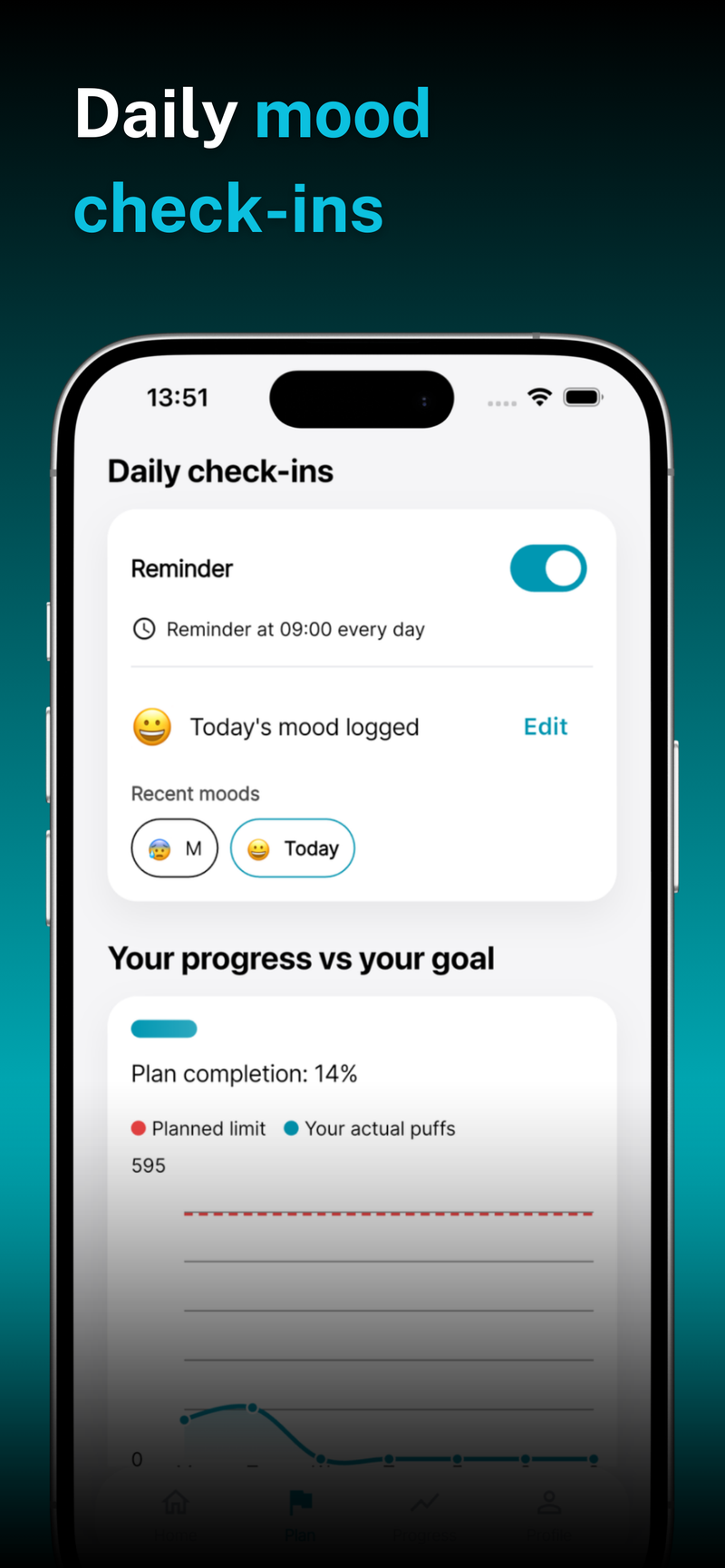
If you’d like support turning this framework into a personalized plan, there are tools designed to guide you through onboarding and personal setup, helping you tailor the steps to your daily life. A structured start can make the difference between a plan you read and a plan you live. Quit Smoking & Vaping can help with this by offering an onboarding and personal setup flow that helps you tailor your quit or reduction journey to your habits and timeline.