
Craving Spike: A Practical 5-Second Rescue Plan for Quitting
Craving spikes can derail quit attempts, but a simple five-second rescue plan helps you pause, redirect, and ride out urges. Learn practical steps, quick grounding techniques, and daily tactics to reduce triggers and build resilience.
Introduction
Craving spikes feel like sudden weather fronts—blinding for a moment, then gone. If you're quitting smoking or vaping, you know the urge can arrive without warning, especially around stress, after meals, or in social situations. The good news: cravings are typically brief, and with the right micro-actions you can ride them out without giving in. Understanding why they happen and having a simple plan can transform those moments from chaos into a manageable beat in your day.
Understanding cravings and the habit loop
Cravings are both brain chemistry and habit. Your brain links cues to a reward, creating a loop: cue → craving → action → reward. When you remove nicotine, the loop tightens around the cue, making the urge feel urgent. Cravings peak quickly and usually fade within a few minutes. Some sources suggest that most intense urges last 3-5 minutes, with a few longer episodes sprinkled through the day. The key is to shorten the window of action and fill it with a deliberate choice rather than a reflex.
Triggers to watch for
A quick frame you can rely on
The 5-second rescue plan
The idea is simple: interrupt the automatic sequence in the first few seconds when a craving hits, then follow with a tiny, constructive action. You can train this to take five seconds or less, but the focus is choosing one disruptive action you can trust in the moment.
Step 1: Pause and label (the five-second rule)
As soon as you notice the urge, pause and name it: “I have a craving for nicotine.” This tiny statement buys you a moment of space and reduces impulsive behavior.
Step 2: Choose one micro-distraction
Select a single, immediate action you can start now. Examples:
Step 3: Ground your senses
Shift your attention away from the urge with a quick grounding exercise:
Step 4: Replace the urge with movement or a breath pattern
Step 5: Decide and delay if needed
If the craving remains, delay another few minutes and repeat the plan. The goal is to add a small barrier before you act. Most people find that a few short cycles are enough to pass the peak of the urge.
Quick-start tips you can use today
Build resilience day by day
Conclusion
Craving spikes are a normal part of quitting, but they don’t have to derail your progress. By understanding the craving as a short-lived signal and applying a 5-second rescue plan, you create a reliable way to interrupt old habits and choose a healthier action in the moment. Pair the daily strategies with a system that helps you personalize your approach, and you’ll be better equipped to quit or reduce over time.
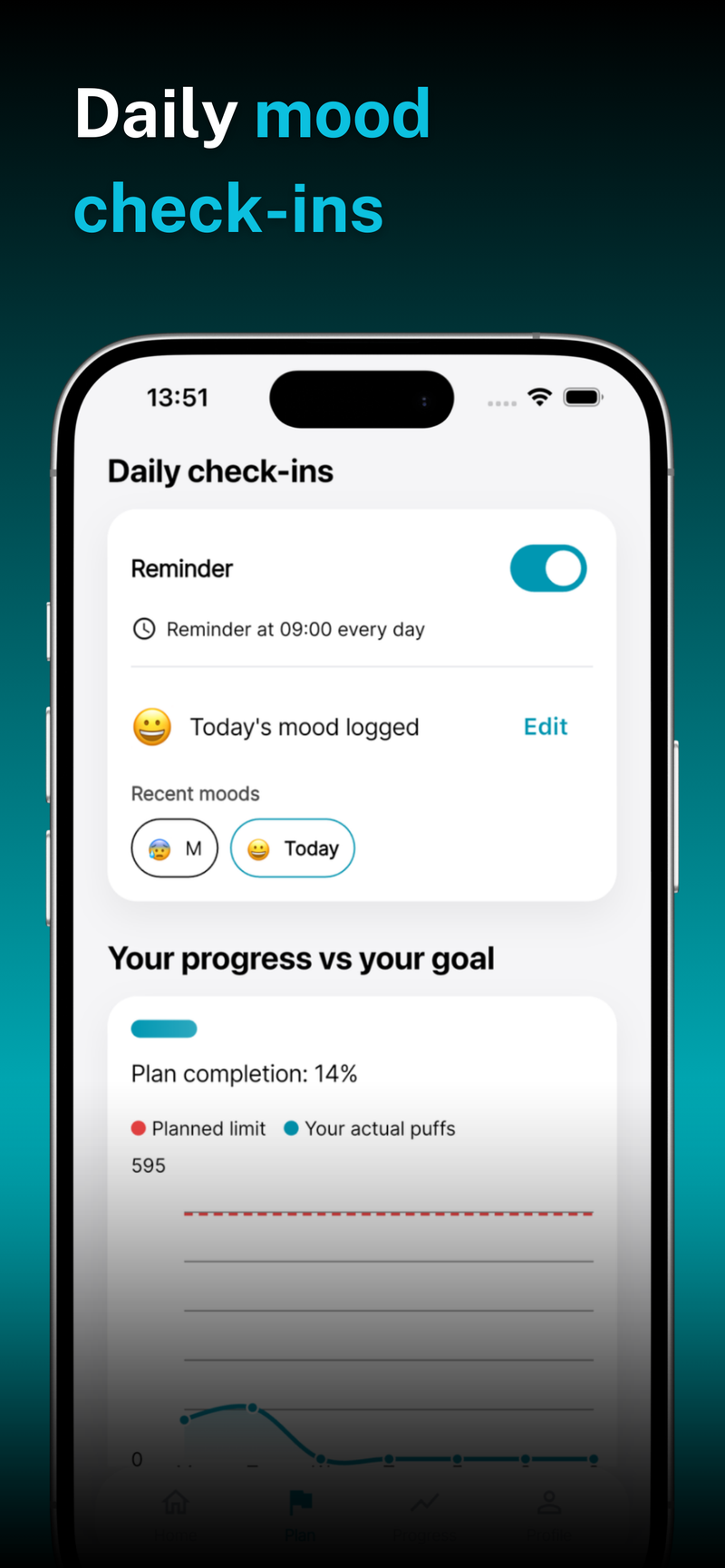
If you’re looking for a guided way to tailor these ideas to your routine, Quit Smoking & Vaping can help with onboarding and personal setup to create a customized quit or reduction plan that fits your goals, leveraging Fokus Puff’s onboarding and personal setup features. This supports you in turning the five-second plan into a sustainable habit.



💪 Onboarding & Personal Setup