
Cravings Hit? A Quick Coping Toolkit for Quitting Now
Cravings from smoking or vaping can feel overwhelming in the moment, but they’re usually brief. This guide offers practical steps—pause, delay, replace, and move—to shorten urges and protect your progress on the quit journey.
Cravings Hit? A Quick Coping Toolkit for Quitting Now
Quitting smoking or vaping is a powerful decision. Along the way, cravings will happen—often suddenly and with surprising intensity. The good news is that cravings are usually brief and manageable if you have a simple plan. This guide offers practical, actionable steps you can start using today to shorten cravings and protect your progress.
Understanding cravings and why they happen
Cravings aren’t just a physical urge; they’re a learned habit. Cues like a morning coffee, stress, a social event, or a break at work can trigger a familiar routine. Your brain remembers the reward—nicotine—and asks for it again. This is why cravings often come in waves and fade after a few minutes if you don’t act on them.
Recognizing craving patterns helps you respond, not react. If you notice cravings spike in certain situations, you can pre-emptively swap the routine: opt for a quick walk after lunch, sip water during a coffee break, or keep a stress-relief habit ready to go.
A quick coping toolkit you can use today
Try these steps in sequence, or mix and match as needed. The aim is to create a brief pause, disrupt the habitual cue, and replace the old routine with something healthier.
1) Pause and breathe (box breathing)
2) Delay the urge (the 5-minute rule)
3) Mouth and hand rituals
4) Move your body (even a little counts)
5) Hydration and smart snacking
6) Mindfulness and reframing
7) Change your environment and routine
8) Reach out when you need support
9) Sleep, energy, and mood balance
10) Track patterns and celebrate progress
Real-world scenarios and quick action plans
If cravings feel persistent: when to seek extra help
If cravings intensify or you notice a pattern of relapse despite using coping steps, consider additional support. A structured quit plan that combines behavioral strategies with accountability can make a big difference. Craving management is a skill—and like any skill, it improves with deliberate practice and consistent use.
Conclusion: sustaining progress over time
Cravings are a normal part of the quitting journey, but they don’t have to derail your goals. By pausing, delaying, and replacing old habits with healthier routines, you can shorten the intensity and duration of each urge. With practice, your responses become quicker, and the cravings lose their grip.
If you’re looking for help building a plan that fits your life, and you want onboarding and personal setup to tailor your quit journey, support is available that focuses on personalized guidance and steady progress. A structured approach can provide clarity, accountability, and motivation as you move toward your goal.


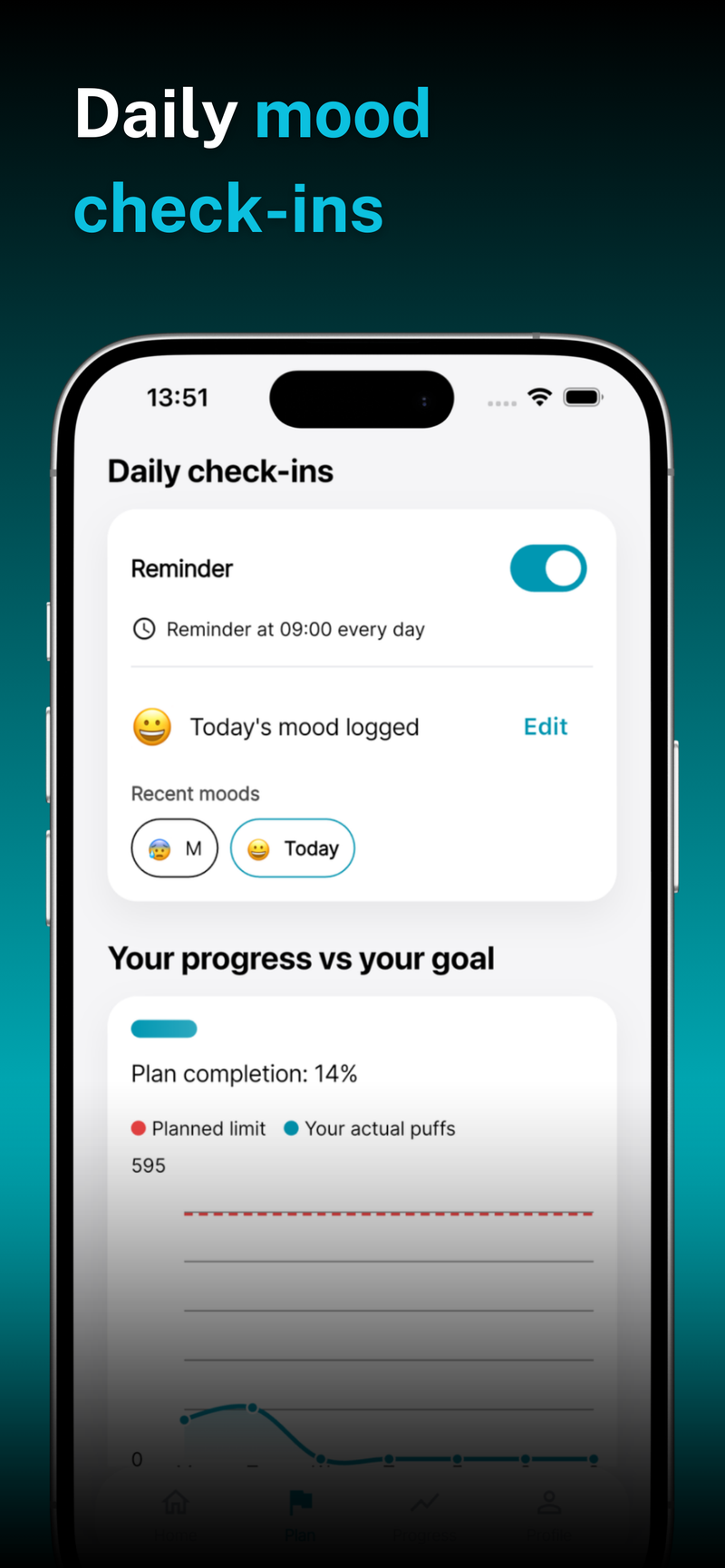

💪 Onboarding & Personal Setup