
·Health
Cravings Management Blueprint That Sticks
Cravings don’t have to derail your quit journey. Learn how to map triggers, build a practical toolkit, and design a personalized, sustainable plan. This guide offers actionable steps to create a cravings-management blueprint that sticks, with a gentle nod to onboarding support at the end.
smoking cessationvaping cessationcravingshabitswellbeing
Cravings Management Blueprint That Sticks If you’ve tried to quit smoking or vaping, you know cravings can feel overwhelming. They often hit at the most inconvenient moments—at work, after meals, during stress, or when you’re with certain friends. A cravings-management blueprint gives you a practical map, not a pep talk. It helps you understand triggers, build a toolkit, and act with intention long enough for new habits to take root. This article lays out a proven approach you can adapt to your life. It emphasizes actionable steps, small wins, and a plan you can actually follow day by day. Read these ideas as a trusted guide—one that treats cravings as signals to respond thoughtfully, not as a reason to give up. ## Understanding cravings and why a plan beats willpower Cravings are both physical and psychological. They surge when the brain associates smoking or vaping with relief, reward, or social connection. Cravings typically rise, peak, and fade—often within minutes if you don’t feed them. The key is to shorten their duration and reduce their power over your choices. - Urge surfing: ride the wave without acting on it. You’ll notice that the intensity often decreases after a few minutes. - Small, intentional actions beat sheer resistance. A quick walk, a glass of water, or a reset breath can reset the craving cycle. - A clear plan reduces decision fatigue. When you know what to do in the moment, you’re more likely to choose a healthier option. Statistically, most quit attempts require multiple tries. On average, people try 8–11 times before achieving lasting abstinence. The good news: each attempt builds skills, resilience, and confidence that carry into future efforts. ## Step 1 — Map your craving landscape Before you can change your behavior, you need a clear map of when and why cravings show up. ### How to map confidently - Keep a simple craving log for 7 days. For each craving, note: - Time of day - Trigger (emotion, situation, person,場所) - Intensity on a 1–10 scale - Your initial impulse (what you felt like doing) - What you actually did instead - Outcome (short-term relief, longer frustration, etc.) - Look for patterns. Are cravings strongest after meals? in the evenings? around certain people? - Identify quick wins from pattern insights. If you crave after meals, a 5-minute walk or tea may interrupt the cue ## Step 2 — Build your craving toolkit A toolkit is a small set of reliable moves you can deploy in the moment. ### Practical strategies (pick 3–5 you’ll actually use) 1) Delay with a 2-minute rule: tell yourself you’ll wait 2 minutes. Most cravings peak and pass during this window. 2) Hydrate and snack smartly: a glass of water and a healthy bite can curb the urge. 3) Box breathing or quick mindfulness (4-4-4-4): inhale 4, hold 4, exhale 4, hold 4, repeat 4 times. 4) Move your body: a brisk 5-minute walk, stairs, or a short stretch routine. 5) Distraction with a task: call a friend, start a quick chore, or tackle a micro-task. 6) Change the environment: step out, avoid lingering around smoking cues, or remove tempting items from eye level. 7) Substitutes: sugar-free gum, mints, or a flavored lozenge can satisfy oral fixation without recreating the habit. 8) Social support: text or message someone when the craving hits; accountability matters. ### Real-world example If you notice strong cravings after lunch with coworkers who smoke, plan a pre-commitment: step outside for a 5-minute walk instead of stepping outside to smoke, then rejoin the group with a beverage or a quick task lined up. ## Step 3 — Choose a clear goal and timeline Your blueprint needs a clearly defined aim. - Options: - Monitor & reduce: you track and gradually cut down over weeks or months. - Quit completely: set a quit date and work backward on your plan. - Set a realistic timeline: - For reduction: pick a target to reduce by a fixed amount per week (e.g., 20% fewer puffs or cigarettes). - For quitting: choose a quit date within 2–6 weeks, giving you time to prepare your toolkit and environment. - Create micro-goals: - Week 1: map triggers and assemble your toolkit. - Week 2: implement 3 core strategies daily. - Week 3: test adjustments and increase distractions during peak craving times. ## Step 4 — Design your daily routine and environment A steady routine reduces unpredictability, making cravings easier to manage. - Build cue-routine-reward loops that don’t involve smoking. For example, after a coffee break, replace the cigarette ritual with a 5-minute walk and a glass of water. - Prepare “reset stations” at home, work, and car with: - A water bottle, healthy snack, breathwork card, and a quick task list. - A list of people to contact or text for accountability. - Sleep and stress management matter. Poor sleep and high stress amplify cravings, so incorporate wind-down routines, regular meals, and brief daytime stress-reduction practices. ## Step 5 — Track progress and adapt Regular reflection helps you refine your blueprint. - Nightly check-in: what cravings did you face today? which strategies helped? what will you do differently tomorrow? - Monthly review: identify which tactics reduced cravings most consistently and which moments still trip you up. Adjust your toolkit accordingly. - Short, readable logs beat long diaries. A two-minute daily entry is enough to capture useful data for adaptation. ## Step 6 — Build accountability and support Biological changes are easier to manage with social support. - Share your plan with a trusted friend or family member. Regular check-ins increase accountability. - Consider a support group or a counselor who specializes in behavior change. - If you use pharmacotherapy or nicotine-replacement therapy, follow professional guidance and combine it with behavioral strategies for best results. ## Quick wins you can implement today - Map one trigger: note where, when, and what you feel before a craving. - Choose your top two toolkit tactics and commit to using them


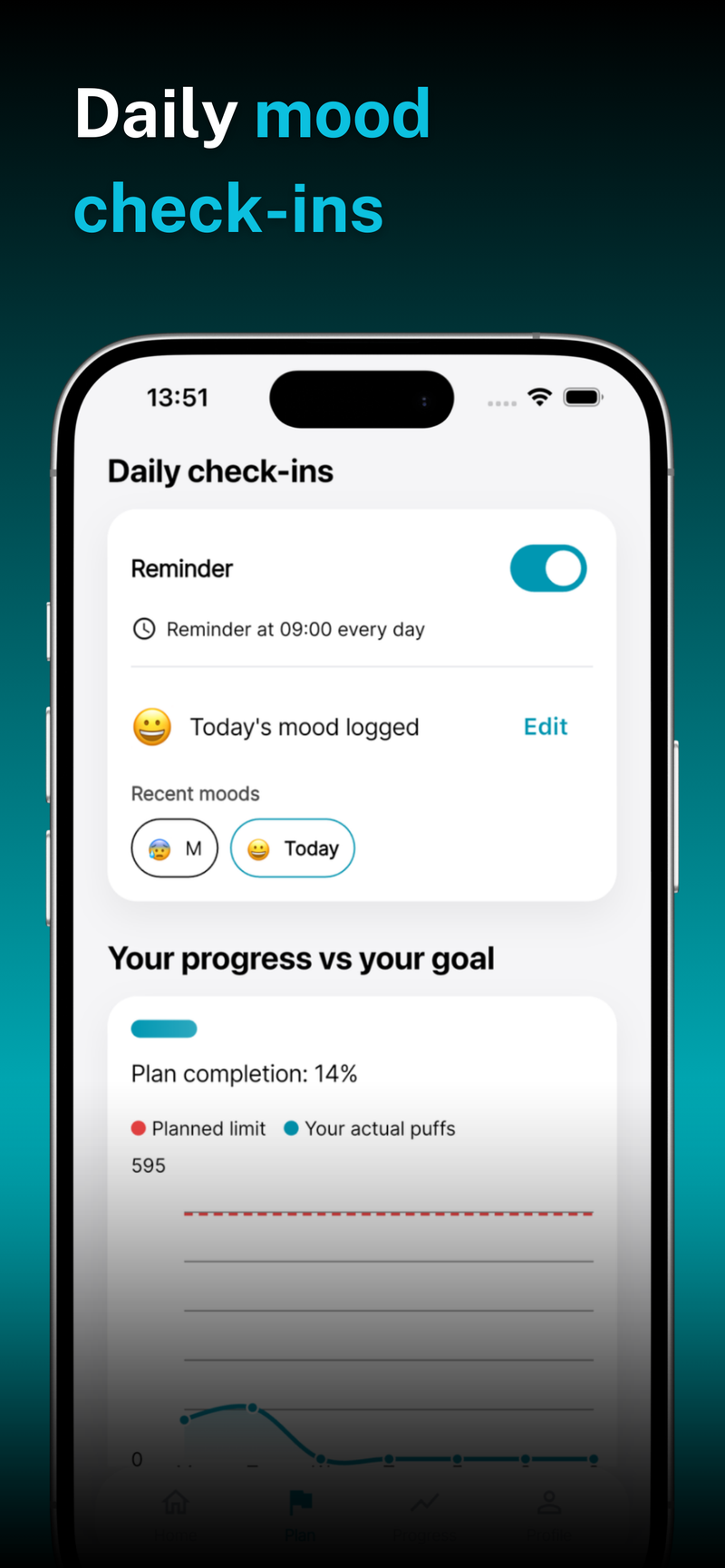

Daily MotivationProgress TrackingHealth MilestonesMoney Saved
💪 Onboarding & Personal Setup for a personalized quit plan