
·Health
Create a Daily Routine That Reduces Cravings Effectively
A practical guide to building a daily routine that reduces cravings for people quitting smoking or vaping. Learn actionable steps, coping strategies, and how to measure progress.
smoking cessationvaping cessationhabit formationcravingswellbeing
Introduction
Cravings arrive like clockwork: the moment you finish breakfast, walk past your usual smoking or vaping spot, or feel stressed after a long day. For many people trying to quit, cravings aren’t just a nuisance—they’re a signal that the day is handing you a choice. The good news: you can reduce cravings by designing a daily routine that nudges you toward healthier actions when triggers appear. A reliable routine lowers decision fatigue, distances you from cues, and builds momentum toward your goal.
Why a daily routine helps cravings
Cravings aren’t only about nicotine; they’re tied to routines and cues. Repeating certain actions at the same times creates automatic responses. When you replace those actions with constructive options, the craving’s power weakens. A predictable schedule supports better energy, mood, and self-control. Even small consistency gains compound over days and weeks, making the quitting journey feel more manageable.
Build your daily framework
Morning blueprint
Midday momentum
Evening wind‑down
Practical tactics you can start today
Craving tracking
Craving toolbox
Substitution habits
Sleep hygiene
Stress management
Environment
Social plan
Reward milestones
Environment and support
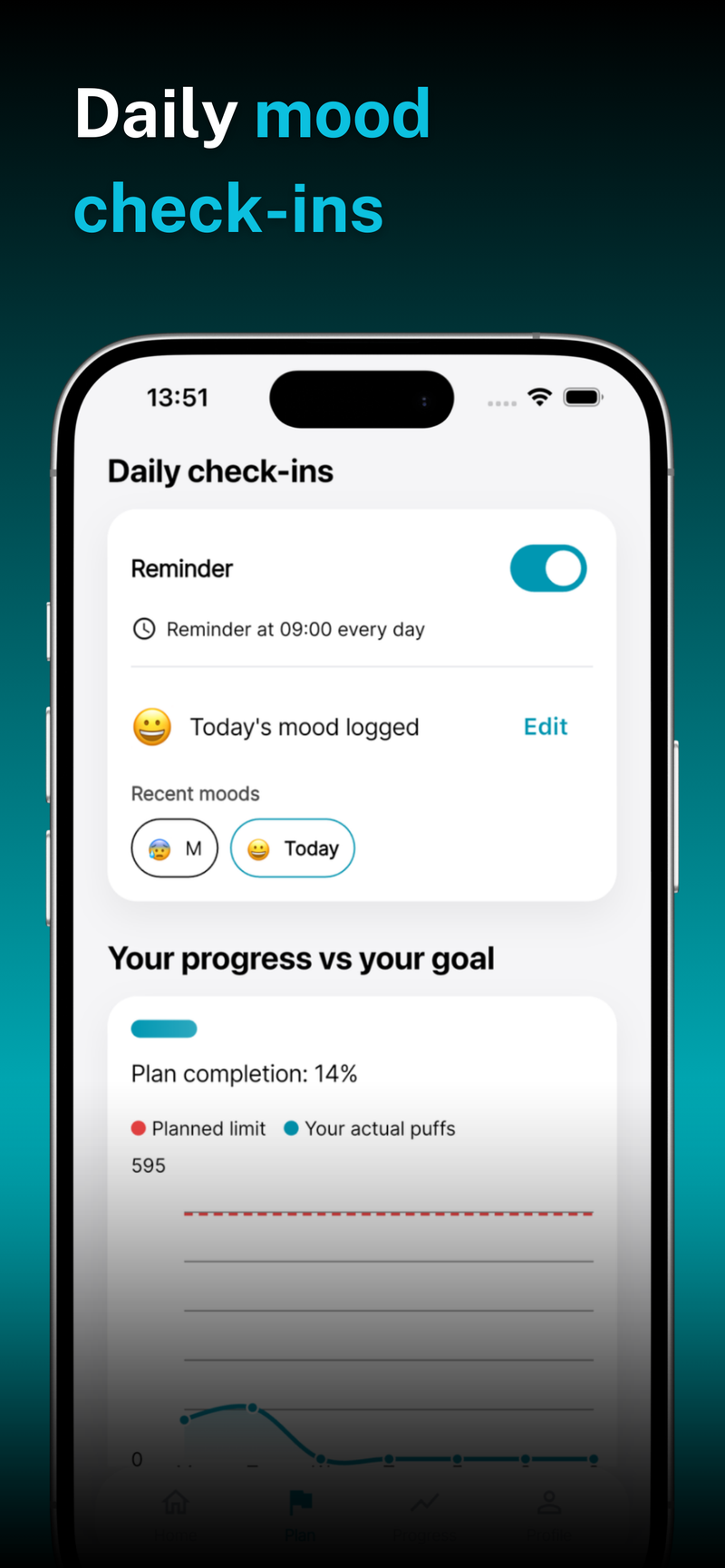
A supportive environment strengthens your routine. Share your plan with someone who can encourage you, and set up accountability mechanisms that feel helpful, not punitive. Regular check-ins, a simple progress log, and small, meaningful rewards can reinforce the daily patterns that reduce cravings.
Measuring progress
Track more than days without nicotine. Monitor craving intensity trends, mood, energy, and money saved. Seeing tangible improvements reinforces the new routine and makes it easier to sustain changes over time. Remember that progress is rarely linear, and a few tricky days don’t erase the gains you’ve made.
Conclusion
Designing a daily routine that anticipates cravings—rather than reacting to them—gives you control back. By starting with a reliable morning structure, maintaining momentum through the day, and ending with a calm evening routine, you can turn triggers into opportunities for healthier choices. Small, consistent actions compound into lasting change.
If you’re looking for guided support to tailor this approach to your life, Quit Smoking & Vaping offers onboarding and personal setup features that help you shape your plan from the start. With Fokus Puff, you can choose your product type, set your main goal, pick a target timeline, and log your daily counts and spending—so your routine stays aligned with your progress.



Daily MotivationProgress TrackingHealth MilestonesMoney Saved
💪 Onboarding & Personal Setup with Fokus Puff