
·Budgeting
Create a Family Budget That Builds Savings Over Time
Struggling to turn budgeting into real savings? This guide offers practical, family-friendly steps to track income, automate savings, and build emergency funds. Learn how to set goals, use sinking funds, and involve the whole family in a sustainable financial plan.
personal financebudgetingsavingsfamily financesfinancial planning
Introduction Has your budget ever felt like a treadmill — you work hard, yet your savings barely budge? If you’re juggling groceries, kids’ activities, and the occasional emergency, it’s easy to end the month with little to show for your efforts. The goal isn’t perfection; it’s progress. A family budget that builds savings starts with clear priorities, simple routines, and a plan you can actually stick to. Think of savings as a bill you pay to your future self. Small, steady contributions compound over time, helping you weather surprises, reduce debt, and fund bigger goals like a house, college, or a comfortable retirement. The more you automate, track, and adjust, the less you'll rely on willpower alone. ## Main Content ### Start with a clear picture: income, expenses, and goals - List every reliable source of income (after taxes) and estimate any seasonal earnings. - Track essential expenses for one month: housing, utilities, food, transportation, healthcare, and debt payments. - Set 3 goals with deadlines (short-term, 3–6 months; medium-term, 1–2 years; long-term, 5+ years). A realistic baseline helps you see gaps between current spending and your targets. If live expenses routinely exceed income, you’ll need to adjust either income or costs before focusing on savings growth. ### Use a budget structure that prioritizes saving The 50/30/20 rule is a useful starting point, but you can tilt it toward savings without starving your lifestyle: - Needs (50%): housing, food, transportation, healthcare. - Wants (20–30%): dining out, entertainment, vacations. - Savings and debt payoff (20–30%): emergency fund, retirement, debt avalanche/snowball. If your current goals are tight, start with 60/20/20 and gradually push more into savings as you gain momentum. The key is to define destinations for your money before the month begins, not at the end when leftovers are slim. ### Build sinking funds for irregular costs Irregular or infrequent expenses often derail budgets. Create sinking funds—small, dedicated savings pots for predictable but irregular costs: - Car maintenance - Home repairs - Gifts and holidays - Annual insurance premiums - Back-to-school expenses Contribute a modest monthly amount to each fund, so when the bill arrives, you already have the money set aside. This reduces the shock of big expenses and preserves your emergency fund. ### Automate savings and separate pots Automation removes the friction that derails saving: - Set up automatic transfers from your checking to a dedicated savings account on payday. - Create multiple savings accounts or labeled sub-accounts for each sinking fund and the emergency fund. - Start with a target savings rate (for example, 10–15% of take-home pay) and increase it as income grows or expenses fall. Automation also helps you avoid the temptation to spend what you don’t see. It turns savings into a recurring bill that you pay yourself before the rest of life happens. ### Tackle debt strategically to free up cash Debt can be a major drag on your ability to save. Choose a payoff strategy that fits your situation: - Snowball: pay off the smallest balance first to build momentum. - Avalanche: attack the highest-interest debt first to minimize interest costs. Even if you can’t wipe out all debts quickly, making regular extra payments to the highest-rate debt can free up more money for savings over time. ### Optimize everyday spending with smart habits Small changes add up: - Plan meals and create a weekly grocery list to reduce impulse buys. - Batch your shopping and compare unit prices. - Audit subscriptions and memberships you rarely use. - Use energy-saving habits to lower utility bills. - Wait 24 hours before non-essential purchases to curb impulse buying. Tracking categories helps you identify the biggest leaks and celebrate the wins when you cut costs without sacrificing essentials. ### Track progress with simple, meaningful metrics Keep metrics lightweight and actionable: - Savings rate: percentage of take-home pay saved each month. - Emergency fund progress: how many months of essential expenses you have covered. - Debt payoff timeline: months to payoff given current extra payments. - Net worth trend: assets minus liabilities, updated quarterly. Review these metrics briefly each month. If you’re not moving forward, adjust the budget categories, automate more, or reallocate windfalls (bonuses, tax refunds, gifts) toward savings or debt repayment. ### Involve the whole family and stay adaptable Make budgeting a family habit, not a solo task: - Have a monthly family budget review to set expectations and celebrate progress. - Involve kids with age-appropriate tasks (tracking allowances, saving for a goal). - Revisit goals after life changes (new job, relocation, school costs) and adjust contributions accordingly. A shared sense of ownership increases accountability and reduces resentment. Budgeting becomes less about restriction and more about shared goals and resilience. ### Common mistakes to avoid - Ignoring irregular expenses: forgetfulness is the enemy of a healthy sinking fund. - Underestimating savings: start with achievable goals and ramp up gradually. - Failing to review: budgets drift without oversight; set a monthly or quarterly check-in. - Overcomplicating: one clear budget with a few accounts beats a perfect-but-confusing system. Each time you check in, ask: What’s the main leaky category this month? Can I automate or reduce it by 5–10% without affecting essential needs? ## Conclusion Building a family budget that grows savings is less about heroic cuts and more about intentional structure, consistent automation, and ongoing small adjustments. Start with a realistic baseline, use sinking funds for irregular costs, automate as much as you can, and keep the family engaged in the process. Track a few clear metrics, celebrate progress, and keep life changes in mind as you refine the plan. If you’re looking for a privacy-first way to help yo
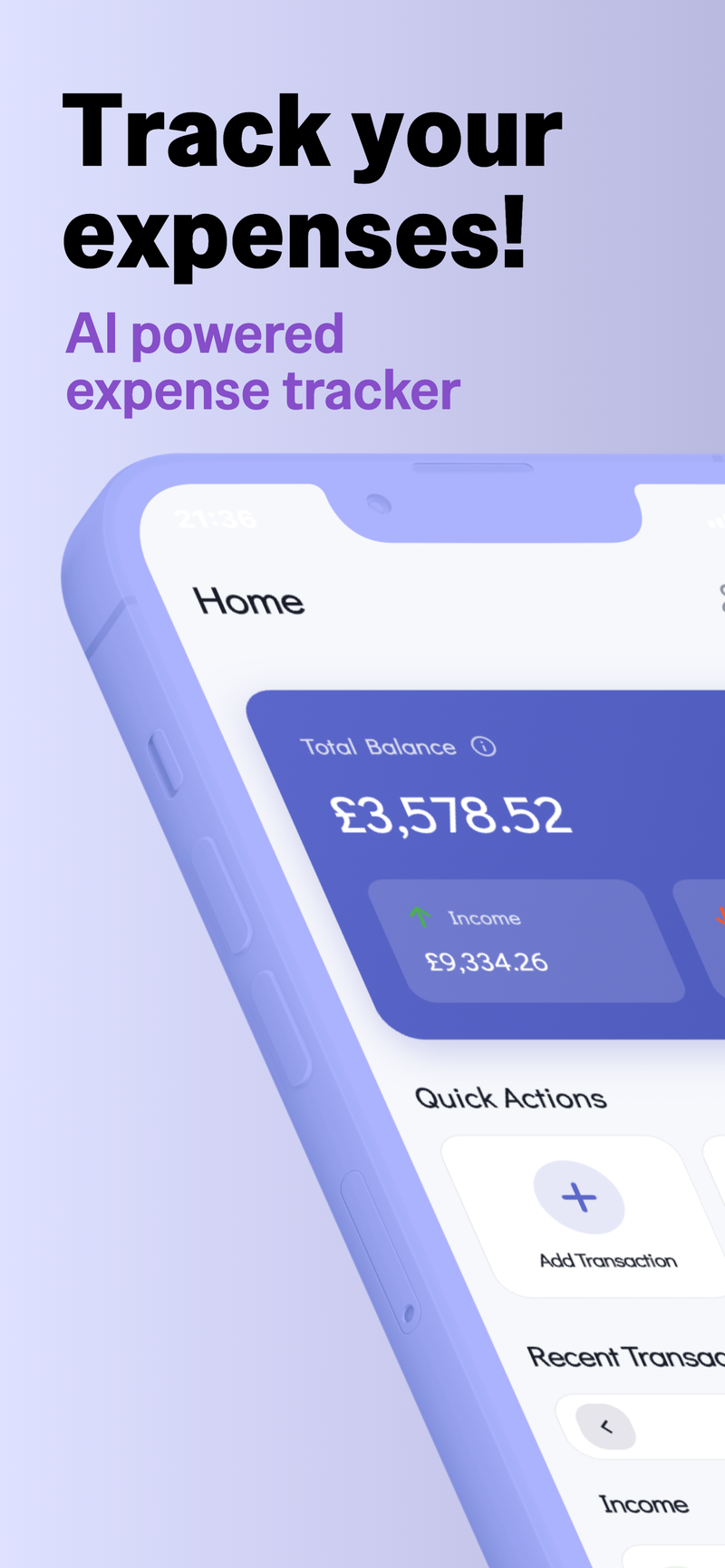
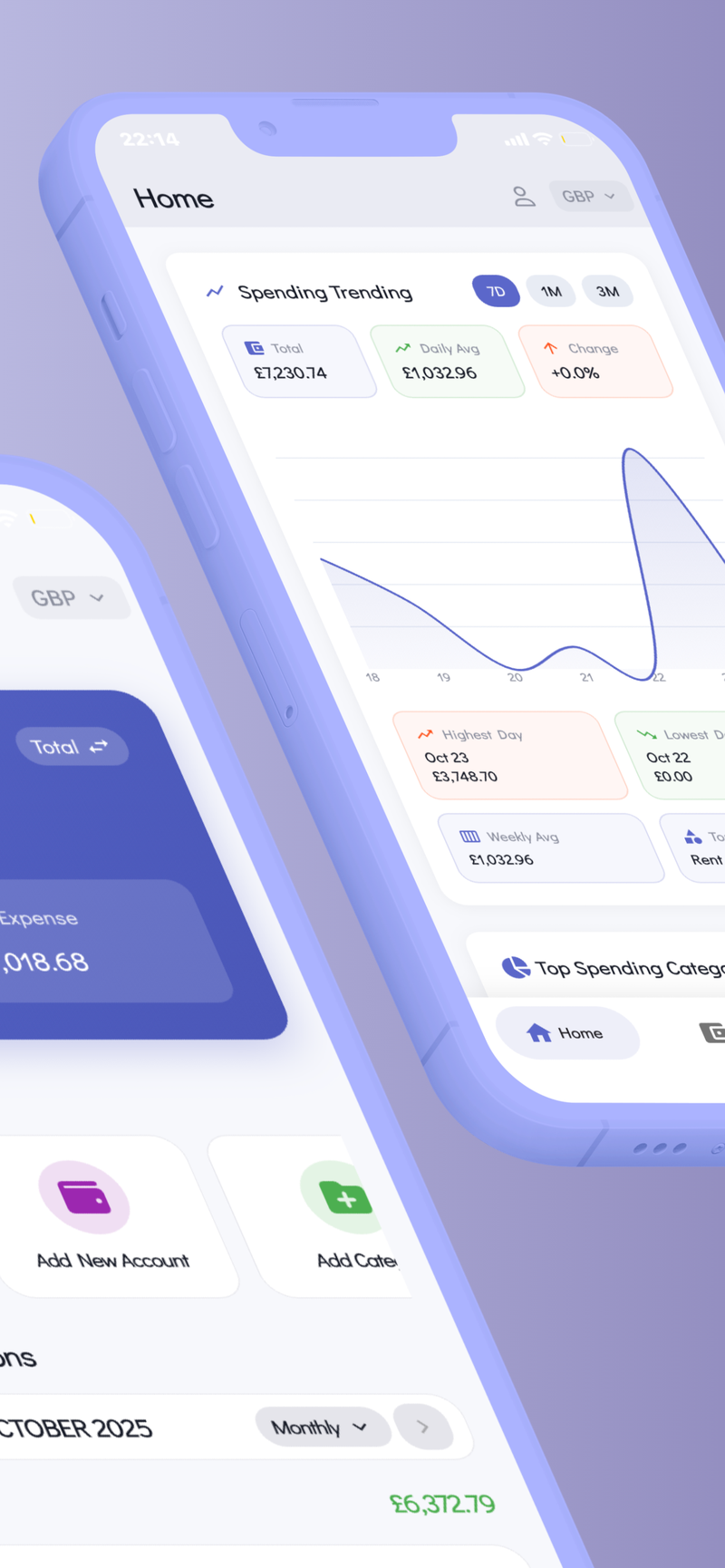
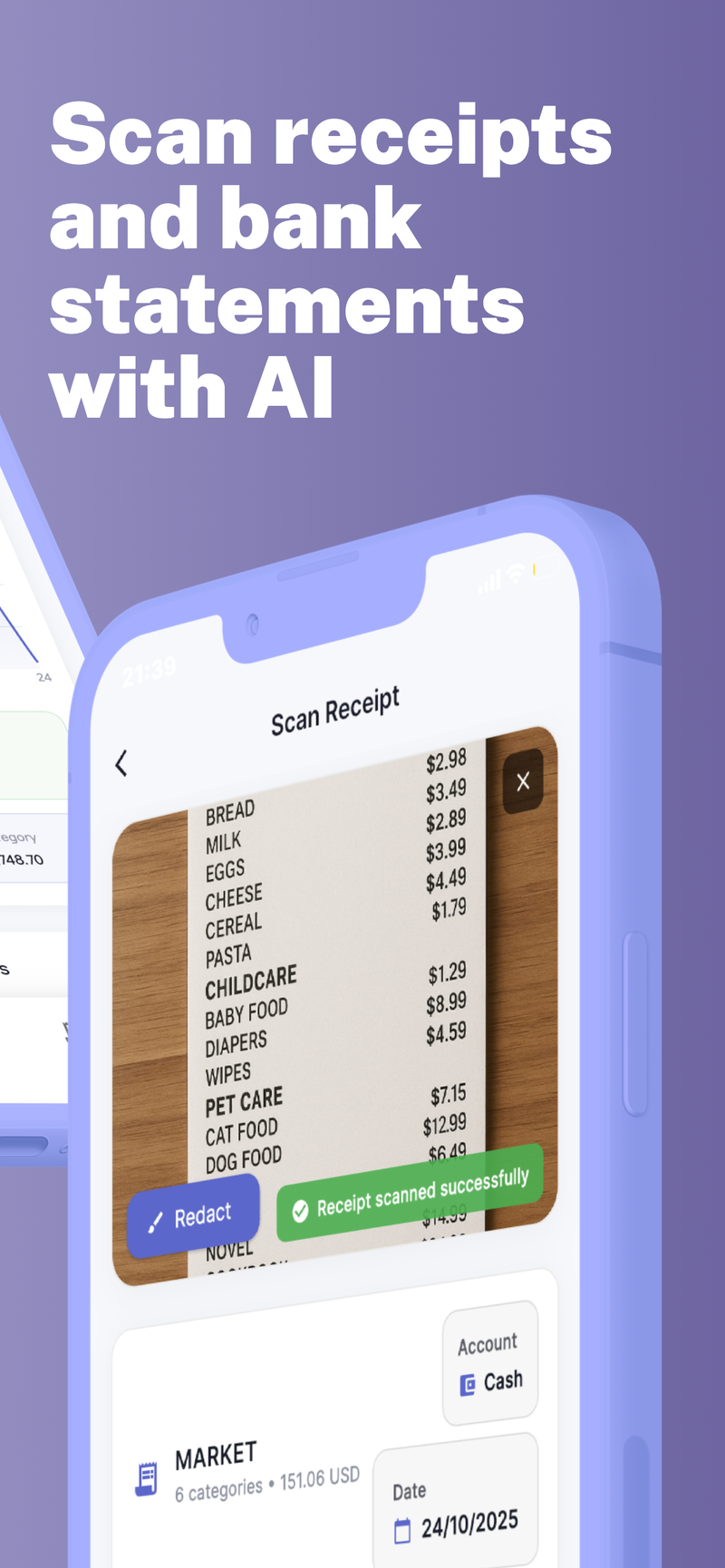
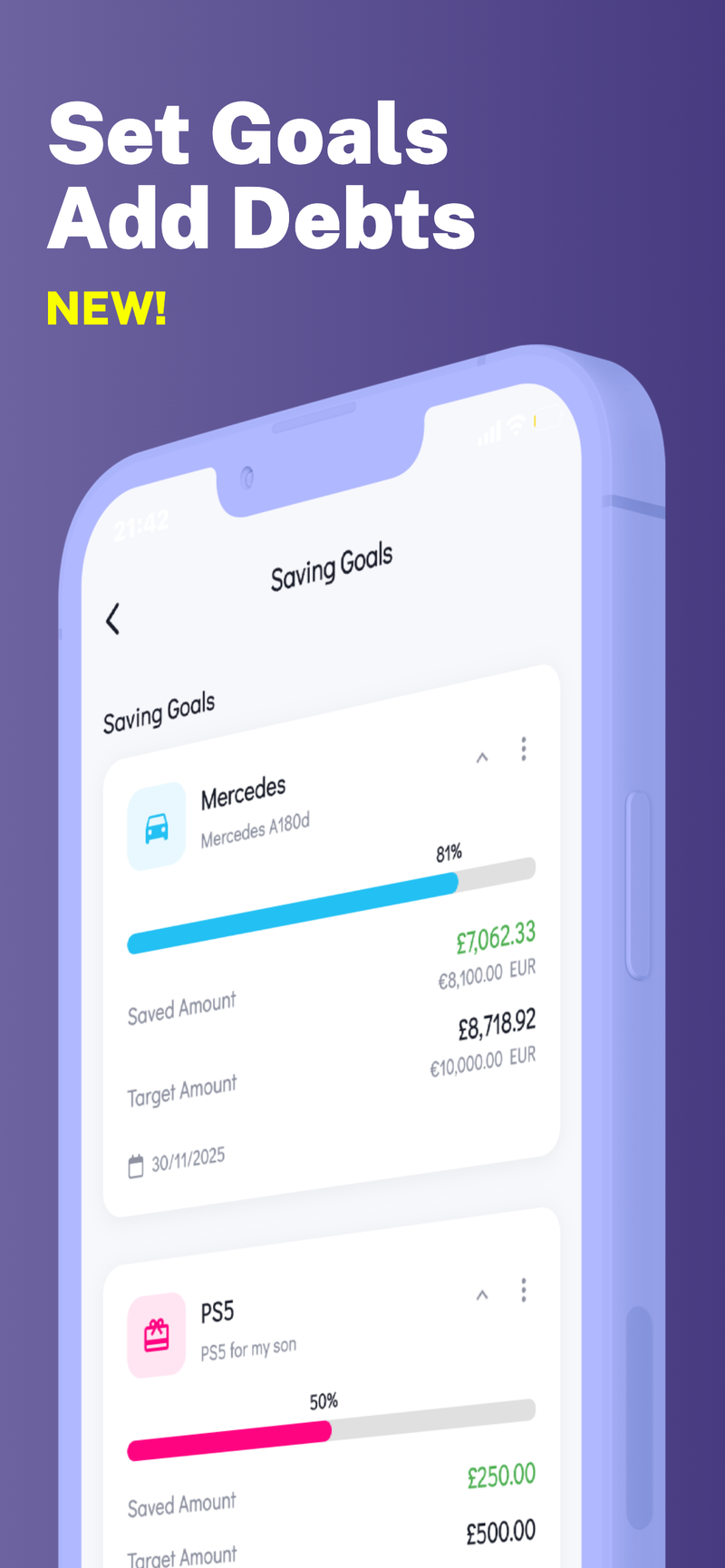

AI Receipt ScanningMulti-CurrencyBank ImportPrivacy-First
✨ Multi-profile Support