
·Health
Create a Personal Relapse-Prevention Plan That Lasts
Quitting is hard, but a personalized relapse-prevention plan makes it sustainable. Learn practical steps to identify triggers, manage cravings, and stay accountable, with room to grow as life changes.
smoking cessationvaping cessationcraving managementrelapse preventionbehavioral change
Introduction Quitting smoking or vaping is a bold decision—and the real work starts after the first few days of momentum. Without a tailored relapse-prevention plan, cravings, stress, and social pressures can nudge you back to old habits. Research suggests many quit attempts falter in the first month, but a well-structured plan can noticeably improve your odds. The goal here is practical, real-world steps you can adapt to your life, not a one-size-fits-all solution. This guide focuses on building a durable plan around your goals, your daily routine, and the moments you’re most tempted. You’ll learn how to identify triggers, manage cravings, and maintain momentum even when setbacks happen. ## Main Content ### 1) Start with a clear goal and plan scope - Decide your main objective: monitor & reduce, or quit completely. - Set a target timeline: 4–12 weeks is a common starting window, but adjust to what feels doable for you. - Establish your baseline: how many cigarettes or puffs you use daily, and how much money you spend weekly. - Define success milestones: days smoke-free, money saved, or weeks with fewer cravings. Having a concrete scope helps you measure progress and stay motivated. Write down your goals in a single page you can refer to daily. ### 2) Identify triggers and map behavior Triggers come in many forms—time of day, locations, people, emotions. Build a simple triggers map: - List top triggers (e.g., first coffee of the morning, after meals, during stress, social events). - Note where and when they occur (home, work, car, etc.). - Decide an If-Then plan for each trigger (If X happens, then Y will happen). Examples: - If I finish a meal, I’ll wait 10 minutes and call a friend or take a short walk. - If I’m stressed at work, I’ll do a 4-minute breathing exercise or a quick stretch break. - If I’m with friends who are smoking, I’ll switch to sparkling water and step outside for a breath instead of lighting up. Triggers are normal, not failures. The goal is to create actionable responses before cravings peak. ### 3) Create a craving-cracking toolkit Develop a short, repeatable set of strategies you can rely on in the moment: - Delay tactic: commit to waiting 10 minutes before acting on a craving. - Distraction: a brief activity (a quick walk, a puzzle, a few push-ups). - Hydration and nourishment: water, a small healthy snack, or gum/mints if allowed. - Physical activity: 2–5 minutes of movement can reduce craving intensity. - Deep breathing: try 4-7-8 breathing to calm nerves. - Environment tweak: remove cigarettes or vaping devices from easy reach; keep healthier substitutes handy. Pair these with a plan to seek support during strong cravings — a quick message to a friend or mentor can make a big difference. ### 4) Build replacements and routines Replace the physical habit with a routine that satisfies the same impulse: - Morning ritual: a brief walk or stretch instead of lighting up with coffee. - After meals: a brief walk, tea, or a tooth-brushing cue to reset the mouth and mind. - Commuting: switch to a podcast or music you enjoy, rather than vaping or smoking during transit. - Social moments: host non-smoking activities or simply step outside with a partner for a breath of air. New routines take time to stick, so start small and gradually expand them as you feel more confident. ### 5) Secure support and accountability Support helps you stay on track when motivation dips: - Tell a close friend or family member your plan and check in weekly. - Join a support group or online community focused on quit efforts. - Schedule regular progress checks with yourself (a brief weekly review) to celebrate wins and adjust challenges. If you’re comfortable, involve a clinician or counselor who can offer personalized strategies and encouragement. ### 6) Track progress and iterate Keep a simple log to see what works and what doesn’t: - Days smoke-free or vape-free. - Moments of intense craving and how you handled them. - Money saved and health benefits you notice. - Mood and energy levels during the week. Review every 1–2 weeks: - Which triggers proved hardest? - Which coping strategies helped most? - Do you need to adjust goals, timelines, or supports? Iterating keeps your plan realistic and responsive to real life. Small, consistent improvements beat big, abrupt changes that burn out quickly. ### 7) Prepare for slips and recover quickly Slips happen. Treat them as information, not as failure: - Identify the trigger and the lapse moment without judgment. - Recommit within 24–72 hours to prevent a full relapse. - Learn from the slip: what changed in your environment or mood just before the lapse? - Resume your plan with a revised If-Then response for the next high-risk moment. Having a clear process for slips reduces fear and speeds recovery. ### 8) Sustain long-term change Long-term success comes from embedding healthy habits: - Regular exercise, adequate sleep, and balanced meals to reduce mood swings and cravings. - Stress-management practices (mindfulness, journaling, or light yoga). - Periodic goal reassessment to reflect new life circumstances (job changes, travel, holidays). - Celebration of milestones that aren’t tied to spending or smoking, such as improved breath, better taste, or more savings invested in something you value. A plan that grows with you is more likely to endure than a rigid script that stops fitting your life. ## Conclusion Durable relapse-prevention rests on understanding your triggers, building practical coping strategies, and maintaining steady support. By outlining clear goals, tracking progress, and iterating as life changes, you give yourself the best chance to stay on course. If you’d like a guided starting point and a structured onboarding to tailor your quit or reduction plan, consider how some guided onboarding and personal setup steps can help. The right framework can make the difference between a short-term win and a lasting habit change. Fokus Puff – Use


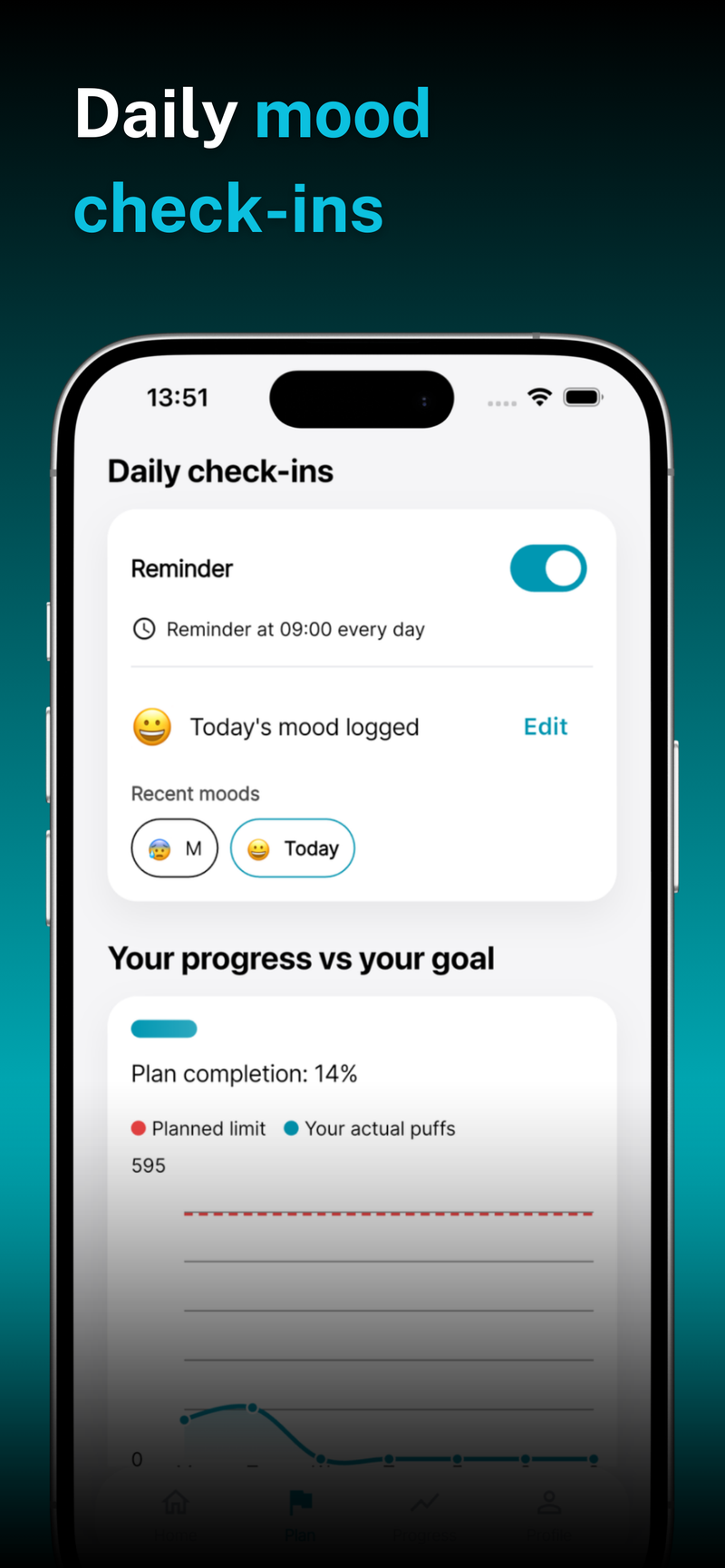

Daily MotivationProgress TrackingHealth MilestonesMoney Saved
💪 Onboarding & Personal Setup