Introduction
If you’ve tried to quit nicotine before and found yourself pulled back by cravings and old habits, you’re not alone. Quitting isn’t just a single decision; it’s a process of reshaping routines, triggers, and support networks. A realistic, week-by-week plan gives you a clear path and reduces the overwhelm that often leads to relapse. This guide lays out a practical 7-week plan you can tailor to your life, whether you’re stopping cigarettes or vaping.
Building a Realistic 7-Week Plan
Here’s a simple framework you can adapt. Each week adds a focused task, plus quick-action strategies you can start today.
Week 1: Foundation
Pick a quit date within the next seven days. Write it down and tell one trusted person.Log your current use: how many cigarettes or puffs you typically have each day and your weekly spend. This baseline is your motivation and your savings target.Prepare your environment: remove lighters, empty vape pods, and place reminders in visible spots.Identify your top three triggers (coffee breaks, after meals, social scenarios) and plan a response for each.Start a simple daily log of cravings, mood, and activities.Week 2: Start Reducing or Move to Quit
If you’re not ready to quit outright, set a reduction target (for example, 25% fewer cigarettes/puffs this week).Establish nicotine-free blocks (e.g., avoid all nicotine within two-hour windows). Use substitutions when cravings hit (gum, water, or a brisk walk).Create a small reward system for meeting daily goals.Week 3: Build a Craving Toolbox
Cravings typically last 5–10 minutes. Use delay tactics: wait 10 minutes, sip water, or take a quick walk.Practice 5-minute coping routines: box breathing (4 seconds in, 4 out), cold water splash, or a 5-minute stretch.Have a go-to replacement activity ready for each trigger (tea, a quick call, or a short chore).Week 4: Routine Replacements
Swap old routines with healthier ones: a morning walk instead of a smoke break, or a breathwork session after meals.Increase physical activity to 150 minutes per week if possible; exercise helps blunt cravings.Keep your log going and review triggers that still catch you off guard.Week 5: Manage Social Triggers
Plan ahead for social events; decide in advance how you’ll handle a request to smoke or vape.Share your plan with a friend or partner and ask them to help you stay accountable.Limit or restructure high-risk situations until you feel steadier in your new routine.Week 6: Strengthen Support and Accountability
Check in with a buddy, a support group, or a counselor. Regular accountability improves staying power.Celebrate small wins: days nicotine-free, money saved, or cravings resisted.Keep a long-term vision: what you want your life to look like as a non-user.Week 7: Maintenance and Beyond
Prepare for slip moments: if a craving wins, pause, reassess, and re-commit rather than giving up.Lock in new habits: hydration, movement, and mindful breaks become your default responses.Plan for ongoing monitoring: schedule a monthly check-in with yourself and adjust goals as needed.Tracking progress: money saved and usage avoided
Use your own numbers to calculate the impact. If you spend 8 dollars per day on nicotine, you’d save about 56 dollars per week and about 392 dollars over seven weeks.Track not only money but days nicotine-free, cravings resolved without use, and mood improvements.A simple tally helps reinforce progress and keeps you motivated.Common pitfalls and how to avoid them
Underestimating withdrawal: expect 2-4 weeks of fluctuating mood and energy; plan rest and light activity.All-or-nothing thinking: small, steady steps beat dramatic but unsustainable swings.Skipping support: brief chats with someone you trust or a short check-in can prevent quiet relapses.Conclusion
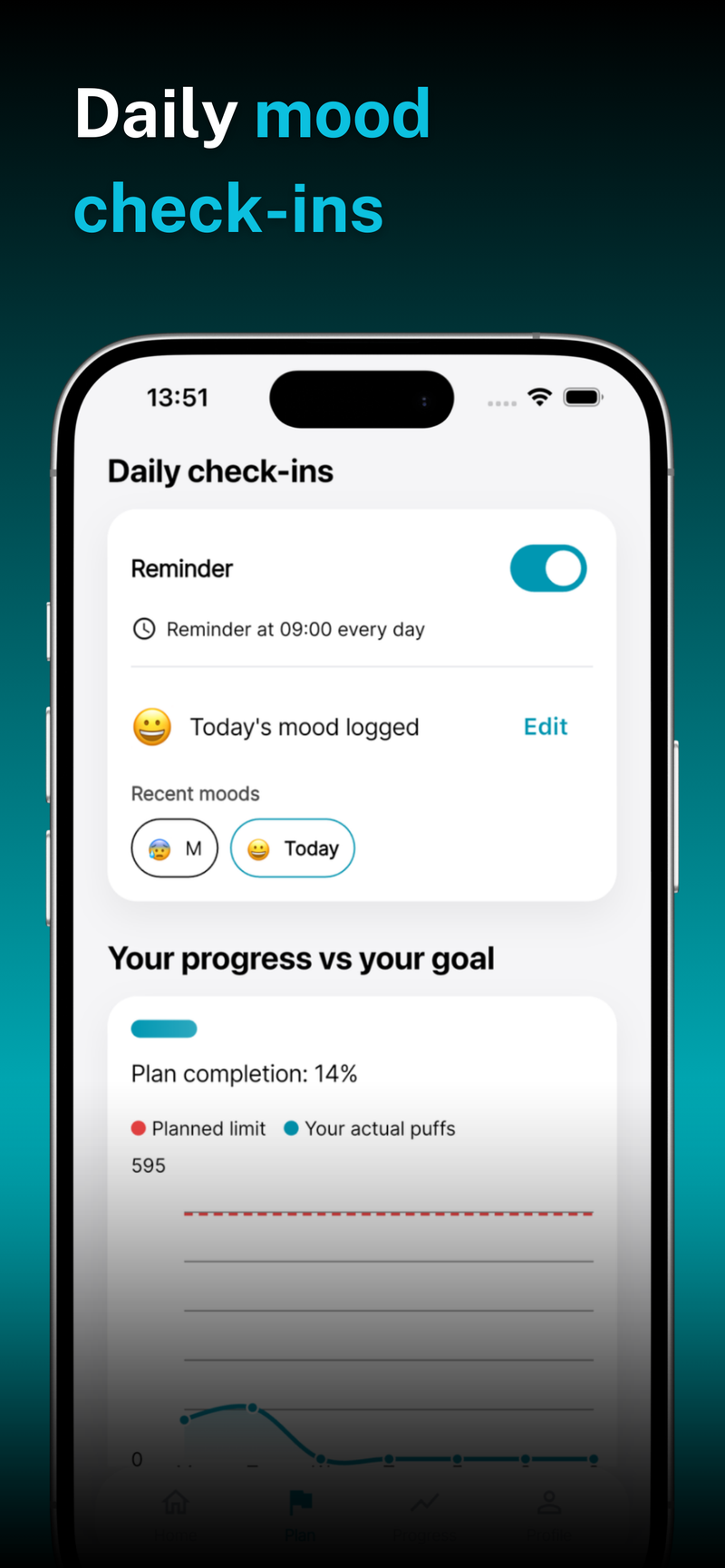
Quitting nicotine is a journey, not a single moment. A realistic, week-by-week plan helps turn a big goal into manageable daily actions. Track your use, your cravings, and your savings to stay motivated and adjust as needed. If you’d like a guided start tailored to your situation—your product type, quit versus reduction, target timeline, and a personalized weekly plan—consider a structured onboarding experience that supports your setup and helps you stay on course. Quit Smoking & Vaping can help with this, offering an onboarding and personal setup flow to tailor your plan and keep you progressing toward your goal.