
Create a Realistic Grocery Budget Without Deprivation
Learn practical steps to set a realistic grocery budget, track baseline spending, plan meals, and reduce waste without sacrificing meals you enjoy. Practical tips and habits that last.
Introduction
Are you tired of feeling deprived while trying to save on groceries? You want to feed your family well, but the cart keeps growing. You’re not alone: many households struggle to balance nutrition, variety, and budget. The secret isn’t sacrificing meals; it’s building a plan that respects your money and your values. In this guide, you’ll learn how to set a realistic grocery budget, cut waste, and still enjoy meals you look forward to.
Know your baseline
Track for a month
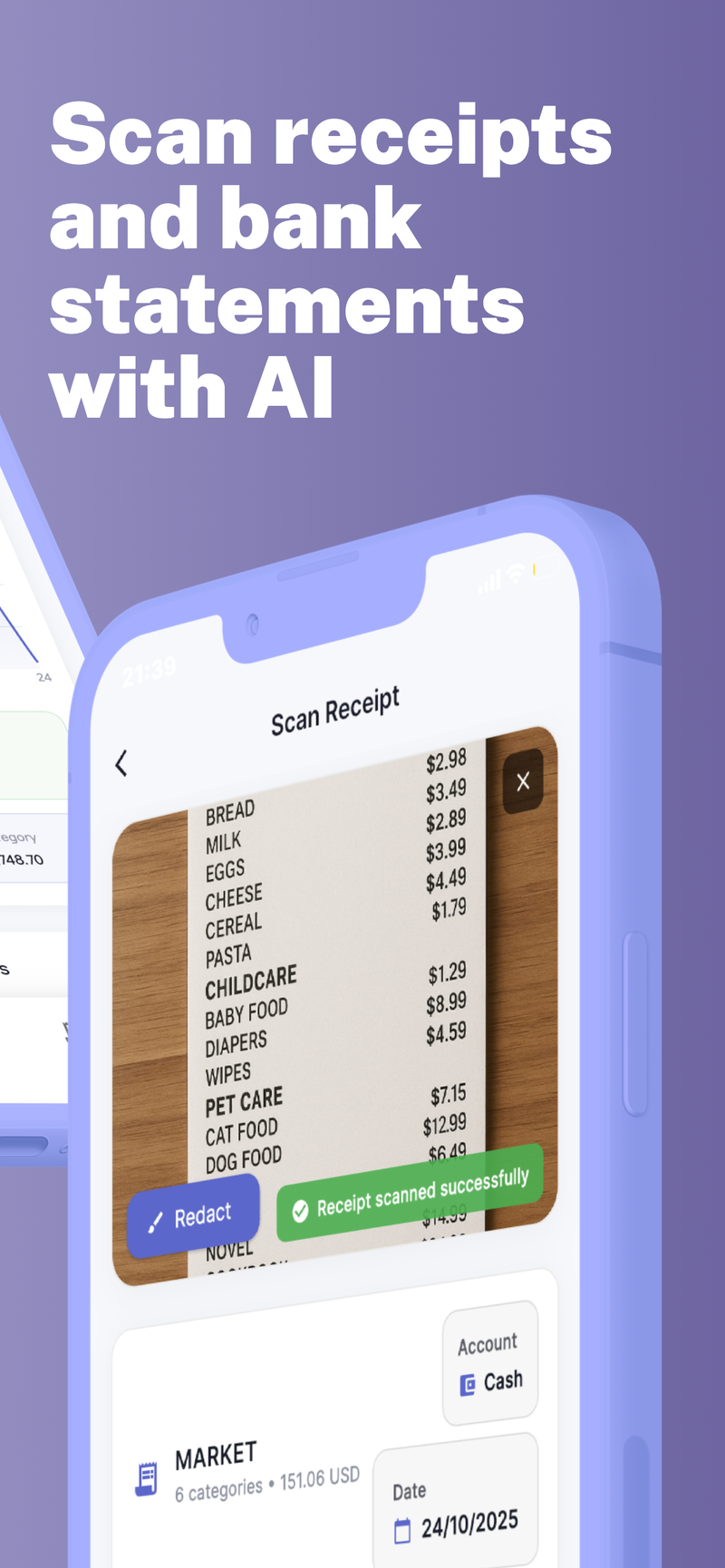
Start with a simple, honest log of what you actually spend on groceries for a full 4 weeks. Record each shopping trip, and note the categories you buy from: staples (rice, pasta, beans), produce, dairy, meat, frozen items, snacks, beverages, and treats. A basic log helps you see where your money goes, not where you wish it went.
Categorize and analyze
At the end of the month, summarize by category and total. Look for patterns:
Hidden waste is common—roughly 5-15% of groceries can be wasted due to spoilage or impulse purchases. If you notice waste, mark it as a target for cutting next month.
If your receipts average around a certain amount, that baseline becomes your starting point for adjustments. Small, consistent tracking can reveal where a few dollars saved here and there add up over time.
Build a realistic budget framework
The cost-per-meal approach
A practical way to ground your grocery budget is to tie it to meals at home. Here’s a simple method:
1) Decide how many meals you expect to eat at home in a month (e.g., 12 dinners + 20 lunches = 32 meals).
2) Set a monthly grocery budget (for example, $520).
3) Target cost per meal = monthly budget / number of home meals (in this example, about $16 per meal).
This frame helps you evaluate recipes and portion sizes before you cook. If a planned dinner would push the per-meal cost too high, you can swap to a cheaper option or adjust the ingredients.
A sensible starting point
Many households find a reasonable starting point is to allocate about 10-15% of take-home pay to groceries. If your income or family size changes, adjust accordingly. The key is to stay flexible, not rigid—treat the budget as a living plan, not a drumbeat you can’t change.
Two-list planning
Create two lists: Must-have items and Nice-to-have items. Shopping with a strict list reduces impulse purchases. If prices surge, you can temporarily substitute a Must-have with a similar, lower-cost item rather than skipping a whole meal plan.
Make the plan deprivation-proof
Smart shopping rules
Meal planning and batch cooking
Smart in-store strategies
Build habits that last
Weekly check-ins
Set a 15-minute weekly review to compare actual spend with the plan. Note what worked, what didn’t, and any price changes or meal adjustments you’ll make next week.
Adjust and adapt
Life changes: a new job, a growing family, or different schedules can shift your needs. Revisit your baseline, meals, and target cost per meal every 4-6 weeks to stay aligned with reality.
Involve the household
Share the plan with those who eat at home. Quick messaging like “this week we’re aiming for $X on groceries” helps everyone contribute and reduces friction when planning meals.
Conclusion
Setting a realistic grocery budget isn’t about restricting joy; it’s about aligning money with priorities, planning meals thoughtfully, and reducing waste. Start by knowing your baseline, apply a straightforward cost-per-meal framework, and build a few dependable habits that you can sustain even on busy weeks. With consistent tracking, flexible planning, and a willingness to adjust, deprivation becomes a thing of the past—the budget supports the meals you want, not the other way around.
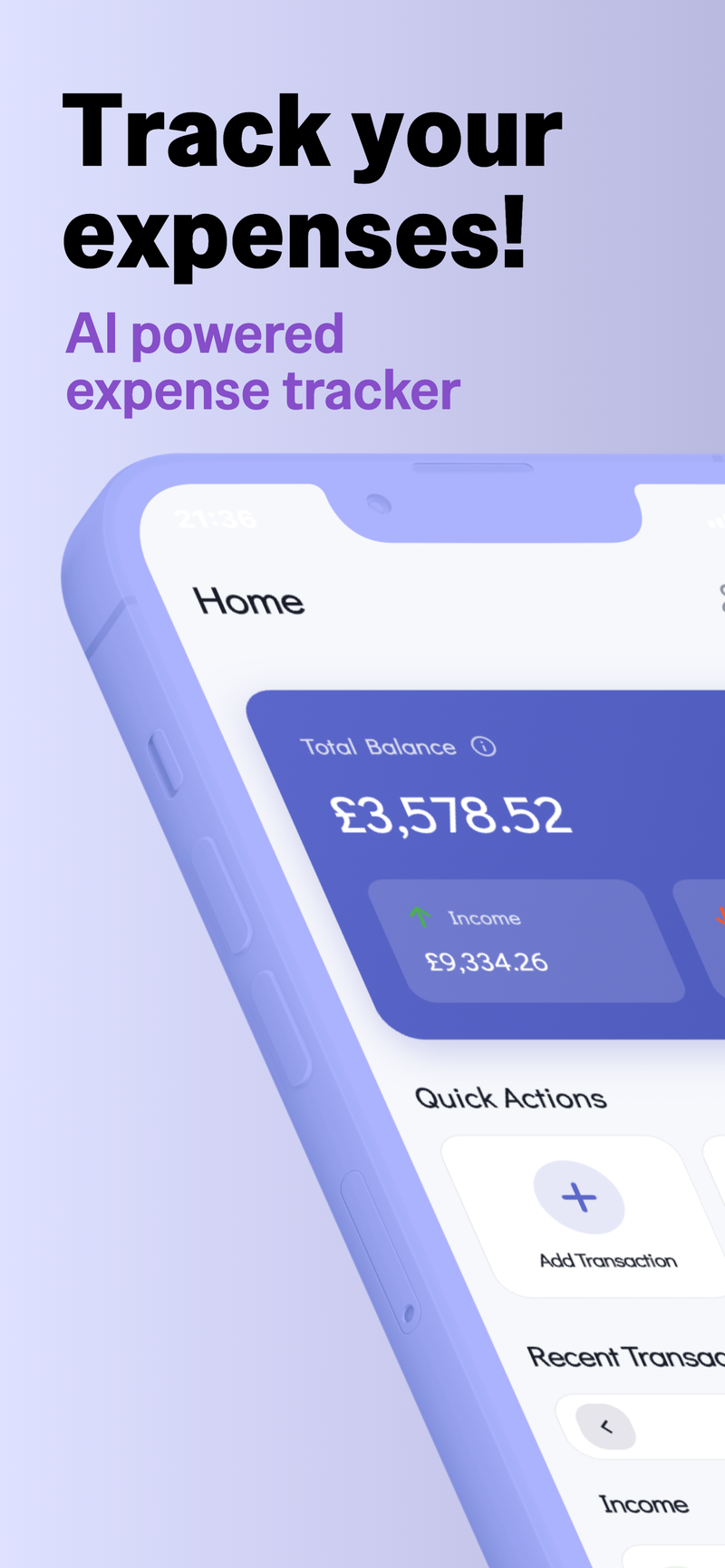
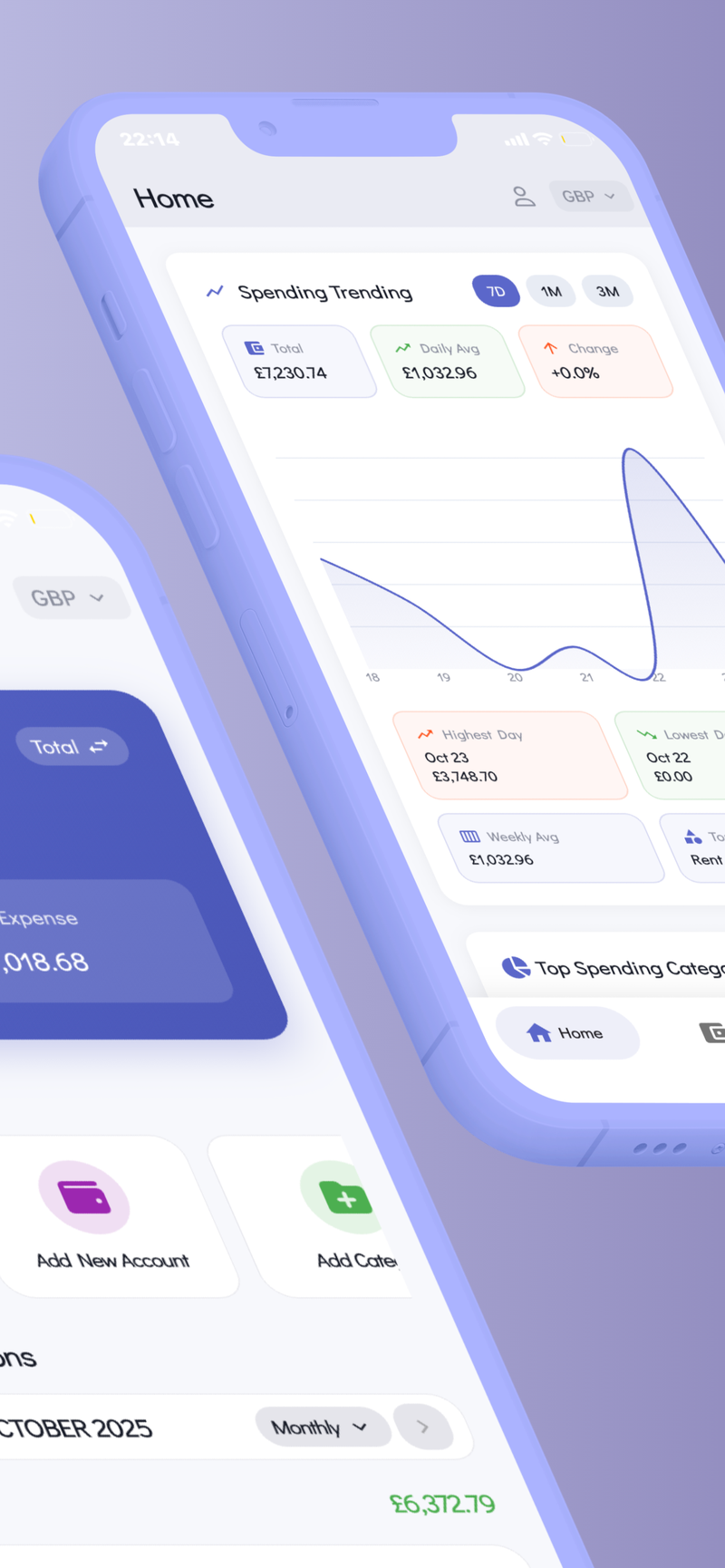
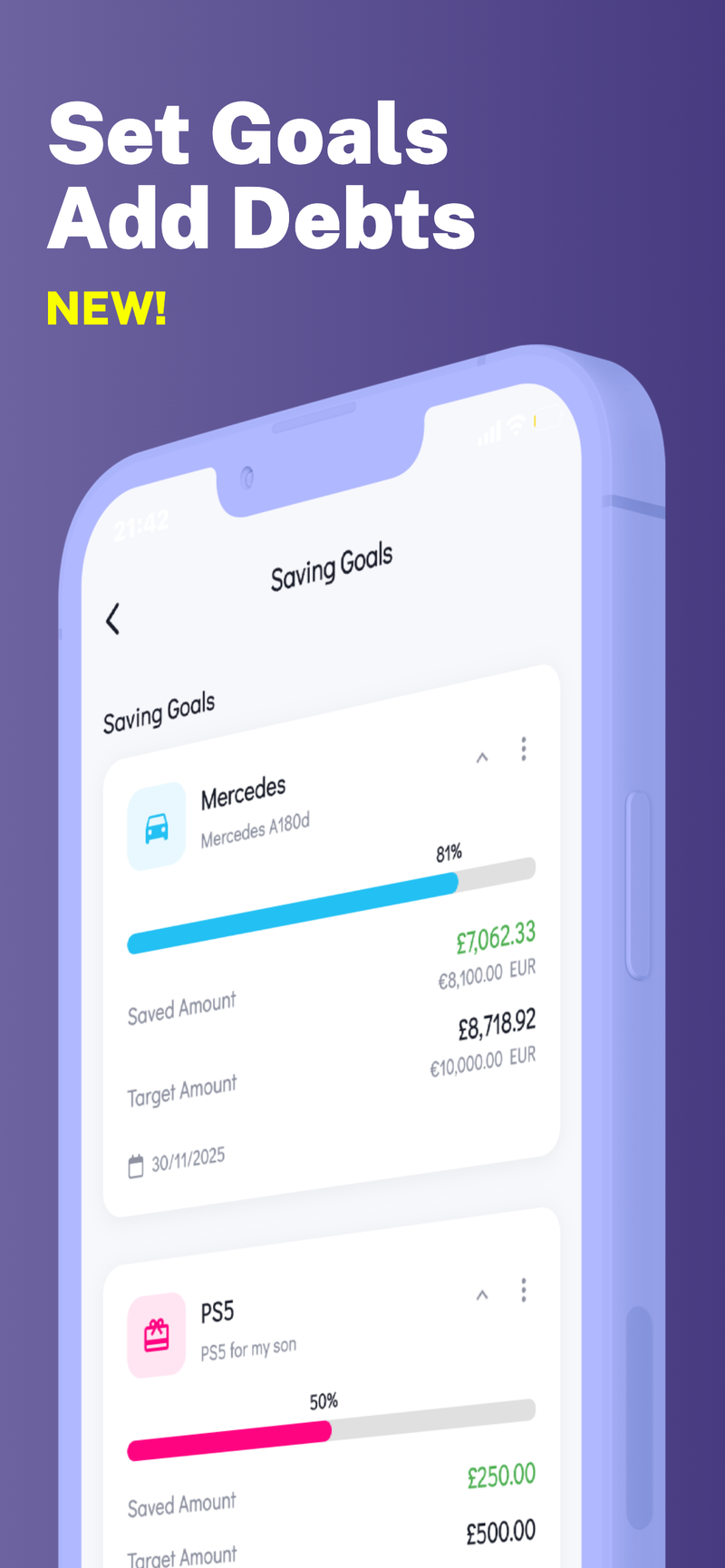
If you’re looking for a privacy-first budgeting tool that can help you manage grocery costs across multiple people and even currencies, Fokus Budget can help. It focuses on keeping your data on your device while offering features like Multi-Profile Support to separate budgets for family members or households, helping you stay organized without sacrificing privacy.

✨ Multi-Profile Support