
·Health
Create Your Personal Quit Timeline: A Step-by-Step Guide
Turn the decision to quit into a tangible, personal timeline. This step-by-step guide helps you define goals, set milestones, track spending, and build coping strategies, giving you a practical path to quit smoking or vaping.
smoking cessationquitting smokingvaping cessationbehavioral changeself-help
Introduction Quitting is a journey, not a single act. If you try to quit cold turkey without a plan, cravings can feel like a loud, constant pressure. The better you plan, the more likely you are to stay on track. A personal quit timeline turns your decision into a structured path with milestones, budgets, and practical strategies you can actually follow. This guide gives you a clear, step-by-step approach to design a timeline that fits your life and your goals. ## Step 1 — Clarify your goal and your current use Your first step is to decide how you want to approach this, and what you’ll quit or reduce: - Decide your main goal: completely quit or monitor and reduce gradually. - Identify what you’re quitting: cigarettes, vaping, or both. - Set a realistic target timeline, typically 4–12 weeks, depending on your pace and lifestyle. - Record your starting point: your current daily use and your weekly spending on it. Why this matters: clear goals and a defined product focus help you tailor your plan and measure progress. Cravings peak in minutes but decline with time and effort; a plan gives you concrete steps to ride out the waves. ## Step 2 — Choose a target date and plan length Picking a date creates urgency and commitment. Consider: - A 4–8 week window is a common balance between speed and sustainability. - If you’re new to quitting, a shorter window (4–6 weeks) can be more manageable; if you’ve tried before, a 8–12 week plan may reduce pressure and allow gradual change. - Mark the date on a calendar and build your first week around daily wins. Tips: - Don’t pick a date tied to a big event if it adds stress; pick a calm period where you can focus on changes. - Break the plan into weekly targets rather than a single finish line. ## Step 3 — Map daily use and budgeting Turn numbers into motivation: - Log your current daily cigarette puffs or vape hits and your weekly spend. - Translate spending into a tangible weekly savings target (e.g., if you spend $12 a day, that’s about $84 a week). - Use that savings figure to fuel your motivation and fund healthier substitutes or activities. Actionable tip: create a simple daily log (even a notebook will do) for the first two weeks. Seeing avoidance patterns laid out makes it easier to see progress over time. ## Step 4 — Identify triggers and plan replacements Triggers are the moments or emotions that spark use: - Common triggers: morning routine, after meals, stress, social situations, caffeine, alcohol. - Plan replacements: water or tea, short walks, chewing gum or mints, breathing exercises, quick stretches. Create a short trigger-replacement list for your top 5 triggers. Keep it accessible (phone notes or a small card in your wallet). ## Step 5 — Build milestones and check-ins Milestones provide clear checkpoints: - Week 1: reduce by 20–40% or set a quit date if you’re aiming for full cessation. - Week 2–3: establish a routine for cravings; try 10-minute delay tactics. - Week 4: a noticeable reduction in daily use and improved sleep/energy. - Week 6–8: increased confidence, better breathing, fewer cravings. - Week 12: reassess goals; many find it easier to stay quit or continue reducing. Set behavioral “wins” for each milestone, like replacing a certain number of daily puffs with a healthier habit. ## Step 6 — Plan coping strategies for cravings Cravings aren’t weakness; they’re a signal your body is adjusting. Try: - Delay tactics: wait 5–10 minutes and use a distraction. - Physical activity: a quick walk, five squats, or a stretch break. - Hydration and healthy snacks: water first, then a small, low-calorie option. - Breathing techniques: 4-7-8 breathing or box breathing. - If you use nicotine replacement therapy (NRT) or other aids, follow medical guidance. Reframe cravings as temporary: they usually peak within minutes and fade with time. ## Step 7 — Build support and accountability Support makes a real difference: - Tell a few trusted friends or family about your plan. - Schedule brief daily or weekly check-ins with someone who can keep you accountable. - Consider joining a local support group or an online forum to share successes and strategies. ## Step 8 — Review and adapt your timeline Your plan isn’t set in stone. After two weeks, review: - Which triggers still derail you, and which replacements work best? - Are your milestones realistic, or do you need more time for certain steps? - Have your daily habits shifted in ways you can quantify (more energy, better sleep, improved smell/taste)? Adjustments are a normal part of the process. ## Step 9 — Prepare for slips and relapse If you slip: - Acknowledge, don’t punish yourself. Identify what led to the slip. - Reset by re-reading your plan, re-choosing a quit date, and returning to your replacements. - Use the setback to strengthen your long-term strategy; one slip doesn’t ruin the progress you’ve made. ## Step 10 — Tools to keep you consistent Simple tools can keep you on track: - A craving log: when it hit, how long it lasted, what helped. - A daily 2-minute meditation or breathing exercise. - A budget tracker to visualize money saved. - A habit journal to map triggers to actions. Consistency matters more than perfection. Small, steady steps compound into lasting change. ### A few practical reminders - Nicotine withdrawal effects typically ease within a few weeks; most people feel steadier after 3–4 weeks. - Physical health improvements begin quickly: 20 minutes after your last smoke, heart rate drops; 8–12 hours later, carbon monoxide levels normalize; within weeks, circulation improves and breathing becomes easier. - Quitting often improves sleep, taste, and energy within days to weeks. ## Conclusion Turning the decision to quit into a personalized timeline gives you concrete steps, measurable milestones, and a budget to fuel your motivation. By clarifying your goal, choosing a realistic timeline,


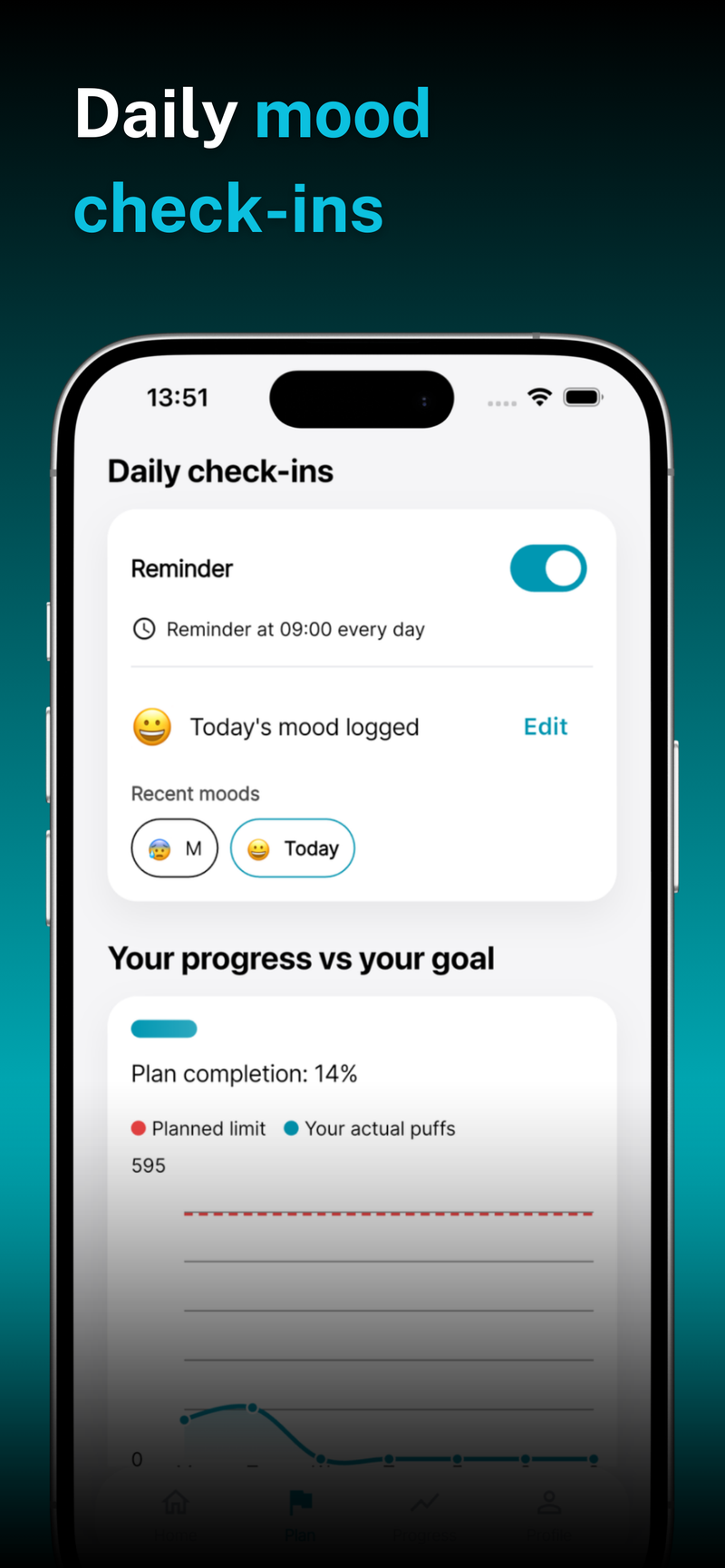

Daily MotivationProgress TrackingHealth MilestonesMoney Saved
💪 Personalized quit timeline and budgeting insights