Introduction
Rising costs touch every corner of family life—groceries, utilities, activities for kids. It’s common to feel like you must choose between quality and saving money. The truth is, you don’t have to lower your standards to stay within budget. With a practical plan, small changes add up without draining what you value most. This guide offers actionable steps you can start today, backed by simple frameworks and concrete examples.
Practical strategies that actually save without sacrificing joy
Start with a budget framework
Try the 50/30/20 rule as a starting point: 50% needs (rent, utilities, groceries), 30% wants (dining out, entertainment), 20% savings or debt payoff. Customize the ratios to fit your family rhythm.Track your spending for one month to understand where every dollar goes. A quick spreadsheet, a simple app, or even a notebook works—the act of tracking matters more than the tool.Define non-negotiables for your family (housing, health, transportation) and clearly mark them in your budget. Everything else becomes a choice.Action steps: (1) list fixed costs, (2) categorize variable expenses, (3) schedule a quarterly budget review to adjust as life changes.Plan meals and groceries with intent
Create a weekly meal plan before you shop. A focused plan reduces impulse buys and makes grocery trips shorter.Build a precise shopping list from the plan. Compare unit prices (price per ounce, per pound, per item) and favor store brands when quality matches.Batch cook and repurpose leftovers. A single Sunday batch meal can cover several weeknights and prevent fast-food temptations.Buy in longer-lasting formats when it makes sense (frozen vegetables, bulk grains, canned proteins). Freeze portions to avoid waste.Example: families who plan meals and shop with a list often see noticeable reductions in grocery spend while keeping variety and nutrition high.Audit subscriptions and recurring costs
Do a quarterly audit of streaming services, gym memberships, and app subscriptions. Cancel what’s underutilized or downgrade to essentials.Look for duplications (two streaming services you barely use, or a gym plan you don’t attend). Swap to a single, higher-value option or switch to free alternatives when possible.Take advantage of downgrades or annual plans only if you’ll truly use them. Share accounts within allowed limits when permitted.Action steps: (1) collect 3–6 months of statements, (2) cancel or downgrade two services you hardly use, (3) set a reminder to re-evaluate in 90 days.Shop smarter and cut waste
Buy seasonally and shop at local markets when possible; seasonal produce is often cheaper and fresher.Use price comparisons and loyalty programs, but beware of chasing discounts you won’t use. If it sits in the pantry, it’s not a savings.Consider bulk purchases for non-perishables you know you’ll use, but avoid bulk buys that lead to waste. Always ask: will this actually get used before it expires?Practice the “wait 24 hours” rule for non-urgent big purchases to curb impulse buys.Action steps: (1) identify a few staples to buy in bulk, (2) set a price-per-unit target for key items, (3) plan your next big grocery trip around sale cycles.Save on energy, transport, and home maintenance
Energy: switch to LED bulbs, seal gaps around doors and windows, use a programmable thermostat, and run full loads of laundry. Small efficiency wins compound over the year.Transportation: carpool, combine trips, maintain tires and engine health for better fuel efficiency, use public transit when feasible.Maintenance: fix small issues early to avoid bigger costs later. Learn a few basic DIY repairs and keep a simple toolkit handy.Action steps: (1) conduct a quick energy audit of your home, (2) replace oneOld bulb with LED this month, (3) map out 2 weeks of combined trips to cut extra mileage.Prioritize experiences over things
Free and low-cost activities can deliver meaningful family time without breaking the bank: libraries, parks, community events, and museums with free days.Invest in durable basics (shoes, jackets, school supplies) rather than frequent quick replacements. Quality over quantity often saves money in the long run.Track the budget impact of experiences versus purchases. When you prioritize shared time, the value isn’t just financial—it’s relational.Create a simple 30-day action plan
Week 1: track all expenses for a full week and confirm your top three budget priorities.Week 2: implement meal planning and a two-subscription audit. Cancel or downgrade one non-essential service.Week 3: apply price-per-unit thinking on groceries, and replace at least one impulse buy with a planned alternative.Week 4: review energy usage and plan two home efficiency tweaks. Set a follow-up date to reassess.Small, steady changes beat big, unsustainable cuts. The goal is to preserve quality while reducing waste and misspent dollars.Conclusion
Cutting family expenses doesn’t have to mean sacrificing the things that matter—nutrition, education, time together, and comfort. By building a clear budget framework, planning meals, auditing recurring costs, shopping smarter, and boosting home efficiency, you make room for what you value most while keeping your life enjoyable and sustainable.
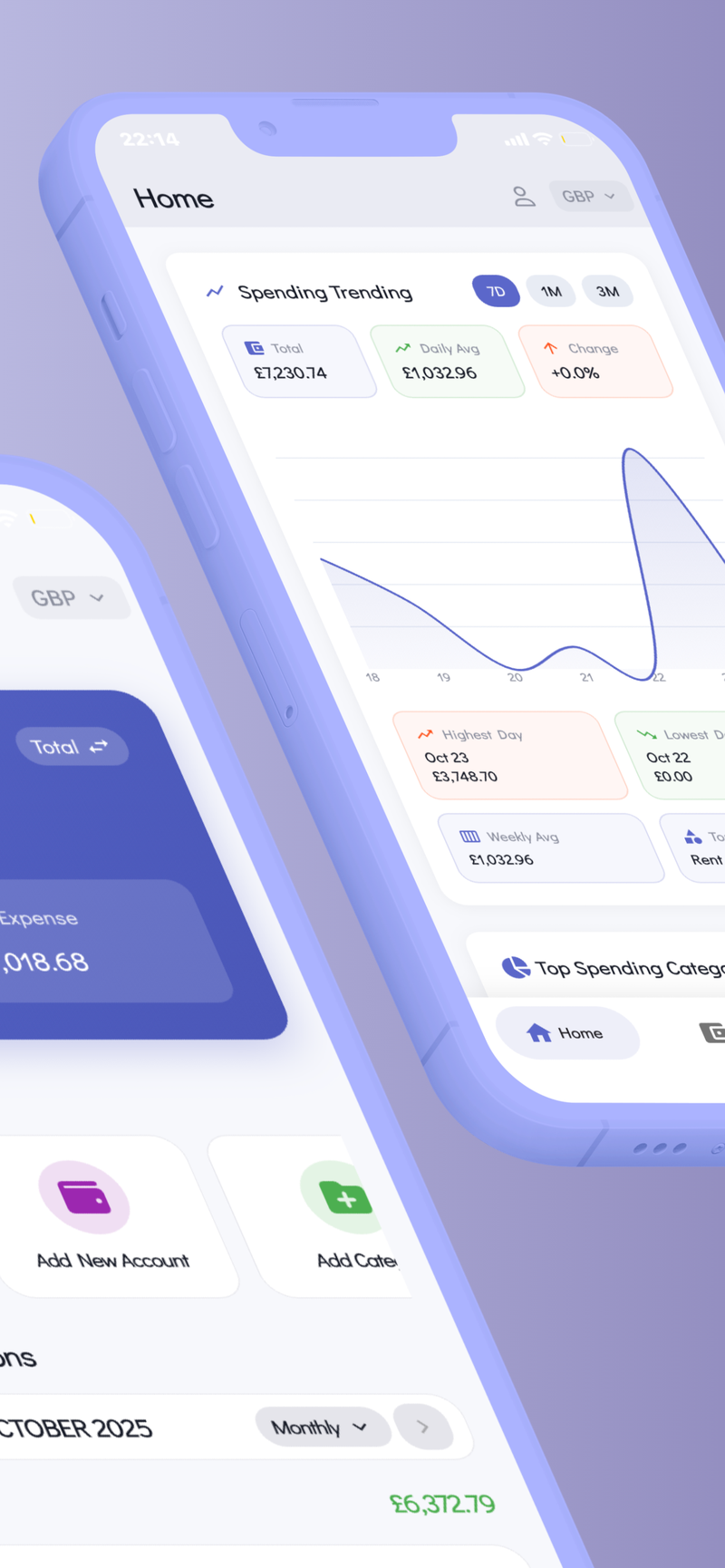
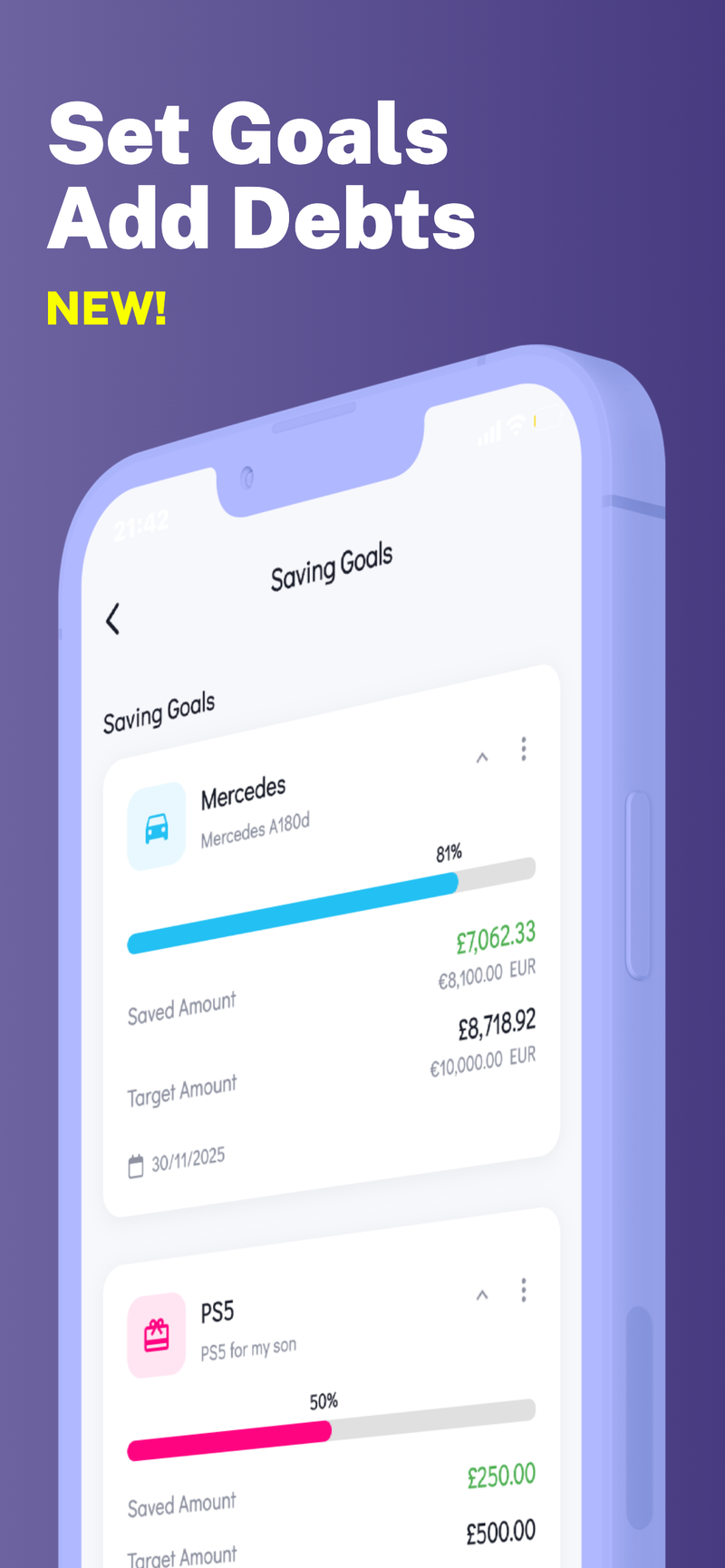
If you’re looking for a practical way to manage your family’s money across multiple profiles and currencies, consider a privacy-first personal finance tool that keeps data on your device. Fokus Budget offers features like Multi-Profile Support to help families track personal, family, or business finances in a single, secure place. It’s a thoughtful option to help you apply the strategies above with confidence, without compromising your privacy or control.