
·Budgeting
Debt Reduction Budget Without Cutting Fun: Practical Steps
Learn how to budget for debt reduction without sacrificing enjoyment. This guide blends debt payoff strategies with practical hacks to fund a dedicated fun budget while paying down debt.
personal financebudgetingdebt reductionfrugal livingfamily finances
Introduction Debt can feel heavy, and the thought of paying it down often comes with the fear of losing the things you enjoy. The good news is you don’t have to choose between debt relief and a life you love. With a thoughtful budget, you can accelerate debt payoff and still fund meaningful experiences. This guide lays out a practical framework you can implement this month. It blends proven payoff methods with budget hacks that protect your fun fund, so you stay motivated instead of burnt out. ## A practical framework for debt reduction without cutting fun ### 1. Map your money - Gather your last 2–3 months of statements and receipts. - Create three buckets: Needs, Wants, and Debt/Savings. - Distinguish essential expenses (housing, utilities, groceries, transport) from discretionary ones (eating out, entertainment, subscriptions). - Set a dedicated Fun Fund within Wants. This is your monthly budget for experiences and small pleasures, non-negotiable but clearly bounded. ### 2. Pick a payoff strategy Two popular approaches work well. Choose one and stay consistent: - Avalanche: attack the debt with the highest interest rate first. This minimizes interest and speeds up overall payoff time. - Snowball: pay off the smallest balance first to gain momentum and quick wins. This can boost motivation and adherence. The right choice depends on your psychology and their numbers. If you’re motivated by momentum, the snowball can help. If you’re focused on cost savings, the avalanche is typically faster. ### 3. Create a debt payoff plan that funds fun - Establish a Debt Accelerator line in your budget. Decide a realistic extra amount you can apply to debt each month beyond the minimum payments. - Pair this with your Fun Fund. For example, you might allocate a fixed Fun Fund of 150–250 per month and allocate any extra toward the debt accelerator until a payoff date is met. - Set a tangible payoff target (for example, reduce overall debt by a specific percent within 12–24 months). Having a date gives you a roadmap and a reason to celebrate milestones. ### 4. Find savings without feeling deprived - Audit recurring subscriptions and memberships. Cancel ones you rarely use or switch to cheaper plans. - Meal plan and batch cook. This often saves a surprising amount and protects your dining out budget for special occasions. - Shop smarter for groceries: compare unit prices, make a list, and avoid impulse buys. - Look for small friction reductions in daily spending, like brewing coffee at home or packing lunches. - Reconsider big recurring costs that creep up, such as insurance or phone plans. Shop around or negotiate renewals. ### 5. Build a dedicated fun fund - Define what counts as fun and set a monthly cap. Examples include dining out, movie nights, a hobby class, or a weekend trip within a budget. - Treat the Fun Fund as an envelope in your budget. Once that money is spent for the month, you wait until the next cycle instead of dipping into debt. - Schedule your fun in advance. This reduces impulse purchases and increases anticipation, which is often a cheaper way to feel rewarded. ### 6. Automate and track - Automate debt payments and savings contributions where possible. Consistency beats motivation in the long run. - Use a simple tracking method: a single spreadsheet or a budgeting notebook. Note your debt balances, the amount paid, and the remaining payoff timeline. - Review weekly if you can. A quick check-in helps you catch overspending early and adjust before it compounds. ### 7. Use windfalls and irregular income wisely - When you receive a bonus, tax refund, or extra earnings, allocate a portion to the debt accelerator to shorten payoff time. - If you can, dedicate a smaller portion to the Fun Fund for occasional splurges that don’t derail your plan. ### 8. Monthly review and adjust - At the end of each month, compare plan vs. reality. Did you overspend in any category? Were you able to add more to debt payoff? - Be flexible. If the Fun Fund consistently runs out early, adjust the cap modestly instead of abandoning the fund altogether. - If income changes, recalculate quickly to keep the plan aligned with your goals. ### 9. When to consider debt relief options - If interest rates are high and payoff is dragging, explore options like debt consolidation, refinancing, or speaking with a financial advisor about strategy. - Remember that some solutions require careful evaluation of fees and long-term effects on credit and liquidity. ## Realistic, actionable tips you can start this month - Run a 15-minute weekly budget review to catch leaks before they grow. - Swap one weekly dine-out for a home cooked meal and put the savings toward debt payoff. - If you watch streaming services, rotate them so you only pay for one or two at a time and reallocate the rest. - Plan one low-cost or free activity each weekend and log a small win toward your payoff for that month. - Use the 24-hour rule for impulse buys: wait a day before purchasing non-essentials. ## A simple example you can adapt Take a look at your own numbers and build from this skeleton. If your take-home pay is 5,000 a month, you might set: - Needs: 2,600 - Minimum debt payments: 350 - Fun Fund: 200 - Savings: 600 - Extra toward debt accelerator: 1,200 This is just a starting point. The key is to allocate a real amount consistently to debt while preserving a defined space for nonessential pleasures. Small, steady wins compound into big changes over time. ## Conclusion Paying down debt doesn’t have to mean a joyless budget. By mapping your money, choosing a payoff method, and carving out a dedicated fun fund, you can accelerate debt payoff while still enjoying life. Regular check-ins, smart habit changes, and a bit of discipline can create a sustainable balance that sticks. If you want a practical way to apply these steps
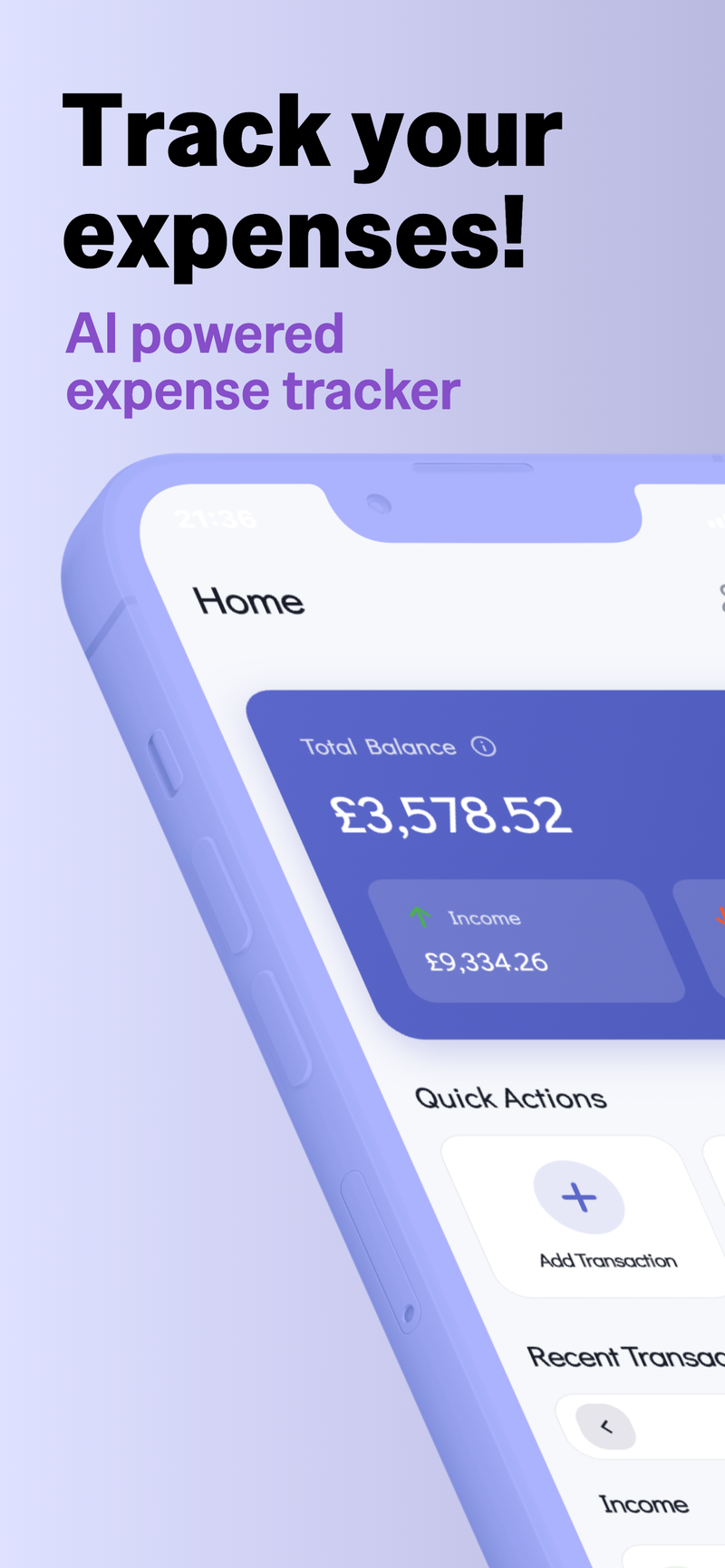
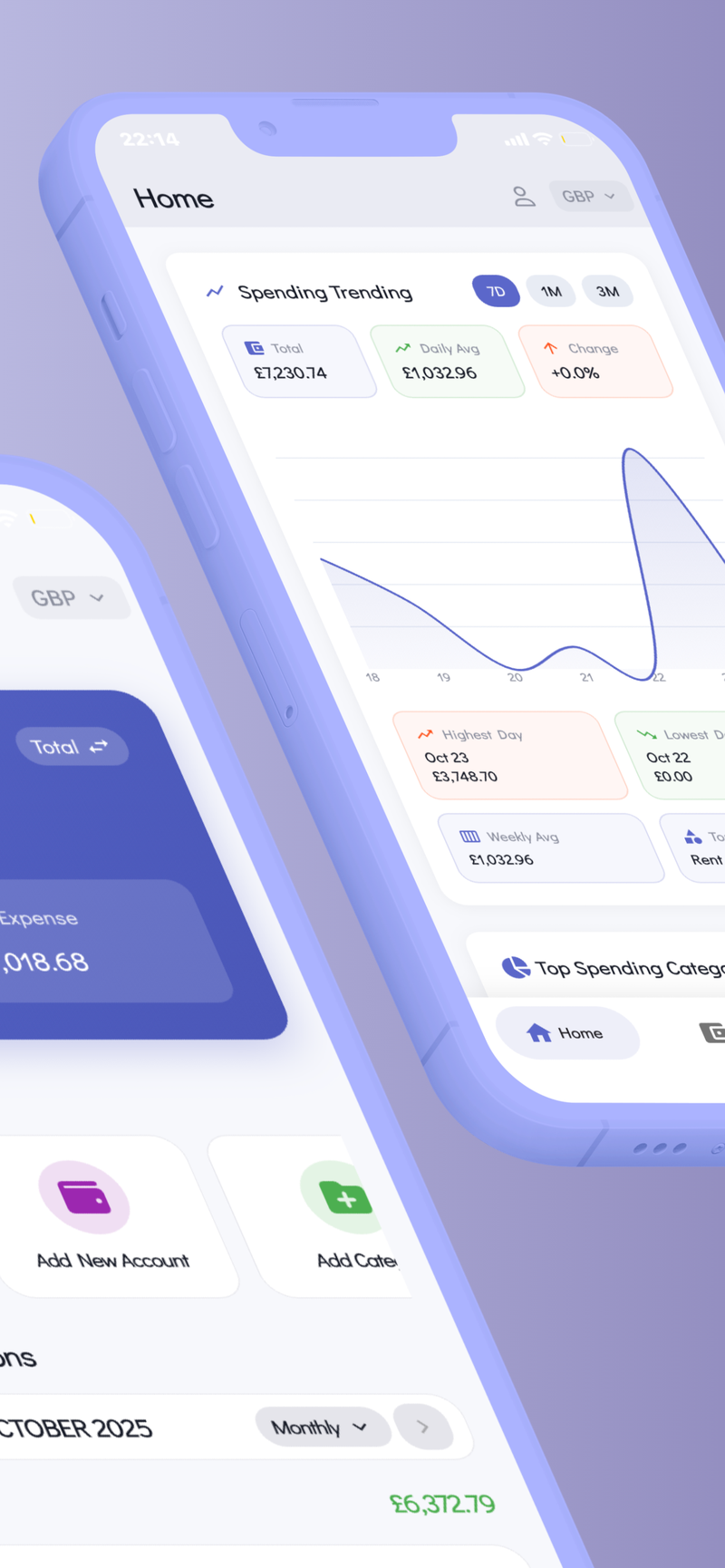
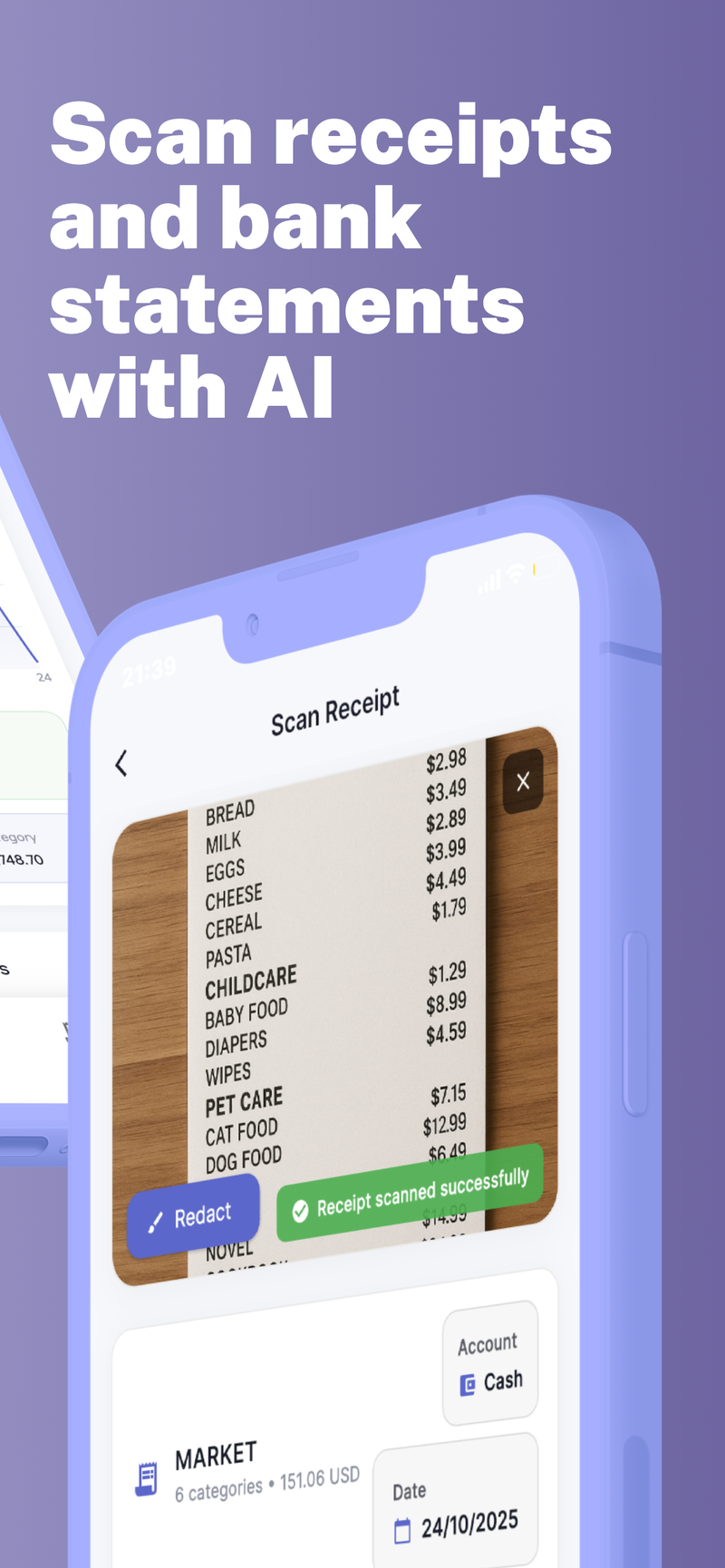
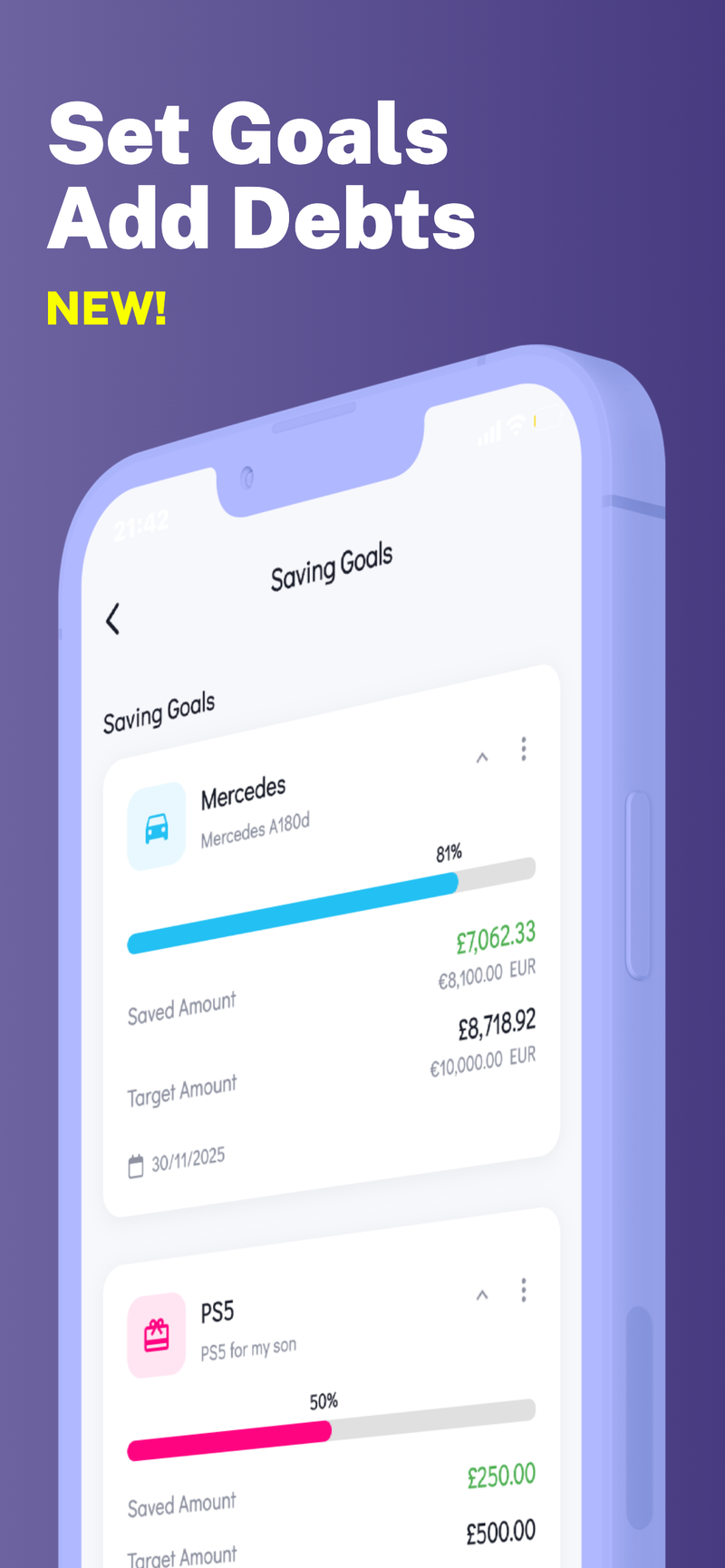

AI Receipt ScanningMulti-CurrencyBank ImportPrivacy-First
✨ On-device data privacy