Quit Smoking

Quit Smoking

Your journey to freedom

·Health

Eating for Withdrawal: Foods That Ease Nicotine Cravings

Cravings during nicotine withdrawal come in waves. This guide offers practical, snackable strategies to stabilize blood sugar, curb urges, and support a successful quit.

smoking cessationnutritioncravingswithdrawal managementhealthy-snacks

Introduction

Cravings during nicotine withdrawal are common, but they don’t have to derail your quit attempt. The urge to smoke or vape often comes in waves, tied to daily routines, stress, or even a simple taste in your mouth. The good news: what you eat can help calm those waves, stabilize mood, and reduce the chance of relapse. This guide focuses on practical, evidence-informed foods and snack strategies that support withdrawal management rather than quick fixes.

Main Content

Understanding withdrawal and cravings

When you quit nicotine, your body is adjusting to life without a familiar stimulant. Cravings typically peak within the first 24–48 hours and can persist for a few weeks, especially during moments tied to routines or stress. On average, cravings last a few minutes but can feel persistent if you lack a replacement habit. Hydration, sleep, and steady blood sugar play big roles in how intense they feel. Cumulative experience and research both show that having healthy substitutes and planned meals reduces the chance of returning to smoking.

  • Cravings often come in waves and may last 2–5 minutes at a time.

  • They’re more likely during triggers: after meals, with coffee or alcohol, or during stress.

  • A modest weight concern is common; keeping balanced meals helps keep energy steady.
  • How food helps during withdrawal

    Food isn’t a magic cure, but the right choices can ease the discomfort of withdrawal:

  • Stabilize blood sugar: fiber-rich carbs and protein slow digestion, reducing irritability.

  • Satisfy oral fixation: crunchy, textured foods and chewing can mimic the act of smoking.

  • Support mood and energy: healthy fats (like nuts and fish) and omega-3s support brain function and alertness.
  • Practical dietary strategies


  • Plan meals and snacks around triggers: map when cravings hit and prepare a go-to snack.

  • Hydration first: a glass of water can blunt the urge and help you decide if you’re truly hungry.

  • Protein at every meal or snack: aim for 15–25 g of protein to sustain fullness.

  • Include fiber: vegetables, fruit with skin, whole grains to slow digestion and stabilize energy.

  • Crunch with purpose: choose crunchy vegetables, apples, or popcorn to satisfy the mouthfeel without a lot of calories.

  • Smart snack ideas:

  • Apple or pear with a tablespoon of almond butter

  • Greek yogurt with berries

  • Carrot sticks or cucumber with hummus

  • A handful of almonds or walnuts

  • Air-popped popcorn with a pinch of nutritional yeast

  • Oatmeal topped with cinnamon and sliced banana

  • Edamame or a small portion of cottage cheese

  • Beverages that help: water, herbal tea (peppermint or cinnamon), and unsweetened green tea. Avoid excess caffeine late in the day if it increases jitters.

  • Mindful triggers: pair your cravings with a 5-minute walk, a brief breathing exercise, or a quick shower to reset the moment.
  • Mindful routines that support withdrawal


  • Create a default “craving plan”: when you feel the urge, drink water, check your snack stash, and try a 2-minute deep-breath exercise.

  • Build a three-meal, two-snack pattern with protein and fiber at each point.

  • Keep a simple craving log: note what triggered the urge, the time, and what replacement choice you used. This helps you spot patterns and adjust.
  • Sample day of food-focused withdrawal support


  • Breakfast: Greek yogurt with berries and a sprinkle of oats or flax.

  • Snack: apple with a tablespoon of peanut or almond butter.

  • Lunch: grilled chicken or chickpeas with quinoa and plenty of veggies.

  • Snack: carrot sticks with hummus or a small handful of almonds.

  • Dinner: salmon or tofu with brown rice and steamed greens.

  • Evening: herbal tea to wind down and reduce late-night urges.
  • Conclusion

    Quitting nicotine is as much about habits as it is about willpower. By choosing foods that stabilize blood sugar, satisfy the mouth, and nourish mood, you can reduce withdrawal discomfort and support a sustainable quit.

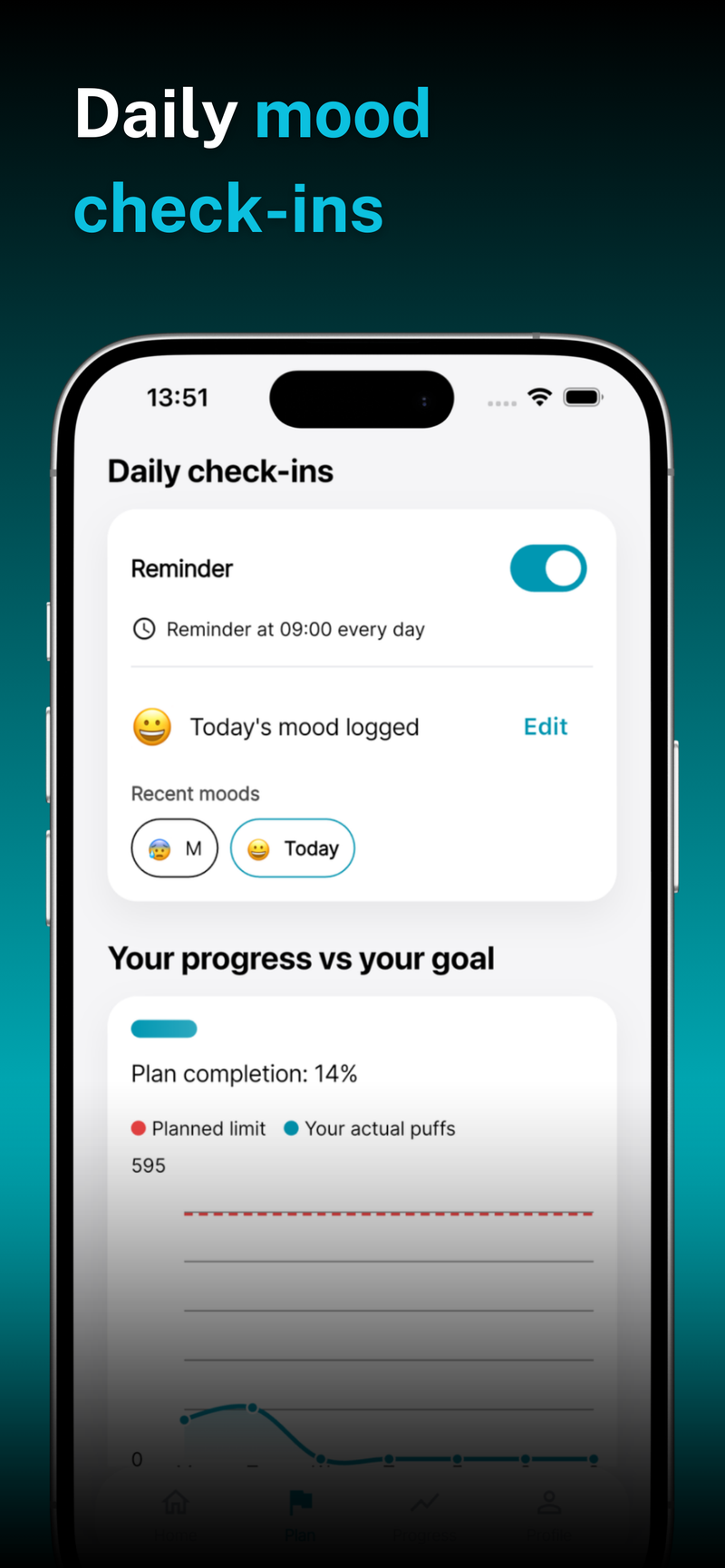
    If you’re looking for a structured approach, there are tools designed to help you customize your plan and track progress. For example, a solution like Quit Smoking & Vaping offers Onboarding & Personal Setup to help you: get a warm welcome, walk through a multi-step setup, choose your product type (cigarettes or vapes), set your main goal (monitor & reduce or quit), pick a target timeline, input your current daily puff count, and estimate weekly spending. It’s a gentle nudge toward consistency, not a hard sell — just a helpful option to consider.

    Quit Smoking icon

    Quit Smoking

    Your journey to freedom

    Free • In-App Purchases
    GET
    Dashboard
    Progress
    Health
    Savings
    Motivation
    Stats
    Daily MotivationProgress TrackingHealth MilestonesMoney Saved

    💪 Onboarding & Personal Setup

    Related Articles

    Quit Smoking

    Your journey to freedom