
·Budgeting
Efficiently Track Your Family Budget: Practical Tips
This guide shares practical, proven strategies for tracking family expenses, from building a baseline to regular reviews. It emphasizes collaborative budgeting and simple tools that fit real-life routines.
budgetingpersonal financefamilyexpense trackingfinancial planning
Introduction Are you tired of feeling surprised by monthly expenses? If your family budget seems like a moving target, you’re not alone. Between groceries, utilities, kids’ activities, and the occasional emergency, it’s easy for numbers to fall behind real life. The good news: you can regain control with a repeatable, realistic approach that fits your rhythms—without turning budgeting into a full-time job. This guide focuses on practical, proven steps you can implement this week. You’ll learn how to establish a baseline, involve everyone in the process, and create simple habits that lead to more predictability and less financial stress. ## Practical strategies to track family budget efficiently ### Start with a realistic baseline - Gather the last 2–3 months of bank and receipt data. Look for patterns: fixed costs (rent, mortgage, insurance) and variable costs (groceries, dining out, fuel). - Create a plain categorization scheme. Start with 6–8 categories: Housing, Utilities, Groceries, Transportation, Health, Personal/Munitions, Subscriptions, and Savings/Debt. You can add subcategories later as needed. - Calculate a rough monthly average for each category. This baseline becomes your yardstick for the coming months and helps you spot outliers quickly. Studies show that households that track expenses and set category targets tend to reduce overspending by a meaningful margin—often in the 10–20% range—once they establish a simple, repeatable process. ### Involve every spender - Have a quick family meeting to agree on what counts as essential vs. discretionary. Clarity reduces conflict and increases participation. - Assign responsibility for categories or groups of categories. When each person tracks their spend, nobody feels blamed, and accountability improves. - Use a shared, simple method for input. A weekly check-in (10 minutes) consolidates entries and reinforces the habit. Involvement is not about policing; it’s about shared understanding. When everyone sees how small daily choices add up, it’s easier to adjust in real time. ### Choose a simple framework - Use a lightweight framework with clear targets. For example, set a monthly limit for each category based on your baseline, and aim to stay within them. - Build in a cushion. If a category tends to overshoot, set a modest buffer (5–10%) to avoid constant overages. - Track irregular expenses separately. Annual or semi-annual costs (subscriptions, car maintenance) should be parked in a dedicated line item so they don’t disrupt month-to-month planning. A straightforward framework reduces decision fatigue and makes budgeting feel doable rather than daunting. ### Automate where possible - Automate recurring payments and bill reminders to avoid late fees and missed payments. - If you use a digital tool, enable import of transactions from your bank or card feeds. This lowers manual entry and keeps data fresh. - Use simple automation like rounding up small purchases into a savings category to build a safety buffer gradually. Automation can dramatically cut the time spent on budgeting while improving accuracy—especially for busy families. ### Regular reviews with a calendar - Schedule a monthly review (and a quarterly deeper dive). Put it on the calendar, treat it as a standing appointment. - Compare actuals to targets, celebrate wins, and identify variances. Ask: Was a big grocery bill an anomaly or a controllable trend? - Adjust as needed. If a category consistently overshoots, reallocate from another category or revisit your targets. A predictable cadence turns budgeting from a chore into a decision-support routine that guides your family year-round. ### Use receipts and digital inputs - Save receipts for at least a month (or snap photos on your phone for key purchases). This reduces guesswork when reconciling later. - Regularly tag and categorize transactions. Consistent labeling makes future reviews faster and more accurate. - Don’t overlook cash. If you frequently pay with cash, keep a simple diary or a quick note to capture those expenses. Small, consistent inputs beat large, sporadic reconciliations every time. ### Track cash and irregular expenses - Establish an “irregulars” bucket for things like car maintenance, gifts, or seasonal purchases. This keeps month-to-month budgets stable. - Consider a running quarterly estimate for big-variance items. If you know a school year may bring more supplies, plan ahead. - Look for repeating patterns in irregulars and see if you can pre-allocate small, regular amounts to smooth the peaks. The goal is to prevent surprises and maintain visibility on where money actually goes, even when life is busy. ### Use visual reports for awareness - Turn numbers into quick visuals: bar charts by category, stacked progress bars against monthly targets, or a simple line graph of total spend over time. - Focus on trends, not perfection. A single bad month isn’t a failure if you’re seeing an overall improvement over a few cycles. - Create a “heat map” of spending days. It helps you identify when overspending tends to happen (e.g., weekends, payday weeks). Visuals convert data into actionable insights, making it easier for everyone to stay aligned. ### Safety and privacy - Choose processes and tools that respect privacy. The best habit is the one that you and your family will actually use consistently. - Keep sensitive information in a secure place and limit access to trusted members of the household. - Regularly back up your data and review privacy settings on any tools you use. A budgeting approach that protects your privacy is more sustainable in the long run and reduces hesitation to keep tracking. ## Practical tips and real-world steps - Start small: pick two categories to track for the first month, then add more as you gain confidence. - Use a simple notebook or a single spreadsheet. Complexity breeds abandonment; simplicity encourages consistency. - Align budget with goals: short-term (saving for a vaca
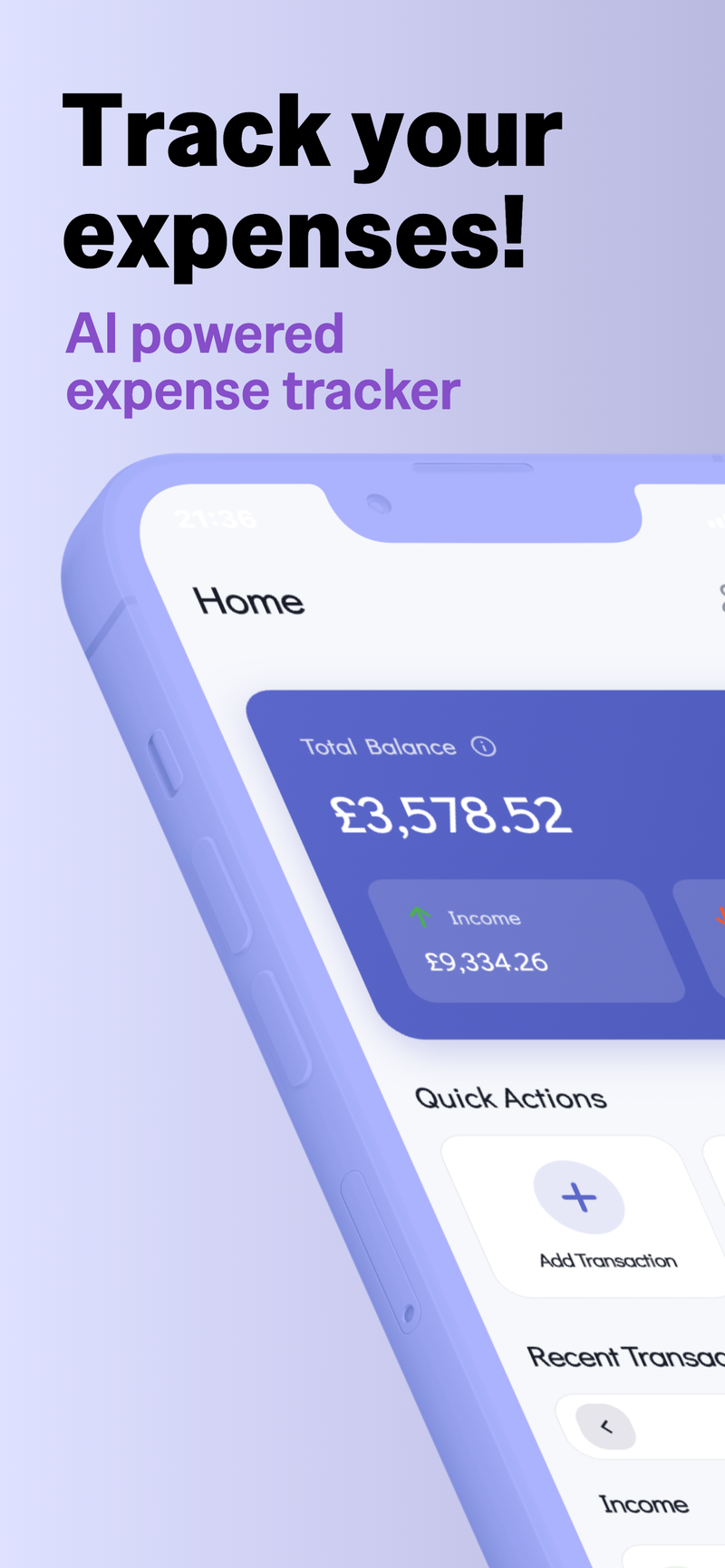
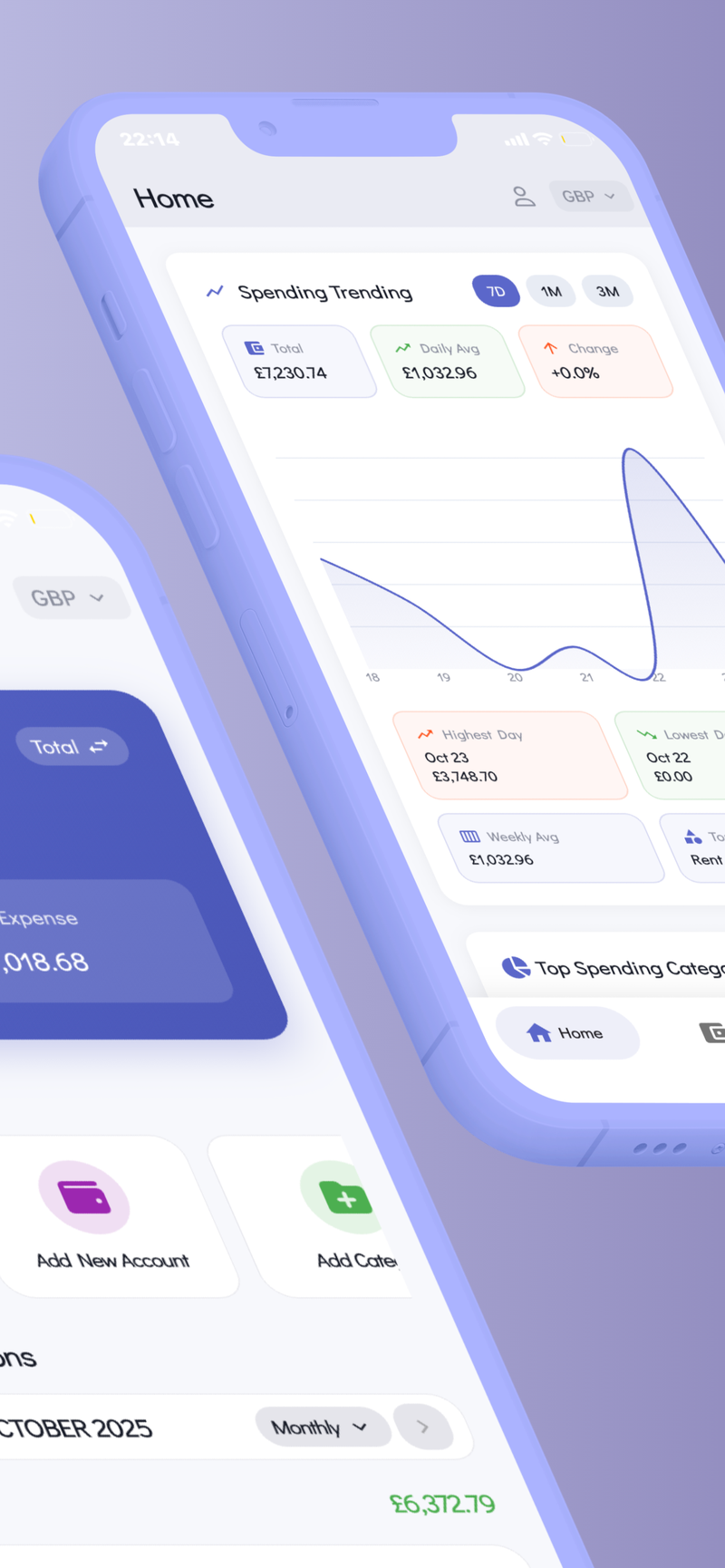
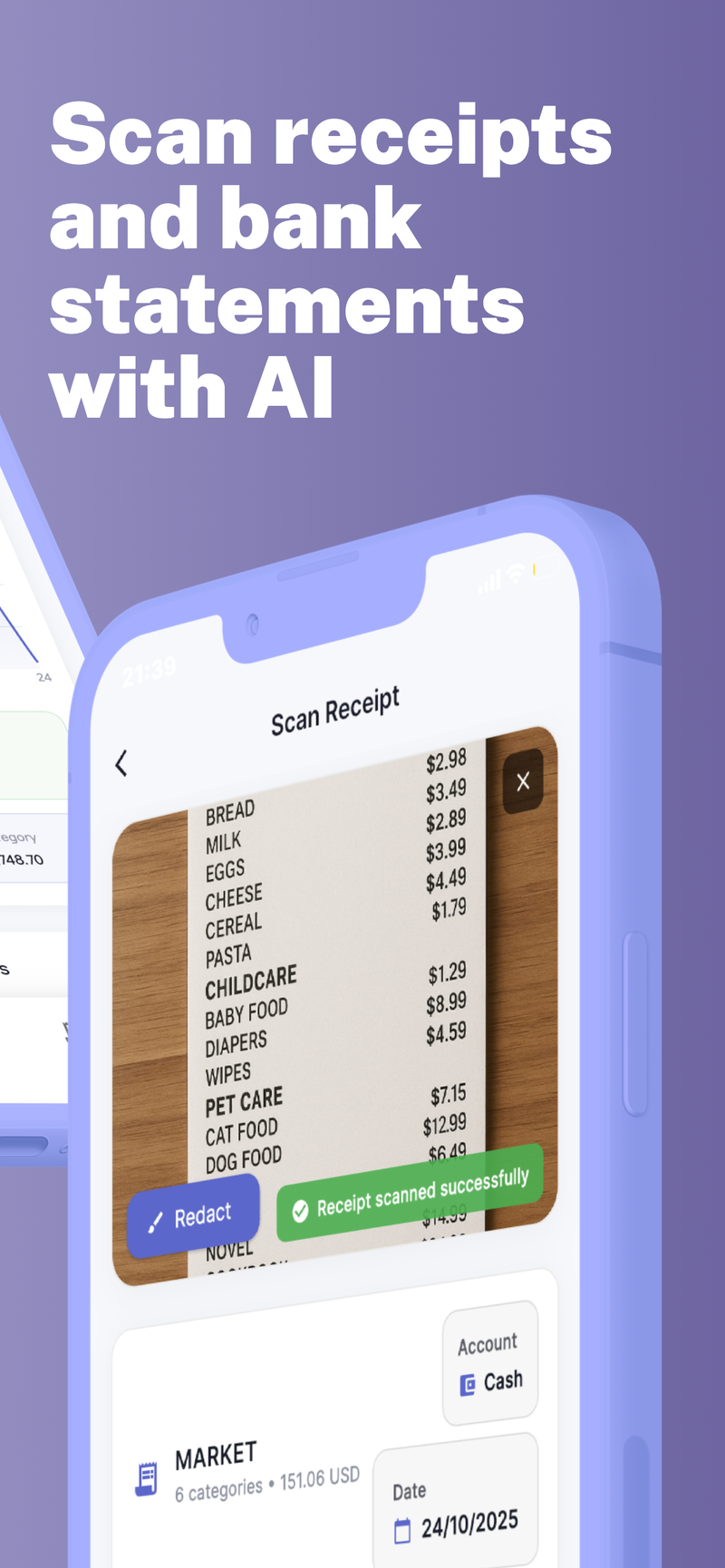
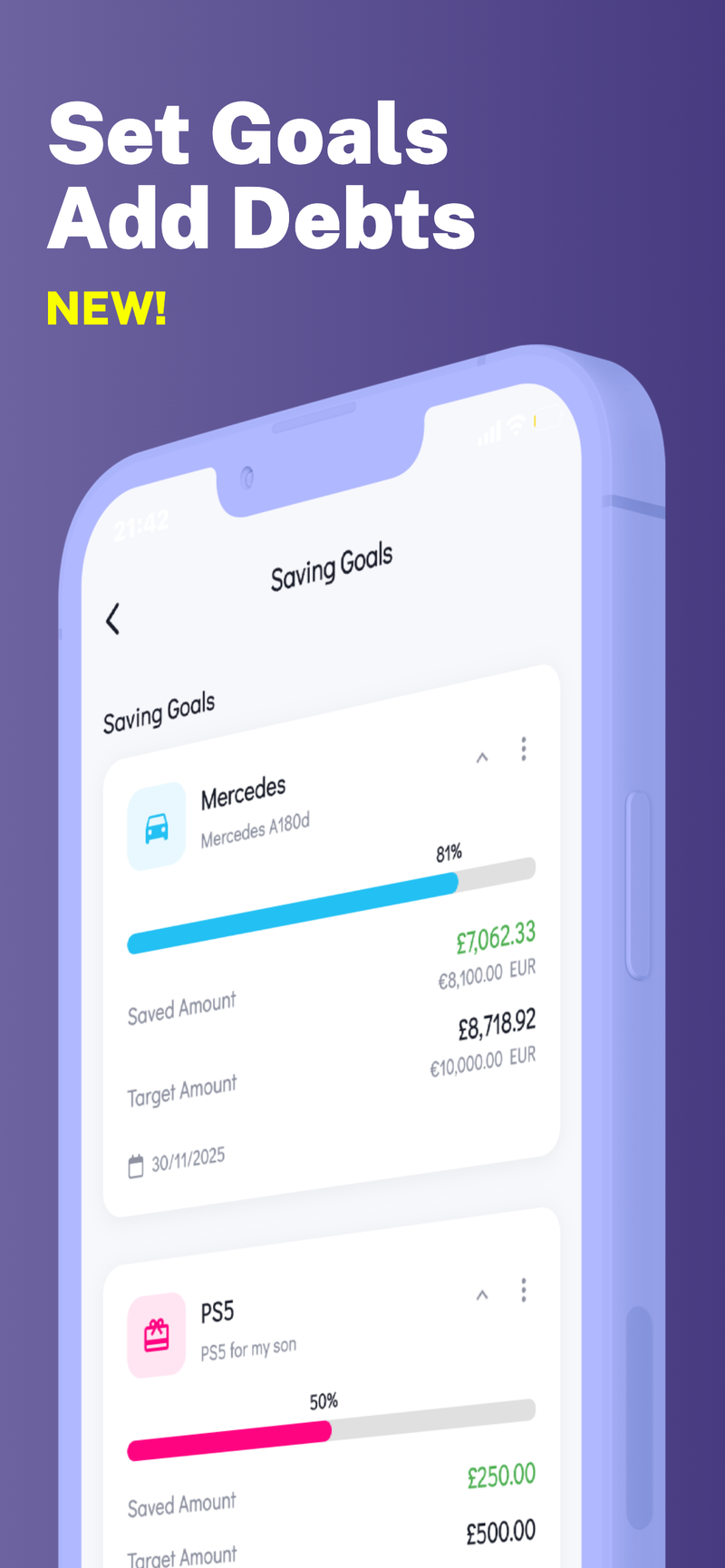

AI Receipt ScanningMulti-CurrencyBank ImportPrivacy-First
✨ Multi-Profile Support