Introduction
If your paycheck arrives on a schedule that isn’t always predictable, you’re not alone. Irregular pay can make saving feel impossible, even when you know it’s essential. The good news: you don’t need a perfect, month-to-month income to build a real safety net. You can design a system that adapts to what you actually earn, month by month.
This guide shares practical, actionable steps to define a realistic emergency fund target, map your essential expenses, and automate savings so you stay protected during lean months.
Main Content
Step 1: Define a realistic target for irregular income
Start with your essential expenses, not your total whimsies. The goal is to cover what you truly need for a set period when money is tight.
Suggested target: 3–12 months of essential expenses, depending on risk tolerance and job stability. For many households with variable income, 6–9 months is a solid starting point; 9–12 months is worth considering if job prospects are uncertain or you’re supporting dependents.Quick calculator: Target = essential monthly expenses × number of months you want in reserve.Example: If essential monthly expenses are $2,800 and you aim for 6 months, your target would be $16,800.Step 2: Map your essential monthly expenses
Clarify what you must pay every month versus what you’d like to have. This keeps the plan grounded when paychecks are late or smaller than expected.
Essential categories: housing (rent/mortgage, insurance), utilities, groceries, healthcare, transportation, minimum debt payments, childcare/eldercare, and any other non-discretionary costs.Non-essential spending: dining out, entertainment, subscriptions. Keep these out of the emergency fund calculation.Create a simple essential budget sheet with a line for each category and a monthly total.Step 3: Build a pay-cycle budget that adapts
Irregular income calls for an “income-aware” budget rather than a fixed, monthly budget.
Track income in a rolling window (last 6–12 weeks) to detect patterns: which months tend to be lean, which months are stronger.Define lean months as those where income falls below a chosen threshold (for example, below 90% of the six-month average).Your baseline should cover essential expenses for lean months. Use the surplus from strong months to fund the gap.Practice income smoothing: in months when earnings are above average, funnel the excess into the emergency fund; in lean months, rely on the fund rather than cutting essential spending.Step 4: Automate savings and transfers
Automation is your friend when paydays are unreliable.
Open a dedicated emergency fund account (or a separate savings bucket) that’s easy to access but not part of day-to-day spending.Schedule automatic transfers 1–3 days after each payday. Start with a conservative amount, then increase as income allows.Use a flexible rule: transfer at least the amount needed to cover lean-month shortfalls, and add extra in higher-income months.If your total income varies a lot, consider a fixed “minimum transfer” plus a variable top-up based on percentage of excess income.Step 5: Use buffers for unpredictable months
A well-sized buffer helps you navigate unexpected bills or late payments without touching the core fund.
Build the buffer to cover 1–2 months of essential expenses within the emergency fund.Use windfalls (bonuses, tax refunds, gifts) to top up the fund rather than spending them.Reserve portions of discretionary spending only after you’ve secured essential needs and the buffer.Step 6: Protect and review your fund
A growing fund works best when it’s protected and regularly assessed.
Keep the emergency fund in a separate savings vehicle, out of reach of everyday spending. This reduces the temptation to dip into it.Set a monthly review to re-calculate essential expenses and adjust the target if life changes (new housing costs, healthcare needs, or family size).Revisit your lean/monthly income thresholds every 3–6 months to stay aligned with reality.Quick-start plan (8 weeks)
Week 1: List all essential monthly expenses and identify non-essentials you can pause.Week 2: Calculate your target fund using your essential expenses and chosen months of coverage.Week 3: Open a dedicated emergency fund account and set up automatic transfers.Week 4: Start contributing at a comfortable pace; don’t stress if it’s small at first.Week 5: Run a lean-month scenario to test how the plan holds up.Week 6: Increase or adjust transfers based on your results.Week 7: Review income patterns; refine lean/month thresholds.Week 8: Do a mock “emergency” test to confirm everything functions smoothly.Conclusion
Building an emergency fund with irregular pay is about designing a system that matches how you actually earn money, not forcing a perfect monthly budget. By defining a realistic target, clearly mapping essential expenses, and automating savings around your pay cycle, you can create a cushion that keeps you afloat during lean periods and gives you peace of mind.
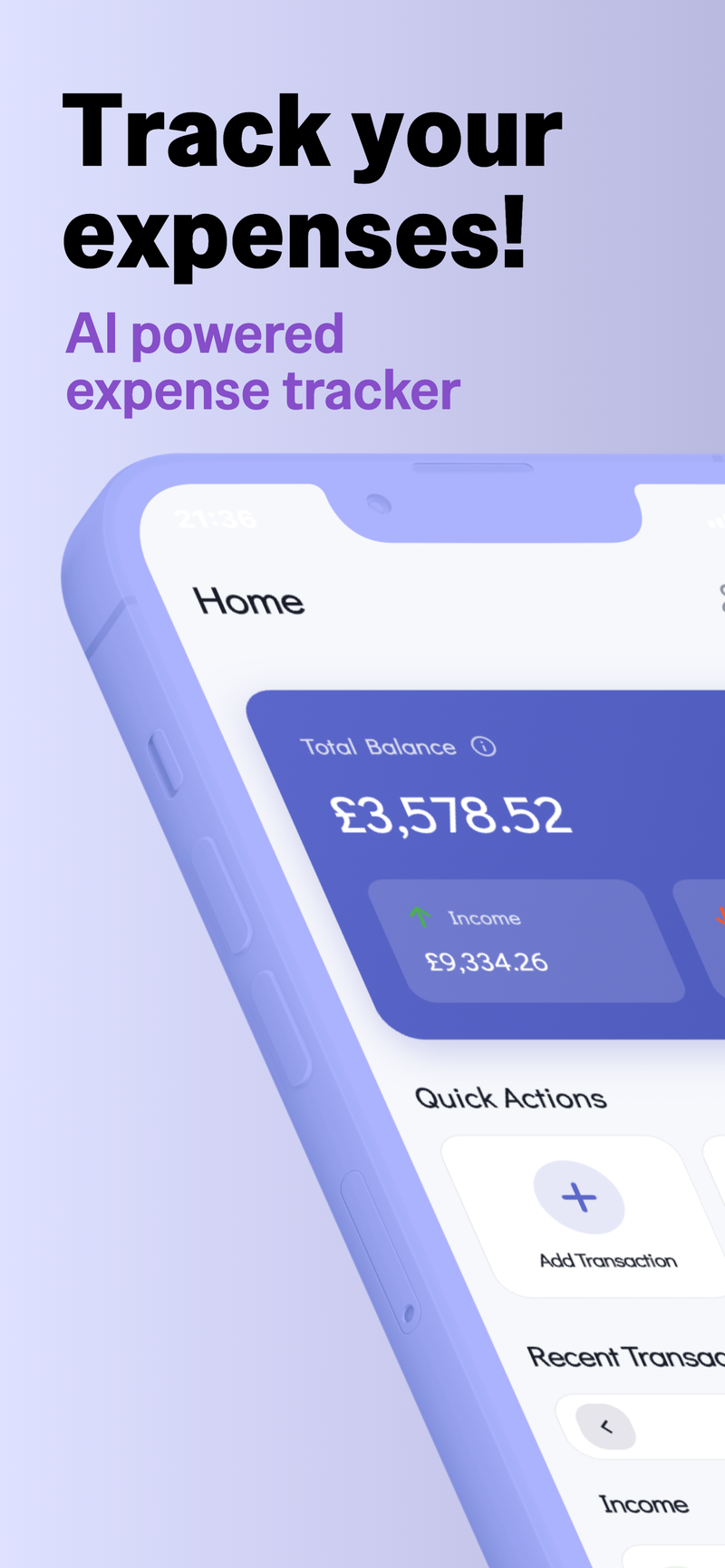
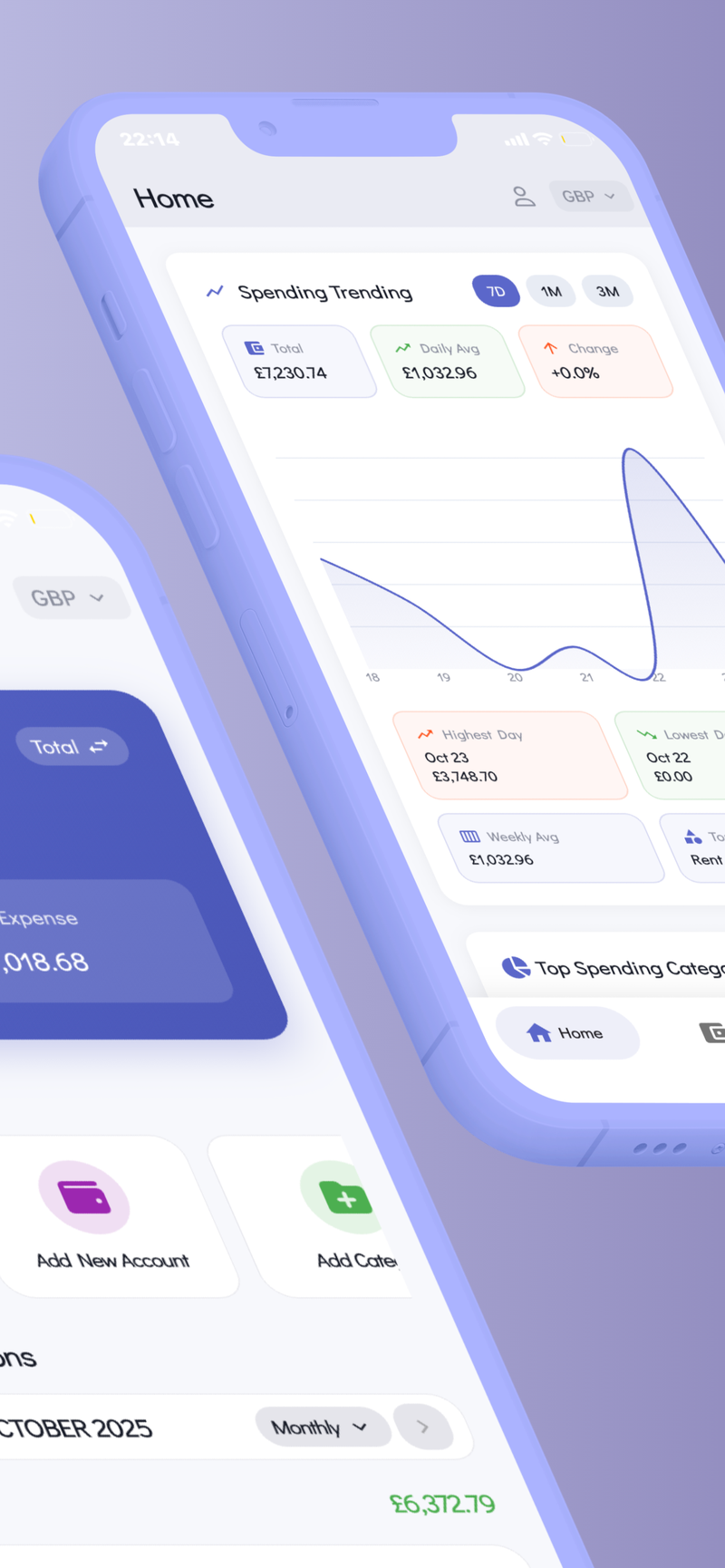
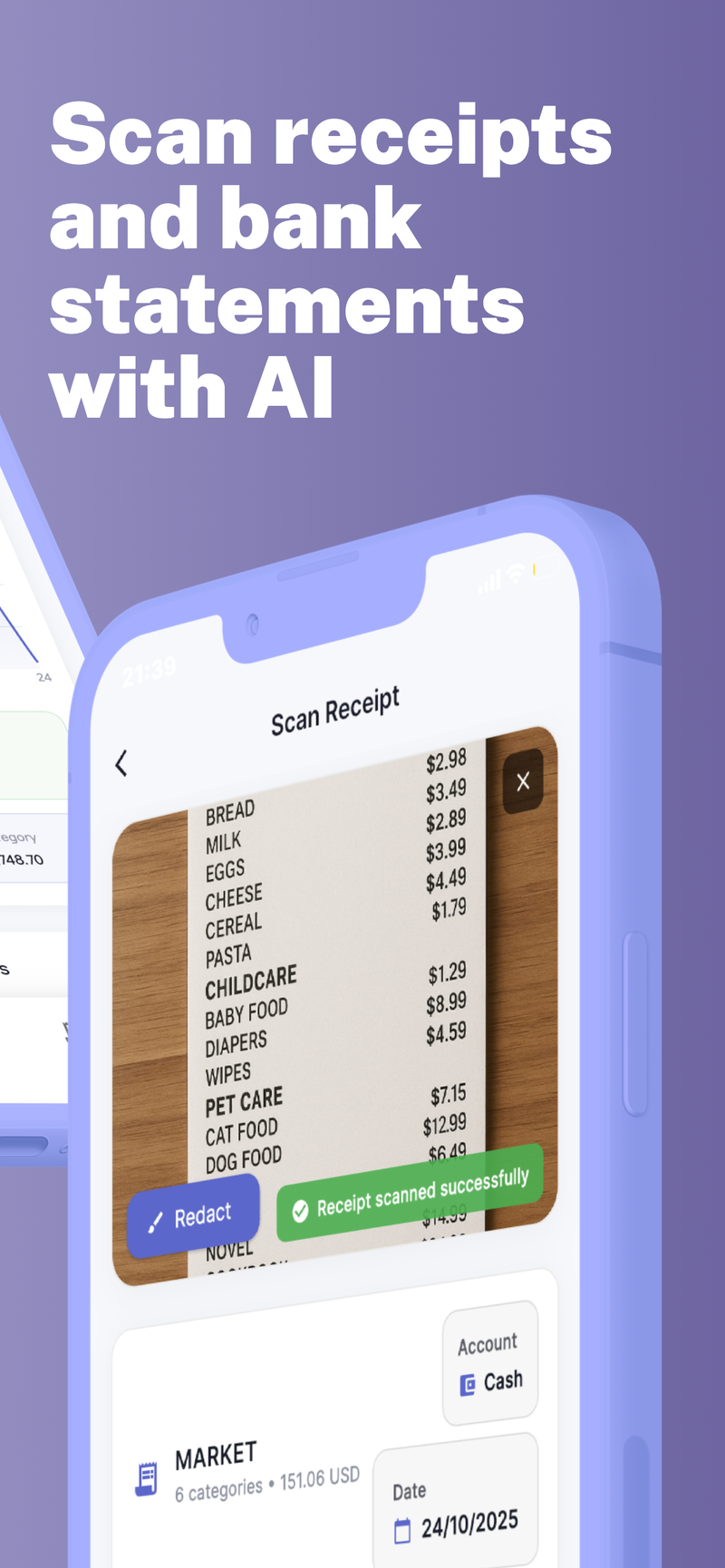
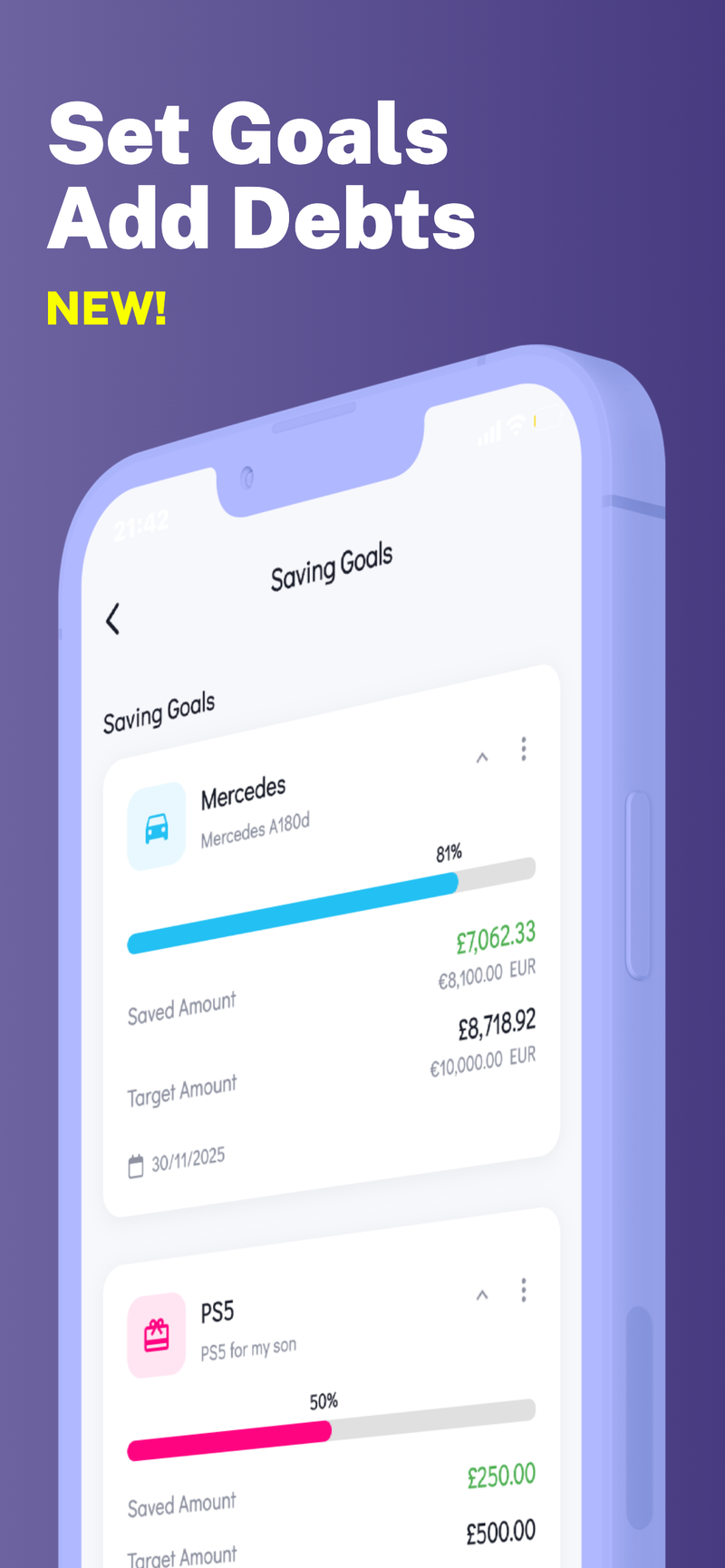
If you’re looking for a tool to help manage irregular income and keep this fund on track, Fokus Budget offers privacy-focused, on-device data storage and features like multi-profile budgeting to tailor the plan to your family’s needs. This kind of setup can help you stay disciplined while your money adapts to your life.