
Evening Routine to Cut Nicotine Cravings: Practical Guide
Evenings often trigger nicotine cravings for people quitting smoking or vaping. This practical guide offers a repeatable nighttime routine to reduce triggers, improve sleep, and support long-term quit attempts.
Introduction
If you’re trying to quit smoking or vaping, evenings can feel like the hardest part of the day. After dinner, the couch, and a few drinks or a long day’s stress can trigger strong urges to reach for nicotine. You’re not alone—many people find that cravings spike once the sun goes down, making relapse a real risk unless you have a plan.
The goal of this guide is to help you build a simple, repeatable evening routine that reduces triggers, supports sleep, and gives you clear choices when urges appear. Think of it as a lightweight toolkit you can adapt to your life.
Main Content
Why evenings are tough
Evening triggers are common. Routines like watching TV, finishing work, or winding down with a drink can pair with nicotine cues. Physiologically, withdrawal symptoms can peak within the first day after a quit attempt and gradually ease over the next couple of weeks. In the evenings, people often have more time to dwell on cravings, which can make urges feel stronger. The good news is that small, consistent changes to your wind-down can interrupt those patterns and reduce the chance of a relapse.
Designing your night-time plan
A practical plan rests on a few core ideas:
Step-by-step evening routine
Here is a flexible template you can tailor. Adjust times to fit your schedule.
1) Set a wind-down start time.
2) Hydrate and have a light, non-nicotine ritual.
3) Move for 5–10 minutes.
4) Do a quick craving-reaction exercise.
5) Plan tomorrow in writing.
6) Engage in a calm activity.
7) Prepare a wind-down cue to end the day.
8) The final bite: a short mindfulness or breathing practice.
9) Bedtime hygiene.
Coping with slips
Slip-ups are a normal part of quitting for many people. If you have an urge that feels unmanageable, use a simple pause: delay for 5–10 minutes, switch to your routine, and revisit your plan. After a slip, review what triggered it, adjust your cues, and re-enter your routine the next day. Consistency beats intensity: small, repeatable actions build lasting change.
Quick tips and tools
Tracking progress
Maintain a short, private log: what triggered the craving, what you did instead, how strong the urge was, and how you felt afterward. Review weekly to identify patterns and refine your routine. Small data points—like the time of day of cravings or the activities you used to cope—can reveal which changes are most effective for you.
Conclusion
Evening routines won’t erase cravings overnight, but they can shrink their power by changing cues, improving sleep, and giving you clear, healthier options. By building a predictable wind-down, replacing the habit with mindful activities, and tracking your progress, you create a sturdy framework for lasting change. If you’re looking for structured support to guide you through this process, Quit Smoking & Vaping can help with this, offering a guided onboarding flow and a personalized quit plan tailored to your goals.


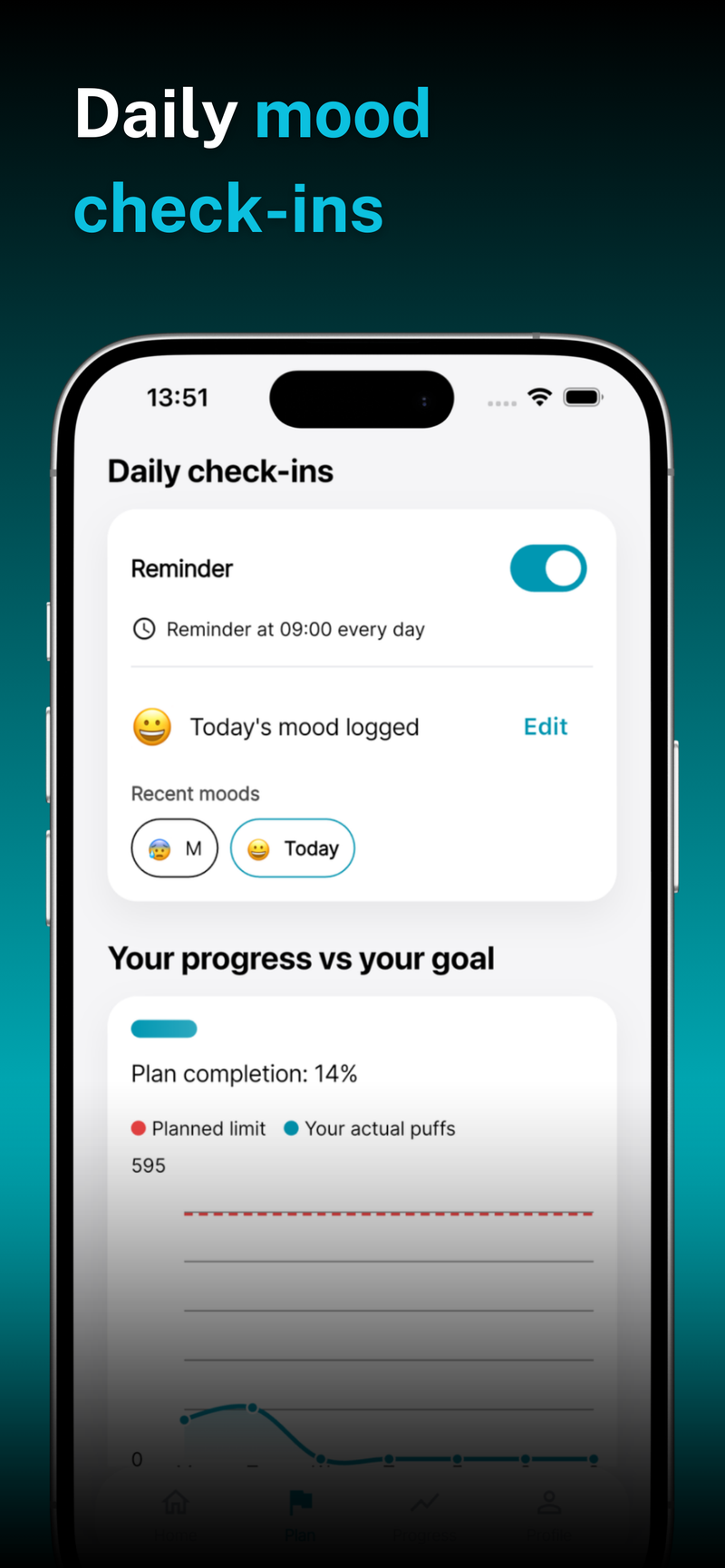

💪 Personalized onboarding and goal-setting to tailor your evening quit plan