
·Health
Evidence-Based Coping: 9 Tricks to Beat Nicotine Cravings
Nicotine cravings can be fought with practical, science-backed strategies. This guide lays out nine actionable tricks—ranging from delay and distract to environment tweaks and social support—to help you quit smoking or vaping more effectively. A thoughtful onboarding and personal setup can further tailor these techniques to your routine.
smoking cessationquit vapingcraving managementbehavioral strategieshealth and wellness
Introduction
Cravings can feel relentless, especially when you’re trying to quit smoking or vaping. You know the urge is about more than willpower—it’s a mix of biology, habits, and environment. The good news: evidence-backed coping strategies can reduce the intensity and frequency of cravings, and they don’t require miracle cures. Small, consistent steps add up over time.
Nine evidence-based tricks to beat nicotine cravings
These tricks are practical, actionable, and backed by research on quitting and craving management. Pick two or three to start, and add more as you feel ready.
Trick 1 — Delay and Distract
When a craving hits, give yourself a short delay (5 minutes) before acting. Use the time to shift focus.
Trick 2 — Mouth-to-hand Substitution
Keep something harmless accessible to satisfy the hand-to-mouth habit without nicotine.
Trick 3 — Track Triggers and Plan Ahead
Cravings often come with patterns. Identify when they tend to spike and prepare an alternative.
Trick 4 — Breathe and Ground Deeply
Breathing helps reset the nervous system during cravings.
Trick 5 — Honor the Urge, Don’t Act on It
Cravings often peak and fade on their own if you don’t act immediately.
Trick 6 — Change Your Environment
Small changes reduce passive triggers.
Trick 7 — Hydration, Sleep, and Nutrition
Body signals can masquerade as cravings.
Trick 8 — Seek Social Support and Accountability
You don’t have to quit alone.
Trick 9 — Use Added Tools and Medical Aids When Appropriate
Evidence supports combining behavioral strategies with medical aids for better success.
Putting tips into practice
Cravings are a normal part of quitting, not a personal failure. Focus on building a toolkit you can reach for in moments of need. Start with two tricks, track your results for a week, and then add more as you feel ready. Consistency, rather than perfection, matters most.
Conclusion: a path forward that fits you
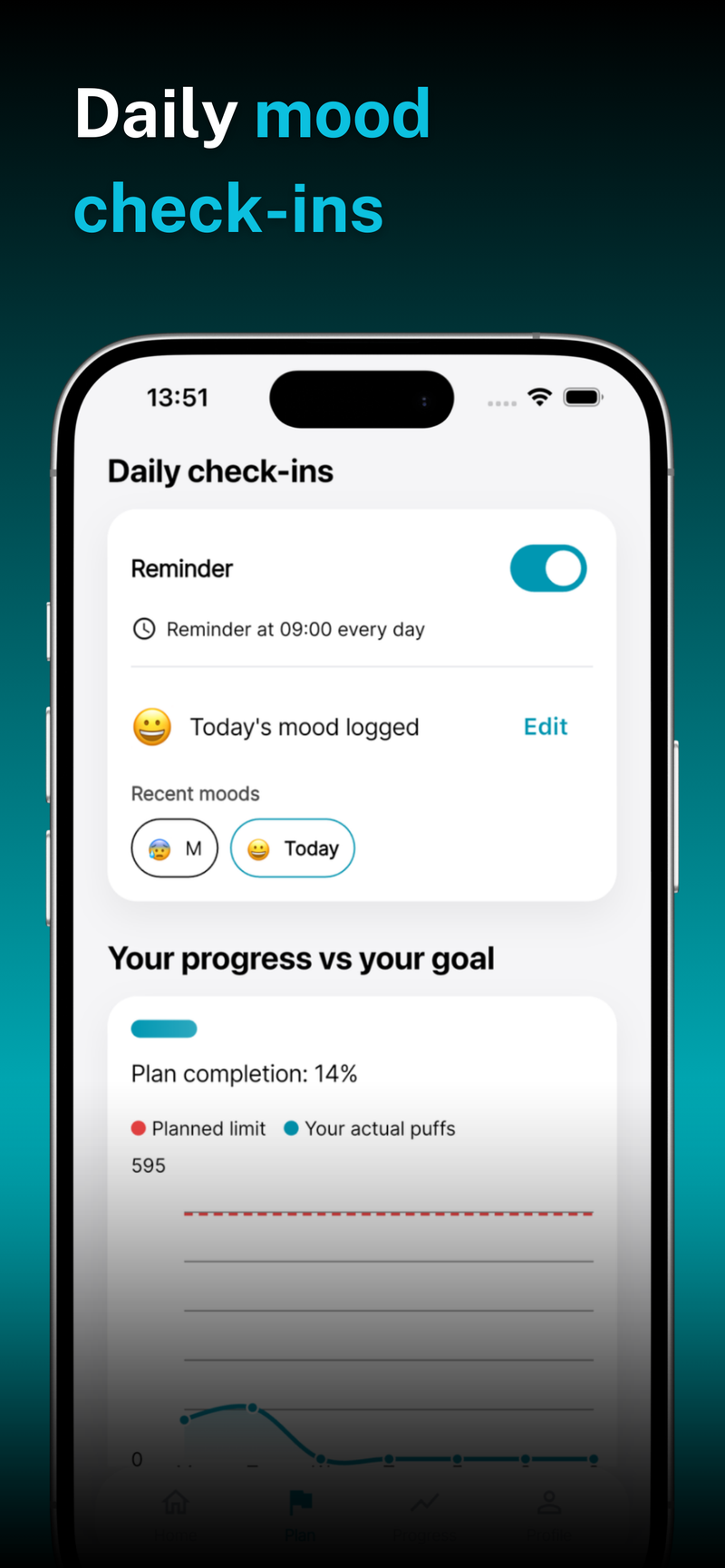
Quitting or reducing nicotine is a process shaped by biology, behavior, and environment. By applying these evidence-based tricks and gradually expanding your coping toolkit, you can reshape your relationship with nicotine one day at a time. If you’re looking for structured guidance to tailor this journey to your daily life, a guided onboarding and personal setup can help you map your product type, set a clear quit goal, and plan a sustainable timeline. Quit Smoking & Vaping can help with onboarding and personal setup, offering a thoughtful path to customize your plan around your habits and finances.



Daily MotivationProgress TrackingHealth MilestonesMoney Saved
💪 Onboarding & Personal Setup