
First 72 Hours After Quitting: A Practical Guide
Quitting is challenging, especially in the first 72 hours. This practical guide breaks down what to expect and offers actionable steps to manage cravings, protect sleep, and stay on track. You’ll find a simple, start-now plan that builds momentum day by day.
Introduction
Quitting smoking or vaping is a brave decision, and the first 72 hours often feel like the hardest part. You might notice physical changes, restless energy, or mood swings. The good news: with a clear plan, you can ride out these days and set yourself up for longer-term success. This guide gives you practical steps you can start today, with realistic expectations grounded in how withdrawal works.
The first 24 hours without nicotine
Nicotine withdrawal begins quickly. By the end of the first day, your heart rate and blood pressure start to normalize, and carbon monoxide levels drop as your lungs begin to recover from last night’s smoke or vape exposure. Cravings can surge in the first 30 minutes to a few hours and may feel strongest around typical triggers (morning coffee, after meals, social moments).
What you can do now:
Quick technique: urge surfing. Tell yourself, “This craving will pass in about 5 minutes.” Acknowledge it, ride it out, and shift to a competing action.
24–48 hours without nicotine
Cravings can intensify as nicotine leaves the bloodstream. The withdrawal “peak” often occurs during this window, and some people report headaches, fatigue, or irritability. You may notice breathing feels a bit tougher as airways start to work more efficiently again.
What to do in this window:
Tip: if you’ve used nicotine replacement therapy (NRT) or other aids, follow your clinician’s guidance. These supports can blunt intensity and help you ride the wave more smoothly.
48–72 hours without nicotine
By day three, bronchial tubes start to relax, and lung function can improve, making breathing feel easier. Energy often stabilizes, sleep can improve, and you may notice a growing sense of control. Cravings still occur, but they tend to be shorter and less frequent as your body adjusts.
To keep momentum:
At this stage, many people notice a real difference in smell, taste, and energy. Those improvements can reinforce your commitment to keep going.
A practical 72-hour plan you can start today
If you encounter a difficult moment, replace the smoking/vaping cue with a concrete action: step outside for air, do 10 squats, and drink a glass of water. The repetition builds resilience and makes the next craving easier to manage.
When to seek additional help or adjust your plan
If withdrawal feels overwhelming, or cravings persist beyond a few days with intense distress, consider talking with a healthcare professional about additional supports. Behavioral strategies, pharmacotherapy, or counseling can all play a role in building a sustainable quit plan. Remember, relapse is common and not a failure—simply a signal to adjust your approach.
The big picture: why the first 72 hours matter
Cravings are strongest in the first 2 days, but your body begins repairing within hours. By day 3, breathing improves, and your energy can start to rebound. Each smoked cigarette or puff you skip reduces your risk a little more and strengthens your resolve for the days to come.
Conclusion
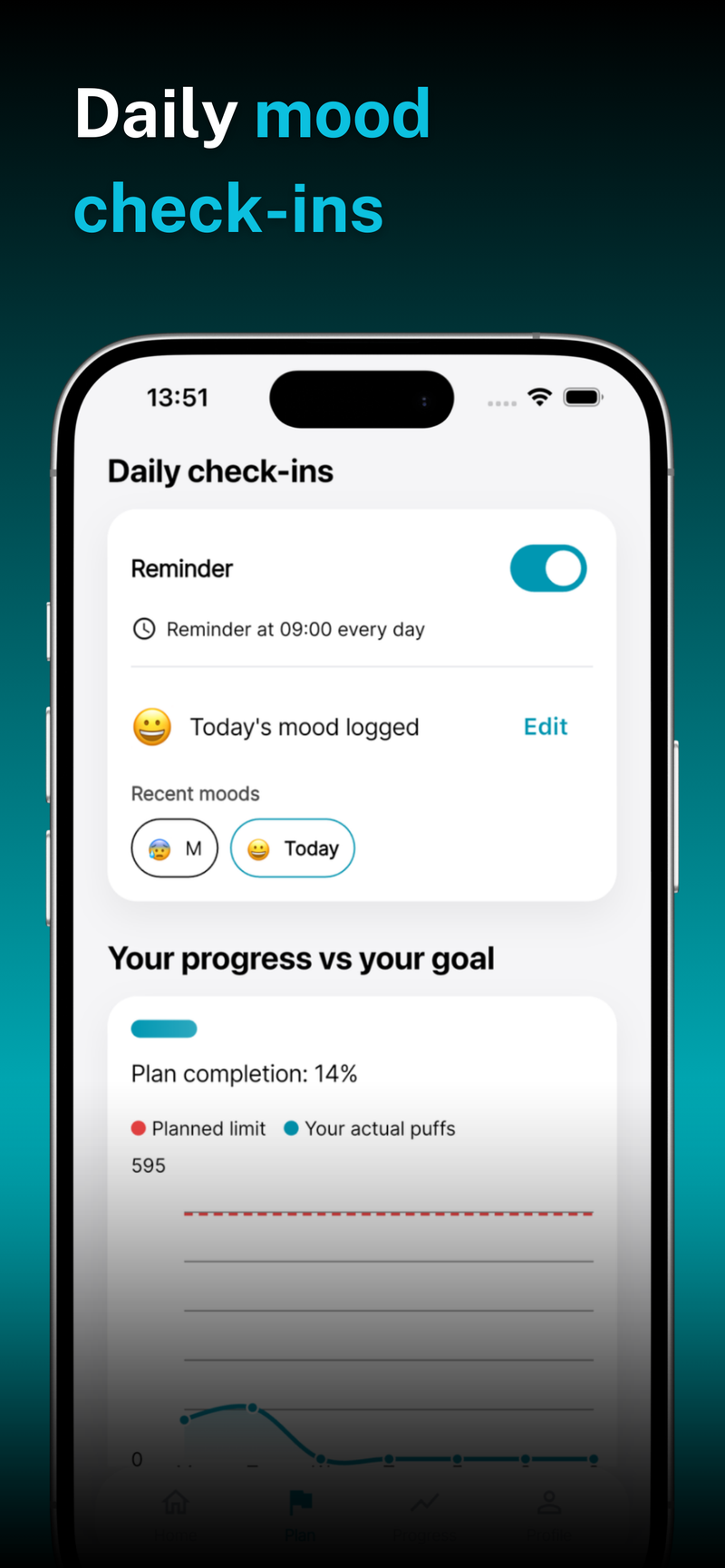
The path beyond 72 hours is steady, not perfect. With a clear plan, small daily wins, and the right support, you can move from surviving the first few days to thriving in the weeks ahead. If you’re seeking a structured, personalized approach to guide your quit journey, Quit Smoking & Vaping can help with onboarding and personal setup to tailor the plan to you.



💪 Onboarding & Personal Setup