Introduction
Are you tired of feeling like your family’s money vanishes before the month ends? You’re not alone. Between variable paydays, fluctuating grocery bills, and activity costs, cash flow can feel unpredictable. The good news: you don’t need a complicated overhaul—just five practical rules you can apply this year to bring more predictability, less stress, and more money for what matters.
Rule 1: Track every dollar
Money flows where attention goes. To gain control, start with visibility:
Create a simple ledger for income and every expense. Aim to capture at least 95% of transactions to avoid blind spots.Use three core categories: Needs, Wants, and Debt/Savings. A zero-based budget (income minus expenses equals zero) forces you to allocate every dollar.Do a weekly 10‑minute review. Update the ledger, identify small leaks, and adjust before the month slips away.Example: A family of four nets $6,000 a month. If housing costs are $1,800, groceries $700, transport $400, and everything else adds up to $2,900, you’ll see exactly where adjustments can be made to free up savings or tackle debt.Rule 2: Build a realistic budget that fits reality
Budgets fail when they ignore rhythms of real life. Start with a flexible framework and adjust as you learn:
Embrace a baseline that resembles your actual spending. The 50/30/20 rule is a helpful starting point: 50% needs (housing, utilities, groceries), 30% wants (dining out, hobbies), 20% savings/debt payoff. Many families use variations like 60/25/15 to reflect local costs.List fixed costs first (rent/mortgage, utilities, debt payments), then allocate discretionary spending. Include irregular expenses (car maintenance, gifts, back-to-school).Build a 12-month rolling forecast. Average your last year’s costs, adjust for known changes (new school year, vacations), and test the plan against your take-home income.Tip: set a monthly target for savings/debt payoff within the 20% bucket; automate transfers if possible to avoid reliance on willpower.Rule 3: Create emergency and sinking funds
Financial cushions reduce stress when life throws a curveball:
Emergency fund target: aim for 3–6 months of essential expenses. Start with a shorter goal (e.g., $1,000 or one month of essentials) and grow over time.Sinking funds address predictable costs (holidays, school fees, car maintenance). Name and schedule these funds so they’re ready when the expense hits.Practical steps:Open a separate savings sub-account or label bucket for emergencies and each sinking fund.Automate transfers or set calendar reminders to contribute regularly, even if the amount is small.Why it matters: buffers prevent debt when an unexpected bill arises and keep your long-term plan intact during occasional income dips.Rule 4: Prioritize debt smartly
Debt can erode cash flow fast, especially when high-interest balances linger:
List all debts by interest rate. Choose a payoff strategy: avalanche (highest interest first) minimizes interest; snowball (smallest balance first) builds momentum.Action steps:Make minimum payments on all debts except the one you’re attacking.Put any extra funds toward the highest-interest debt; once that’s paid, roll those payments into the next target.Consider consolidation or refinancing options if they reduce overall interest and simplify the payment schedule.Realistic example: If a credit card carries a double-digit APR and a personal loan is under 10%, directing extra payments to the card first can save significant interest over time.Keep expectations honest: consistency beats bursts of intense effort. Small, regular extra payments compound into meaningful progress.Rule 5: Involve the whole family and set shared goals
Money conversations should be practical, not punitive:
Schedule a regular family money date (monthly or biweekly). Review progress, celebrate milestones, and adjust goals as life changes.Assign roles based on age and ability (who tracks expenses, who updates the plan, who plans meals or activities within budget).Create a simple visual tracker (a whiteboard or a shared chart) so everyone sees how close you are to goals.Link goals to tangible outcomes (a family vacation, new furniture, a college fund). When goals feel achievable, motivation follows.Research and experience suggest families that communicate about money regularly are more likely to save and stay on track, even when income fluctuates.Conclusion
Mastering family cash flow isn’t about heroic sacrifices; it’s about consistent, small actions that align with your values. Start by tracking every dollar, building a realistic budget, creating emergency and sinking funds, tackling debt prudently, and inviting the whole family into the process. Over a few months, you’ll likely notice less stress, more predictability, and real progress toward your goals.
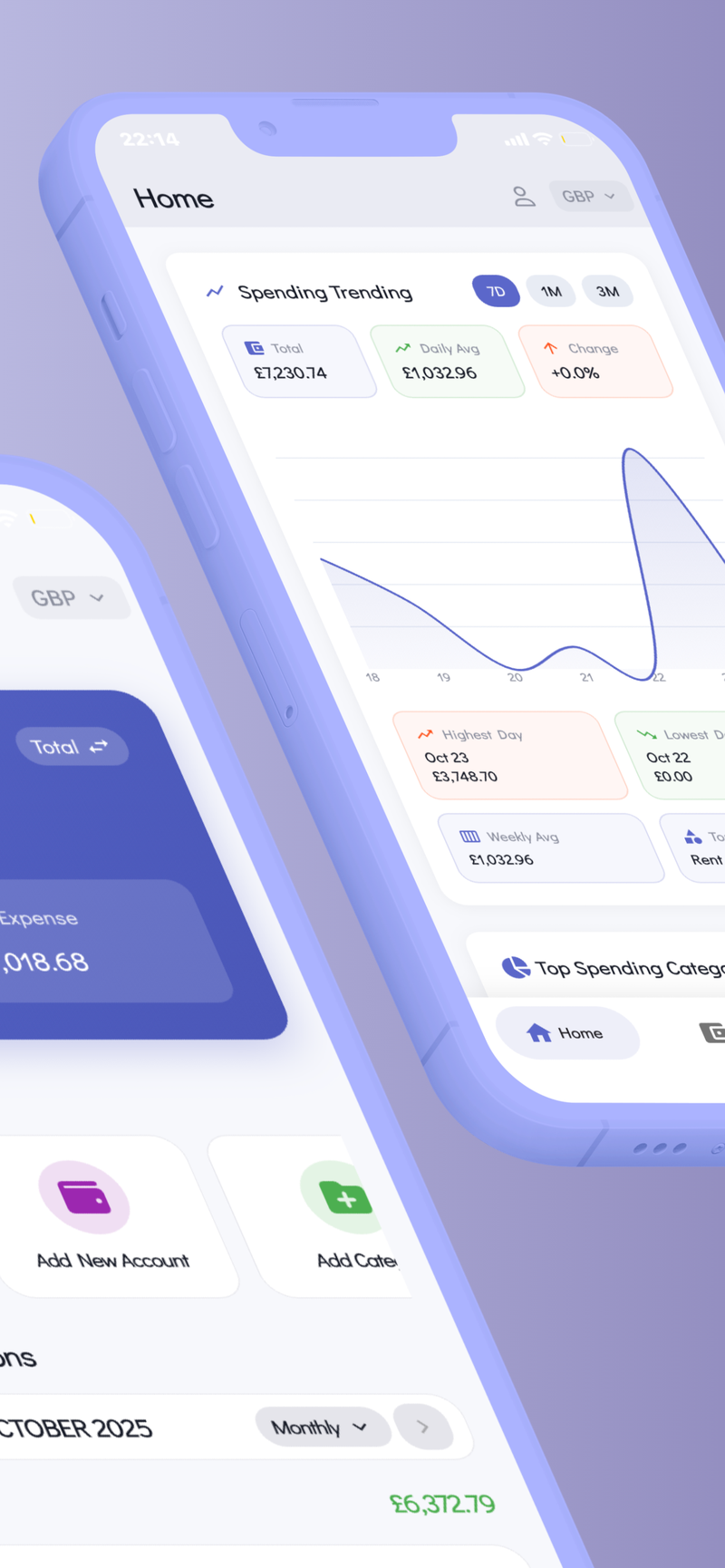
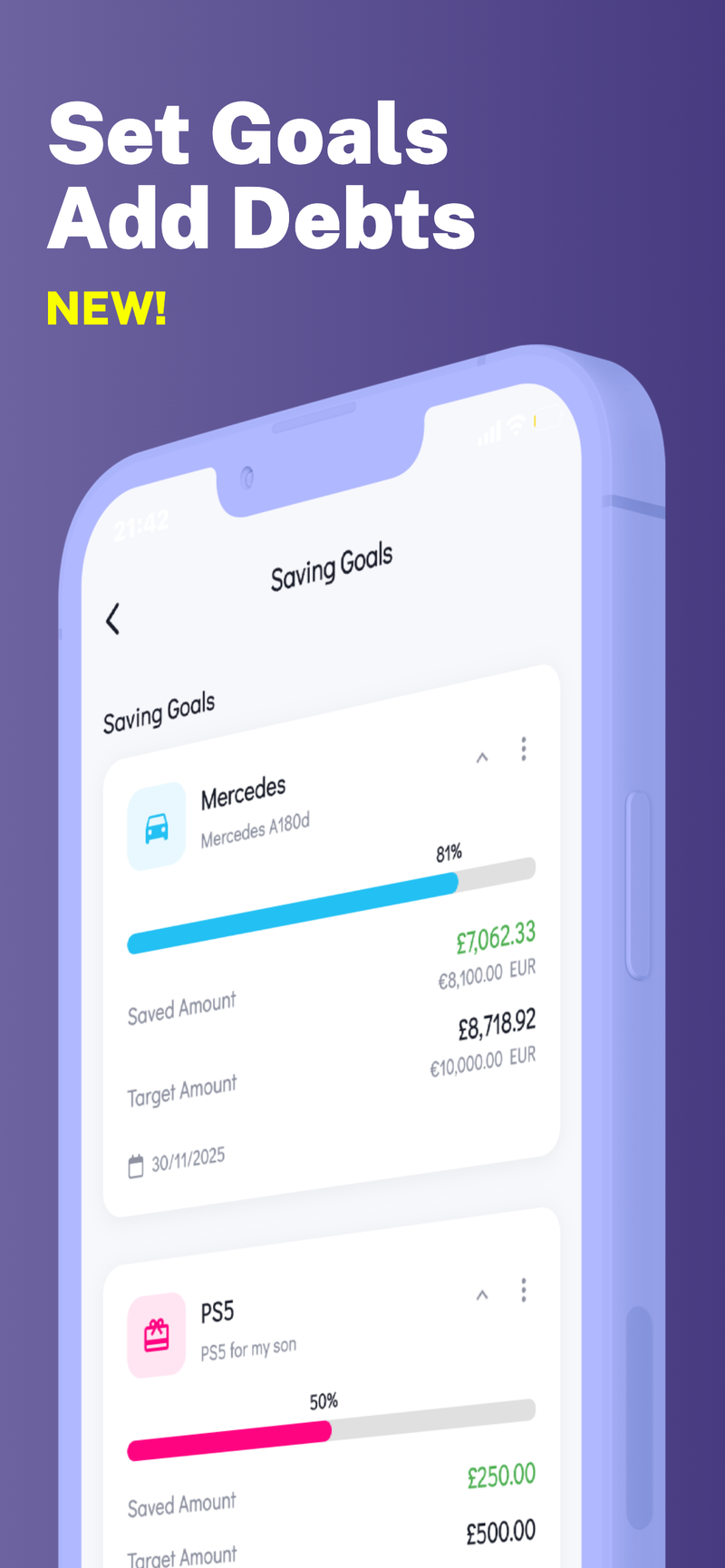
If you’re looking for a practical helper to keep family budgets aligned while keeping sensitive data private on your device, Fokus Budget offers features like Multi-Profile Support to manage up to five profiles, making it easier to coordinate across family members. Consider trying a tool that supports the way your family actually handles money—and see how your new rules feel in real life.