
·Budgeting
From Budget Chaos to Clarity: 14-Day Family Budget Reset
Feeling overwhelmed by receipts and fluctuating budgets? This 14-day family reset offers a practical, day-by-day plan to bring clarity, cut waste, and build sustainable money habits for the whole family.
budgetingfamily-financespersonal-financemoney-managementbudgeting-tips
From Budget Chaos to Clarity: 14-Day Family Budget Reset Is your budget a jumble of receipts, subscriptions, and vague goals? You’re not alone. Many families feel overwhelmed when money, schedules, and needs collide. A focused, two-week reset can turn chaos into clarity—without guilt, drama, or DIY chaos. This plan provides practical steps you can implement with your family starting today. ## Week 1: Foundations ### Day 1 — Set intentions and baseline - Define two to three concrete goals (e.g., build a $1,000 emergency fund, pay off a small debt, start a family vacation fund). - Gather recent statements (last 90 days) and list fixed costs (rent/mortgage, utilities) vs. variable costs (groceries, dining, entertainment). - Quick rule of thumb: the 50/30/20 starting point (50% needs, 30% wants, 20% savings/debt). Use it as a framework, then tailor to your reality. ### Day 2 — Track every expense for 72 hours - Log every purchase, no matter how small. Small leaks add up. - Create simple categories: Needs, Wants, and Savings/Debt. - Review two surprising findings: any recurring charges you forgot about, and any “just this once” purchases that slipped in. ### Day 3 — Define targets by category - Set monthly targets for major buckets: Housing, Food, Transport, Bills, Debt, Savings, and Fun. - Example starter targets (adjust to your income): Housing 25-35%, Food 10-15%, Transport 5-15%, Debt/Savings 15-25%, Leftover for Fun and Misc. - Write them on a single sheet your family can reference. ### Day 4 — Establish guardrails - Agree on a simple rule: no new debt unless a plan exists to cover it (and a savings buffer is in place). - Decide what to do when you’re close to budget limits (e.g., pause nonessential spending for the rest of the week). - ### Day 5 — Try the envelope/digital fund approach - Create two or three main funds: Needs, Flex/Wants, and Saving-for-Now (or Sinking Funds for future costs). - Move a fixed amount into each fund weekly; use cash or a dedicated digital balance to reinforce discipline. ### Day 6 — Meal planning to cut waste - Plan meals for the next 7 days, write a shopping list, and batch cook when possible. - Aim to reduce grocery waste by 20% this week through precise portions and leftovers. - Track grocery savings: compare estimated vs. actual spend. ### Day 7 — Family check-in - Hold a 30-minute weekly budget meeting. - Review progress: what worked, what felt tough, and what to adjust next week. - Celebrate small wins (even saving a few dollars is progress). > Why this matters: keeping a budget visible and collaborative reduces resistance. Tracking often reveals a 10-20% discretionary leakage that can be redirected toward goals. ## Week 2: Action and automation ### Day 8 — The 2-jar method in practice - Revisit Needs vs. Wants funds; ensure every dollar has a home. - Transfer a fixed weekly amount to each fund and commit to using that money only from its jar or balance. - Use a simple receipt log to confirm where every dollar went. ### Day 9 — Build sinking funds for upcoming costs - List upcoming annual expenses (birthday presents, car maintenance, school supplies). - Allocate small, regular contributions to separate sinking funds so big costs won’t derail the budget. - Automate contributions if possible, even a small amount weekly adds up. ### Day 10 — Automate and sync - Set up automatic bill payments for fixed costs to avoid late fees. - Schedule a 15-minute weekly review to reconcile planned vs. actual spend. - Align any automatic transfers with your goals (e.g., a steady savings cadence). ### Day 11 — Debt strategy (choose a path) - If debt exists, pick a strategy: debt avalanche (highest interest first) or debt snowball (smallest balance first). - Commit to paying at least the minimums, plus a focused extra payment toward the chosen target. - Reevaluate progress at the end of Week 2. ### Day 12 — Review and adjust - Compare your actuals to your targets. Where did you overperform or underperform? - Reallocate any surplus to the most pressing goal (emergency fund, debt, or a sinking fund). - Update the family budget sheet so it reflects current realities. ### Day 13 — Shopping smart and meal optimization - Use the meal plan as your shopping guide; avoid impulse buys with a strict list. - Batch-cook a couple of meals to save time and reduce waste. - Look for small, repeatable savings (store-brand options, bulk purchases, loyalty discounts). ### Day 14 — Maintenance plan and celebration - Set a simple, recurring budget review: 15 minutes weekly, 30 minutes monthly. - Capture a clear next-step for each family member (who handles what task and when). - Acknowledge progress and set a modest goal for the next month (e.g., add $50 to savings each week). ## Why this approach works - It’s practical, not punitive. Small, consistent steps reduce overwhelm. - Involving the family increases accountability and commitment. - A simple framework (Needs, Wants, Savings) keeps decisions focused and fast. - Automation and sinking funds prevent big shocks from upcoming costs. ## Quick tips to boost results - Log receipts immediately or use a daily 5-minute reconciliation ritual. - Keep a visible budget board or sheet in a common area. - Prioritize needs over wants, but build a small, predictable fun category to prevent resentment. - If money feels tight, start with a 1-week sprint before expanding to a 2-week plan. ## Conclusion A two-week reset won’t magically fix every financial challenge, but it creates momentum, clarity, and shared purpose. By baselining your spending, establishing simple rules, and building consistent habits, your family can move from scattered receipts to a clear path forward. If you’re managing budgets for multiple family members or want a private, on-device tool that helps keep these plans organized, consider a solution that supports multiple profiles and keeps data secure. Fokus Budget can help with this, offering Multi-Profile Support
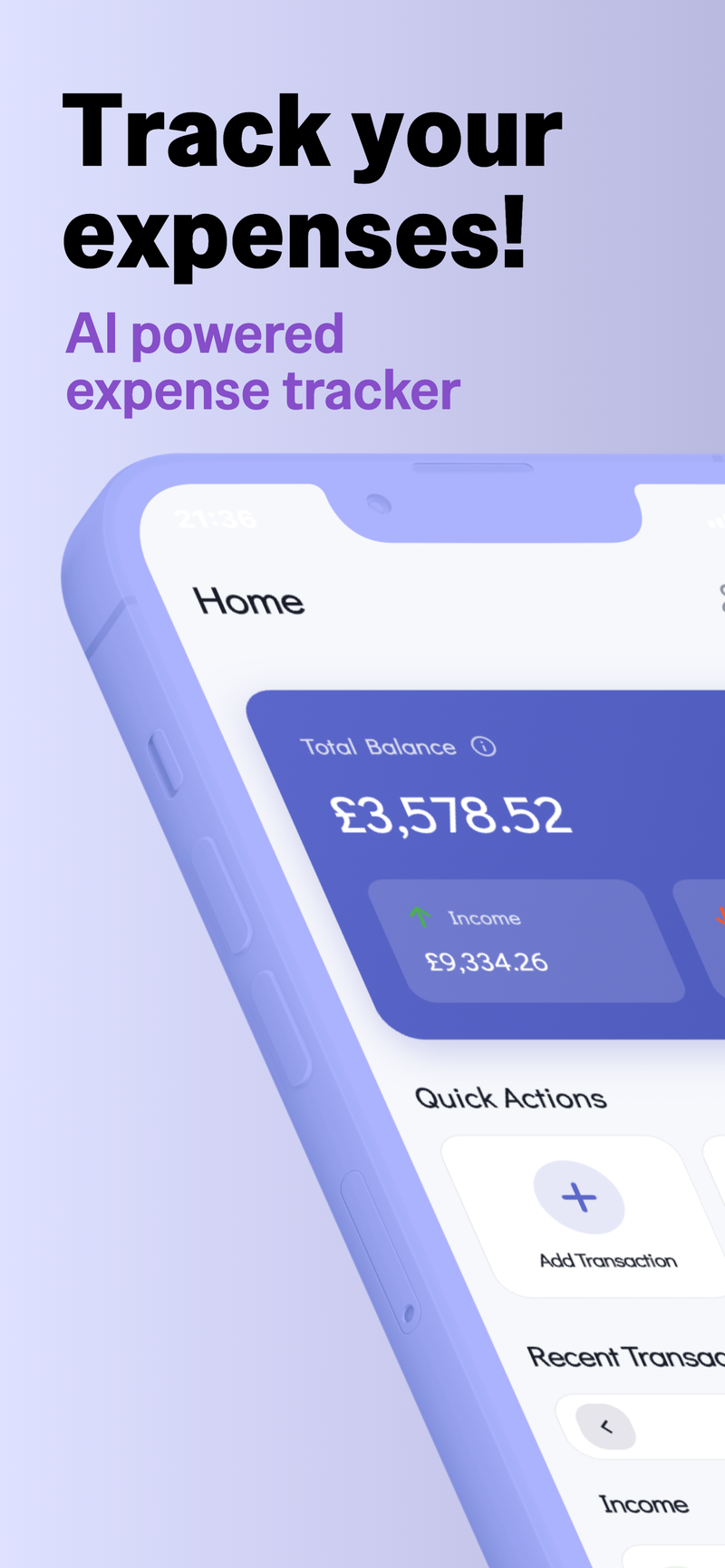
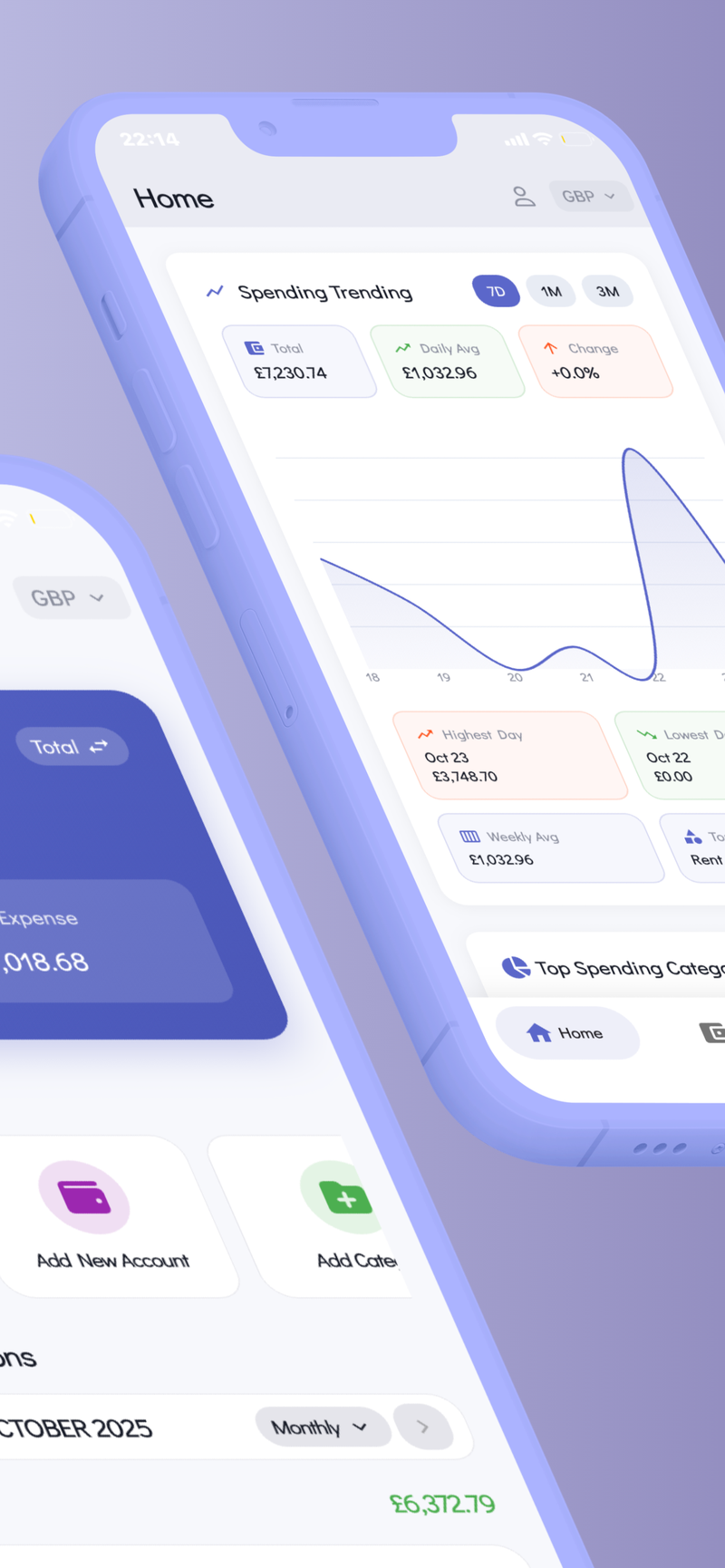
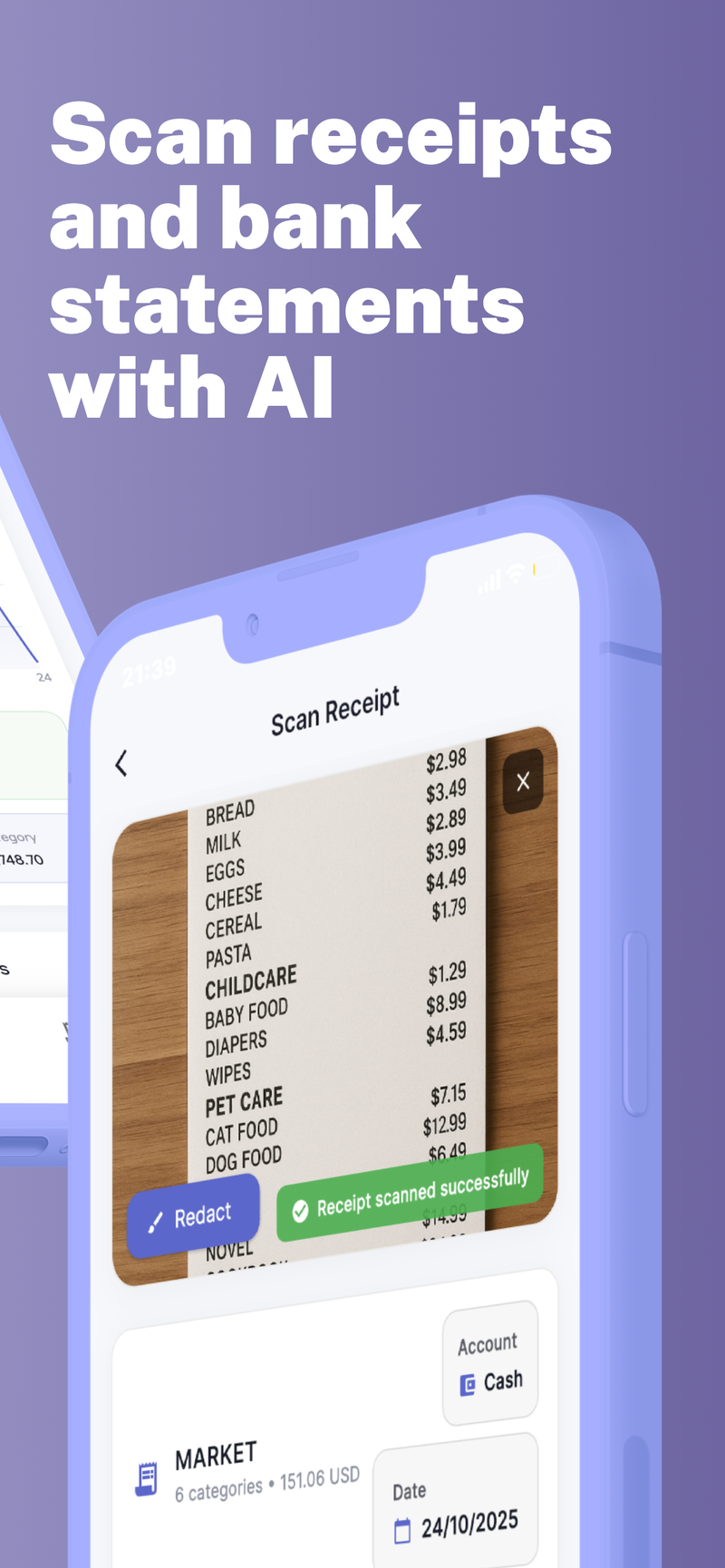
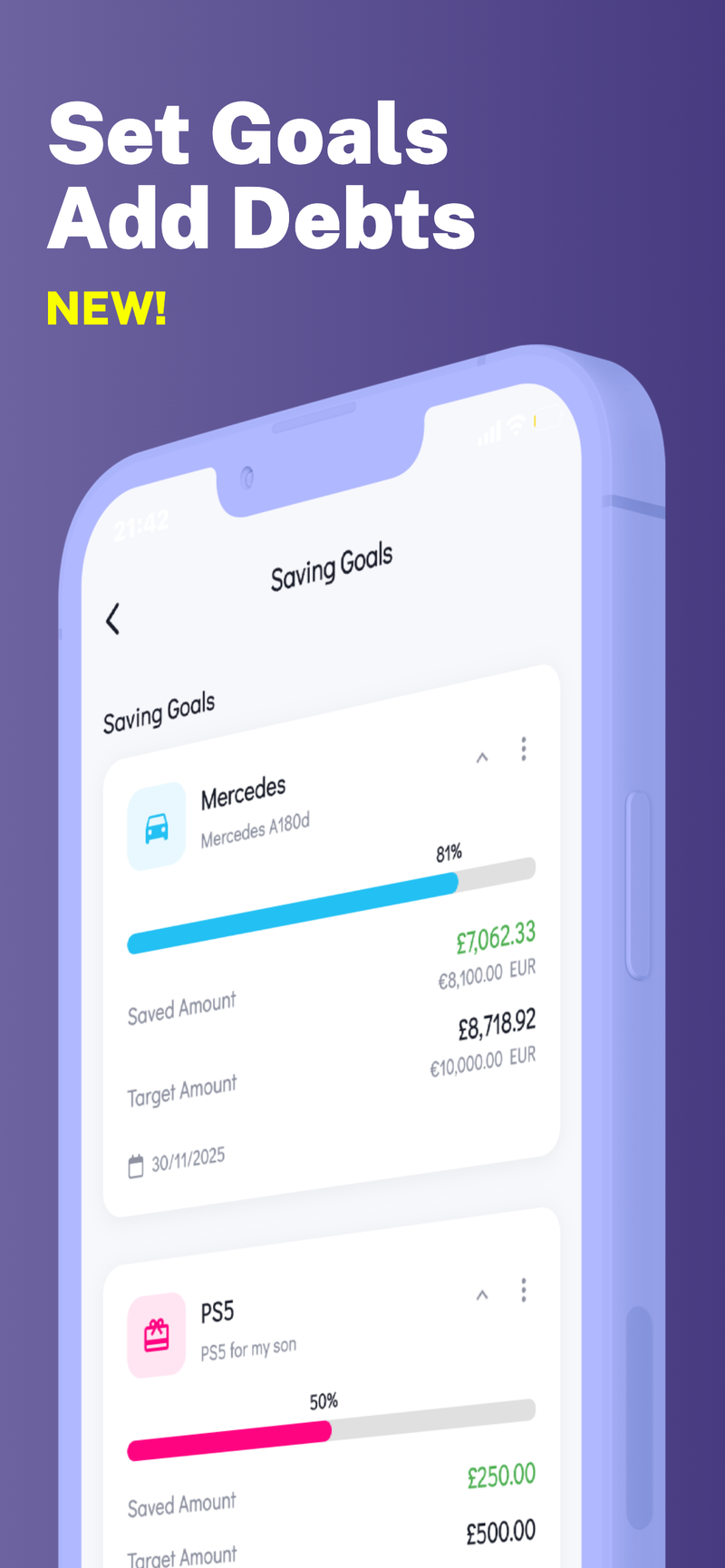

AI Receipt ScanningMulti-CurrencyBank ImportPrivacy-First
✨ Multi-Profile Support