
Get Your Partner Onboard With a Family Budget Plan That Sticks
Struggling to include your partner in budgeting? Learn practical, step-by-step strategies to align goals, simplify your plan, and keep money talks constructive.
Introduction
Are money talks at home a source of tension? If you and your partner often butt heads over receipts, budgets, or who spends what, you're not alone. Many couples find it easier to dream about financial goals than to agree on a plan to reach them. The good news is that a shared budget doesn't have to feel like a power struggle. It can be a clear, compassionate framework that aligns your values and supports the life you want to build together.
In this guide, you’ll find practical, realistic steps to bring your partner on board with a family budget plan that actually sticks.
Why this is hard for many couples
These realities don’t mean you’re doomed to conflict. They simply highlight the need for structure, trust, and a shared language around money.
A practical blueprint to bring your partner into the loop
Start with a joint goal session
This session isn’t a performance review; it’s a chance to align values and set directions you both can celebrate.
Map out the basics together
A simple, shared map creates transparency and reduces the need for nagging reminders later.
Establish rules of engagement
Rules reduce friction by turning spontaneous spending into a planned conversation rather than a clash.
Set up a simple budget that both can see
The goal is visibility. If either partner can see the numbers in plain terms, the conversation becomes about decisions, not accusations.
Schedule regular check-ins
Short, regular conversations beat long, infrequent debates. They also help you adapt to life changes—salary adjustments, new expenses, or shifted priorities.
Tools and habits that help
Practical habits align daily behavior with long-term goals, turning a budget from a burden into a shared project you both care about.
Common mistakes to avoid
By staying mindful of these pitfalls, you can keep the process collaborative and constructive, even when tempers run high or plans need adjustment.
Real-life scenario: turning goals into action
Sara and Miguel wanted to save for a home while paying down credit card debt. They spent an hour clarifying their top three goals, then used a simple shared spreadsheet to list monthly incomes, fixed costs, and a debt-paydown plan. They agreed on a modest weekly spending allowance for both and set a 6-month target for emergency fund growth. After two months, they celebrated small milestones together and adjusted the plan when Miguel’s work hours fluctuated. The budget wasn’t perfect, but it was something they could actively manage and feel good about.
Conclusion
Getting your partner on board with a family budget plan starts with empathy, clear goals, and a simple, repeatable process. Start with a dedicated goal-setting session, map out the basics together, define rules for decisions, and build in regular check-ins. Keep the plan visible, fair, and flexible enough to adapt to life changes. By focusing on collaboration, you turn budgeting from a source of tension into a cooperative path toward shared security and dreams.
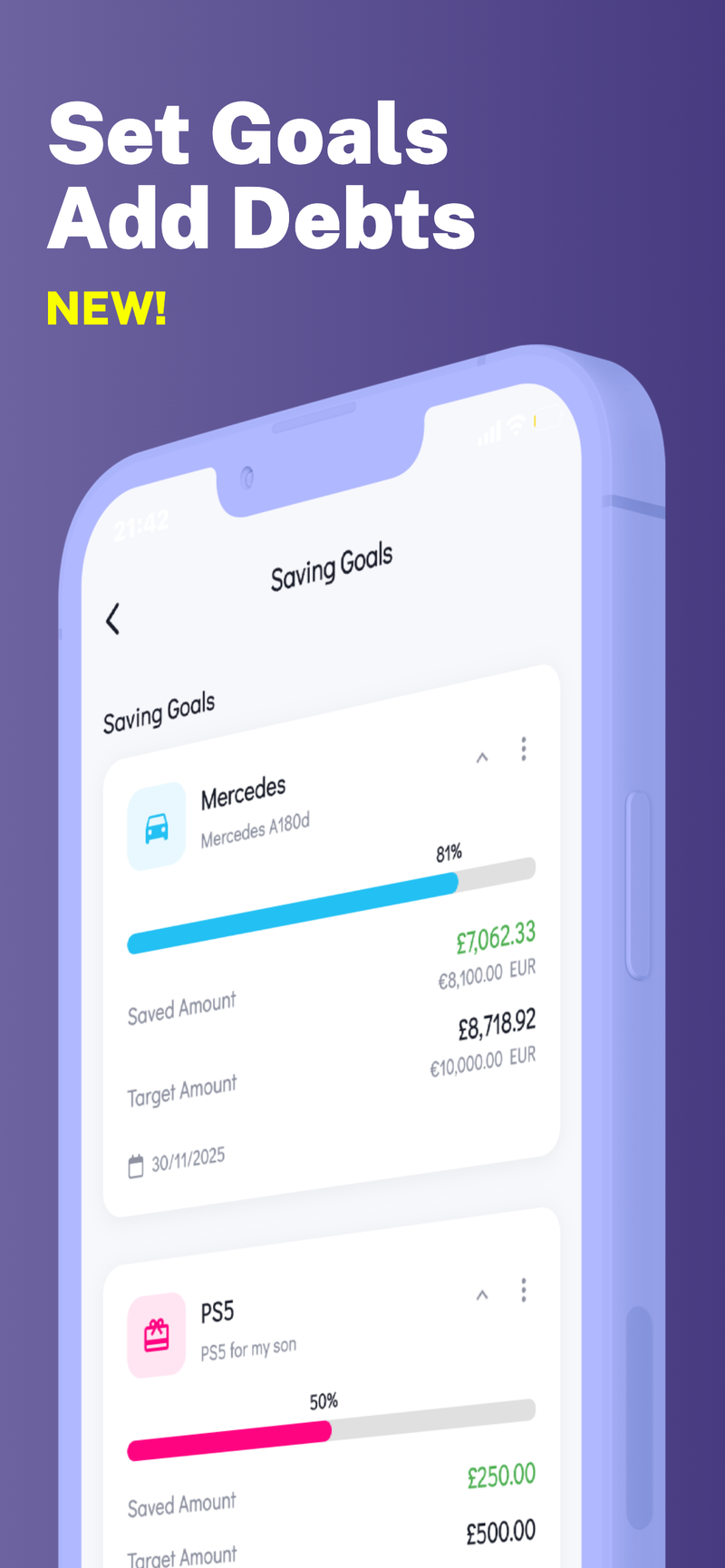
If you’re looking for a privacy-first way to manage family budgets across multiple profiles and currencies, Fokus Budget can help with this. It offers robust features to keep each family member aligned while protecting your data. Think of it as a practical support tool for the next step in your budgeting journey.




✨ Multi-Profile Support