Introduction
You're not alone if your monthly budget feels more like a hopeful estimate than a plan. Rising costs, irregular income, and a never-ending list of small expenses can make any budget feel out of reach. A sustainable family budget isn't about cutting joy; it's about clarity, small, repeatable steps you can actually keep.
In this guide, you'll find a practical framework you can implement this month: track spending, set realistic rules, build buffers, and review regularly. The goal is to create a budget your family can live with, not a rigid rulebook.
Main Content
1. Start with real spending data
Track every expense for 2-3 months to see the true picture, not the ideal.Group spending into Essentials (housing, utilities, groceries, healthcare), Obligations (debt payments, insurance), and Wants (dining out, hobbies).Create a simple baseline in one sheet: list categories and actuals. For example, groceries, transport, and subscriptions.Use these numbers to set your first draft budget. If your family of four lives in a high-cost area, you might see groceries and transport taking a larger share; adjust accordingly.2. Create a flexible but realistic budget
Start with a framework that fits your life: 50/30/20, zero-based, or a blended approach. Pick one and test it for 3 months.Separate your spending into Needs, Savings/Debt, and Wants. Give every dollar a job.Build in a buffer: if a category goes over, where can you reallocate without harming essential needs?Action steps: 1) List your needs (housing, utilities, groceries, transport).
2) Decide on a savings/debt target.
3) Allocate the rest to wants, with a cap.
3. Build buffers for variability
An emergency fund is your safety net. Start with 1,000 dollars or one month of essential expenses, then grow to 3-6 months.Create sinking funds for irregular costs (car maintenance, holidays, school supplies).How to do it:Open a dedicated savings sub-account or label a separate envelope.Automate small weekly transfers so the money compounds without daily effort.4. Prioritize debt payoff
List debts by interest rate and balance. Consider avalanche (high-rate first) or snowball (smallest balance first) depending on motivation.Action steps:Pay minimums on all debts.Put any extra toward the priority debt each month until it’s paid, then roll that payment to the next.If you’re juggling debt and saving, balance both: keep an emergency fund while accelerating high-interest debt.5. Reduce recurring costs without sacrificing quality
Audit every subscription and toggle unused services off.Negotiate or switch to cheaper plans for mobile, internet, and insurance.Save on groceries with meal planning, bulk buying, and generic brands.Typical impact: many families see a 5-20% monthly reduction after a thorough audit.6. Plan for big yearly/irregular expenses
Identify predictable big costs (car repairs, medical deductibles, school trips) and average them out monthly.Example: annual car maintenance of $800 means about $67 per month set aside.Set an automatic transfer into a sinking fund each payday so you’re not surprised.7. Involve the family
Share the plan in a simple, visible format. Set 1-2 family goals (vacation, a new bike, a home project).Assign age-appropriate budgeting tasks (older kids track lunch money, younger kids help with groceries).Hold a monthly 15-minute check-in to celebrate wins and reset expectations.8. Use a simple tracking system
A one-page budget works better than a 20-page spreadsheet for many families.Track actuals vs. plan weekly or biweekly with just a few categories.Keep it simple: Needs, Savings, and Wants. Review variances and adjust next month.9. Review and adjust monthly
Schedule a fixed date each month for a quick budget review. Look for overages, new irregular costs, or lifestyle changes.If a category is consistently off, tweak the plan rather than abandoning the method.Use the insights to forecast the next month and set realistic goals.Conclusion
A sustainable family budget is less about perfection and more about consistency. Start with real data, choose a flexible framework, build buffers, trim waste, and keep communication open with your family. Small, repeatable changes add up to meaningful financial peace over time.
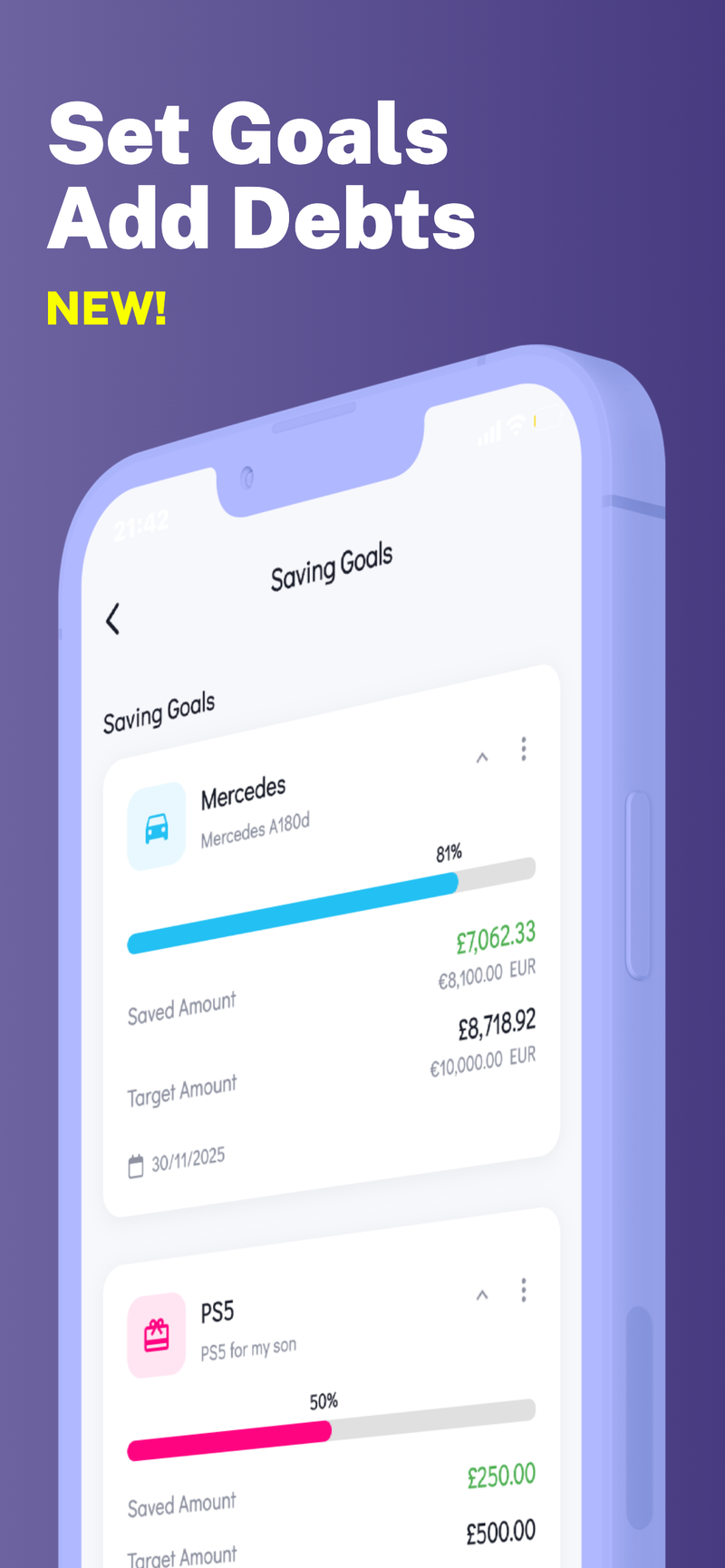
If you’re looking for a tool to support these habits—especially one that respects your privacy and helps coordinate budgets for multiple people—the Fokus Budget option emphasizes privacy-first on-device data storage and can help with multi-profile budgeting. It can be a practical companion for families balancing different financial goals.