
·Budgeting
How Families Can Apply the 50-30-20 Budget Rule Today
This guide breaks down the 50-30-20 budget rule for families into actionable steps. Learn how to categorize needs, wants, and savings, build a flexible plan for irregular income, and keep family finances on track with practical tricks and a simple example.
budgetingfamily-financespersonal-financemoney-managementfamily-budgeting
How Families Can Apply the 50-30-20 Budget Rule Today ## Introduction If you’re juggling bills, groceries, activities for the kids, and saving for the future, budgeting can feel like another box to check rather than a tool that actually helps. The 50-30-20 rule is a straightforward framework designed to turn complex finances into a simple, repeatable plan. It helps families decide what to spend, what to save, and what to enjoy, without needing fancy software or extreme sacrifices. This article offers practical, real-life steps to apply 50-30-20 in a busy family household. You’ll find concrete examples, tips you can start this month, and strategies to adapt the rule to your situation, including irregular income and larger family needs. > Quick takeaway: the rule is a flexible guide, not a rigid ceiling. If essential costs push past 50%, you adapt, not abandon the principle. ## Main Content ### What the 50-30-20 rule means for families The core idea is simple: - 50% of take-home pay goes to Needs (essential expenses like housing, utilities, groceries, transportation, healthcare, and basic child care). - 30% goes to Wants (discretionary items such as dining out, entertainment, travel, non-essential shopping). - 20% goes to Savings and Debt Repayment (emergency fund, retirement, college savings, debt payments). For families, the definition of Needs expands to cover child-related essentials (diapers or school supplies, childcare or activities needed for work), and it often requires a bit more planning around groceries, transportation, and healthcare. The goal is to create a sustainable baseline so essential costs are covered while still reserving room for growth and family experiences. ### Step-by-step: applying 50-30-20 in a real home 1) Track net income for 1–2 months - Record every paycheck and any irregular income. Include all after-tax pay, side jobs, and child-related reimbursements. - Note fixed vs. flexible expenses. This helps you see where your money actually goes and where you can adjust. 2) Define Needs, Wants, and Savings for your family - Needs: rent/mortgage, utilities, groceries, transportation, healthcare, child care, minimum debt payments. - Wants: family outings, upgraded gadgets, hobbies, dining out, streaming services, extras for kids. - Savings/Debt: emergency fund, retirement, education savings, debt repayment beyond minimums. 3) Create a monthly budget aligned to the 50-30-20 targets - If your Needs routinely exceed 50% due to housing or region, start by securing the essentials first, then trim Wants to fit the remaining allowance. The aim is to keep at least the 20% savings/debt portion intact over time. - Example: Net income $5,000/month. Target: Needs $2,500, Wants $1,500, Savings/Debt $1,000. 4) Build a practical Needs baseline - Housing/utilities: 1,600–2,000 - Groceries: 500–700 - Transportation: 100–300 - Healthcare/childcare: 200–350 - Other essentials: 100–150 - If this baseline totals more than 2,500, identify one or two areas to compress in the month (for instance, switch to a cheaper grocery plan or adjust childcare arrangements where feasible). 5) Designate a flexible Wants budget - Prioritize family experiences that don’t derail long-term goals (a weekly movie night, a small family outing, or a craft project). - Use a cap on Wants to prevent overspending: for example, 1,200–1,500 depending on income and obligations. 6) Prioritize Savings and Debt Repayment - Build or grow an emergency fund (aim for 3–6 months of essential expenses). - If you carry high-interest debt, consider directing a portion of the 20% here to reduce the interest burden faster (e.g., snowball or avalanche methods). 7) Adapt to irregular income - Treat the lowest predictable month as the “base” and plan the rest of the income around the needs you can reliably cover. - Create a small “buffer fund” from the surplus months to smooth out lean periods. 8) Involve the whole family - Share goals with your partner and, where appropriate, with kids. This increases accountability and turns budgeting into a family value rather than a chore. - Set a monthly review date to adjust the plan based on actuals and changing priorities. 9) Practical tools and templates - Use a simple spreadsheet or a budget template: list income, categorize expenses, and auto-calculate the 50/30/20 splits. - Establish sinking funds for irregular costs (car maintenance, back-to-school supplies, birthdays). 10) When to adjust the rule - If housing costs are high (common in expensive regions) and consistently push Needs above 50%, reframe the rule: keep a strong Savings/Debt line, but allow Needs to creep up to 55–60% temporarily while you actively pursue cost reductions elsewhere. ### Real-life tips and quick wins - Automate transfers: set up automatic monthly transfers for savings and debt payments as soon as income arrives. - Enforce a no-spend week or month on Wants to reset discipline after holidays or big purchases. - Use the envelope concept for Wants: allocate cash in envelopes for dining out, entertainment, and personal shopping to curb impulse buys. - Review subscriptions quarterly and cancel what isn’t used. - Plan for large expenses with a dedicated sinking fund rather than financing every item. ### A practical example (illustrative) Net income: $5,000/month. Target: Needs $2,500, Wants $1,500, Savings/Debt $1,000. - Needs: Housing 1,650; Utilities 150; Groceries 525; Transportation 100; Healthcare 75; Childcare 0 — total 2,500. - Wants: Dining out 300; Entertainment 200; Shopping 300; Travel/Family activities 400; Subscriptions 150 — total 1,350 (leave some room to adjust up to 1,500 if desired). - Savings/Debt: Emergency fund 500; Debt payments 500 — total 1,000. This is a simplified example to demonstrate the distribution. Your actual numbers will differ, but the process remains the same: define, allocate, review, and adjust. ## Conclusion The 50-30-20 rule offers a clear lens for families to align spending
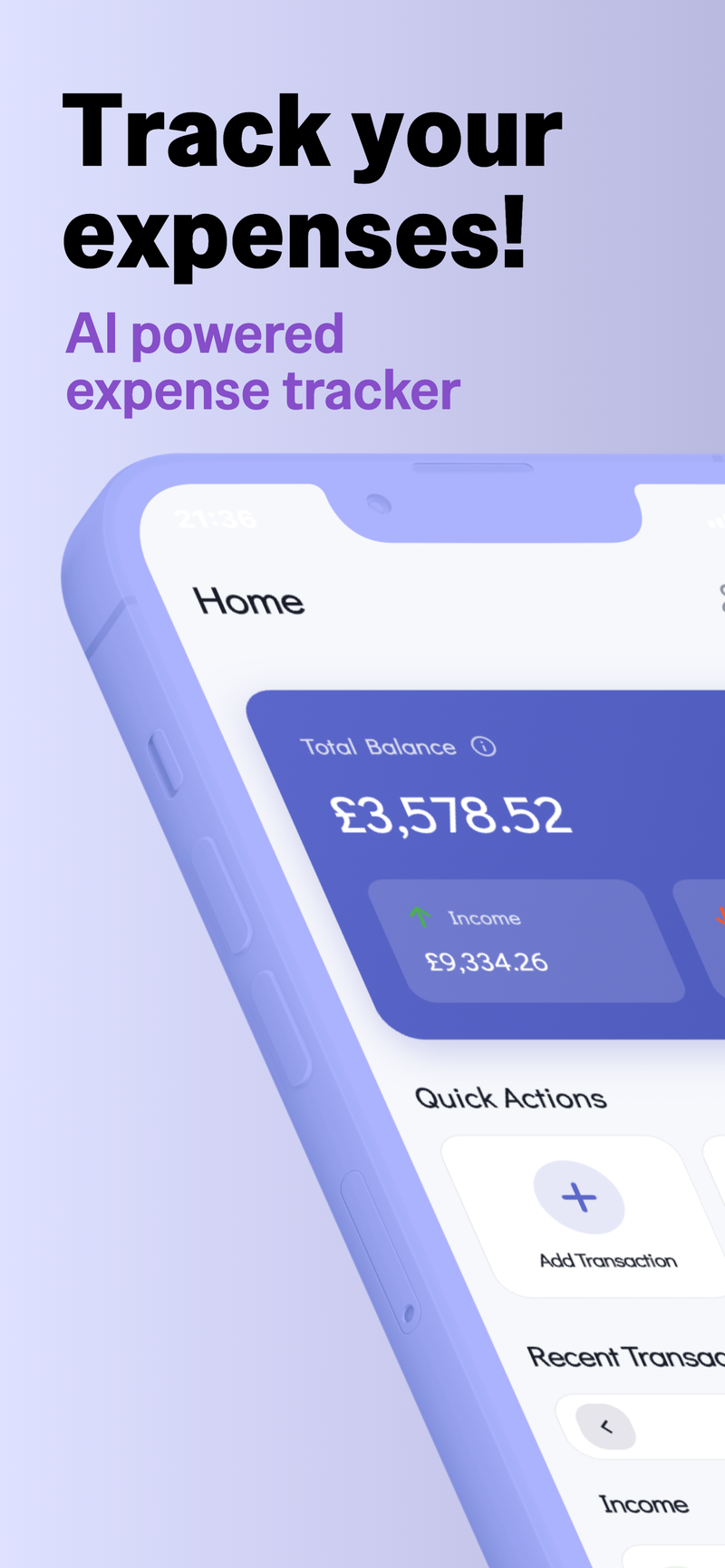
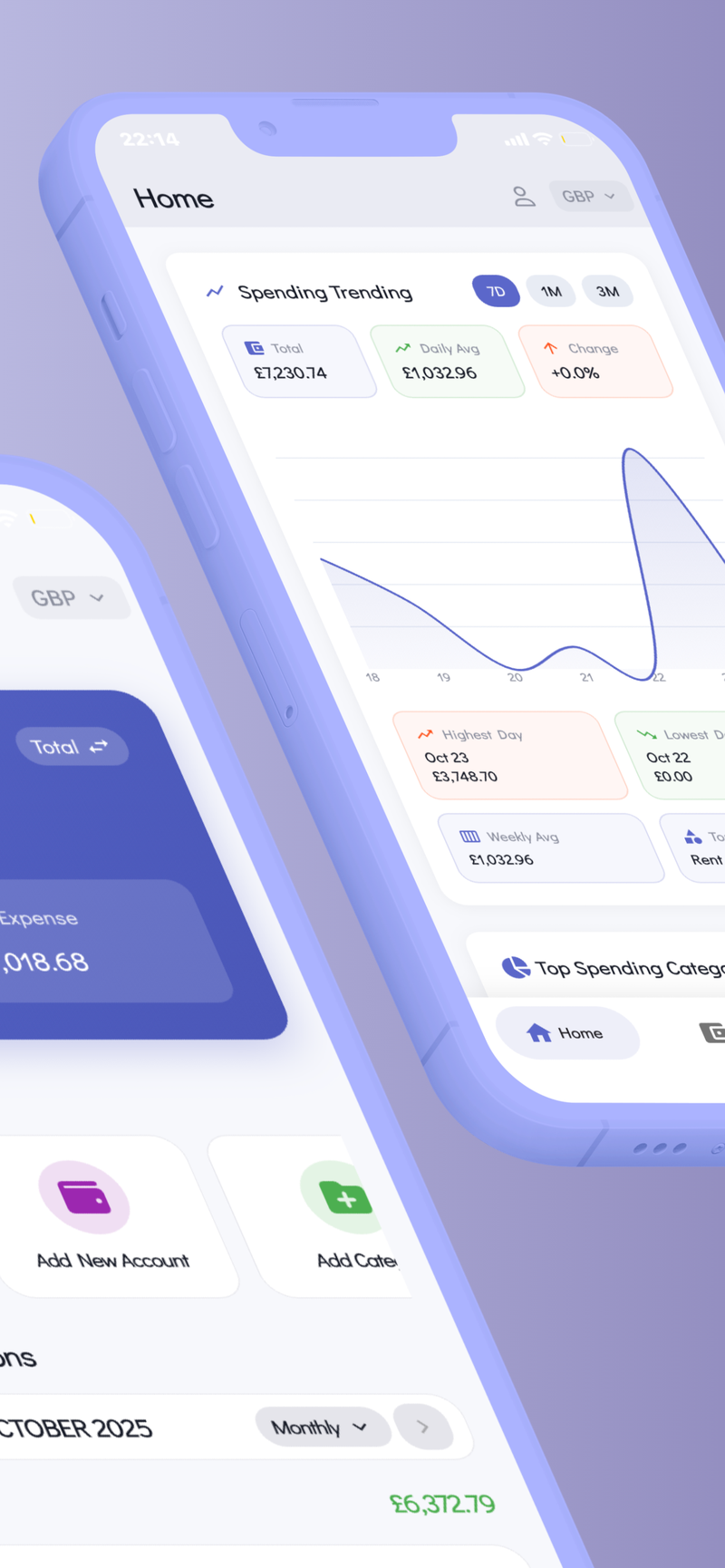
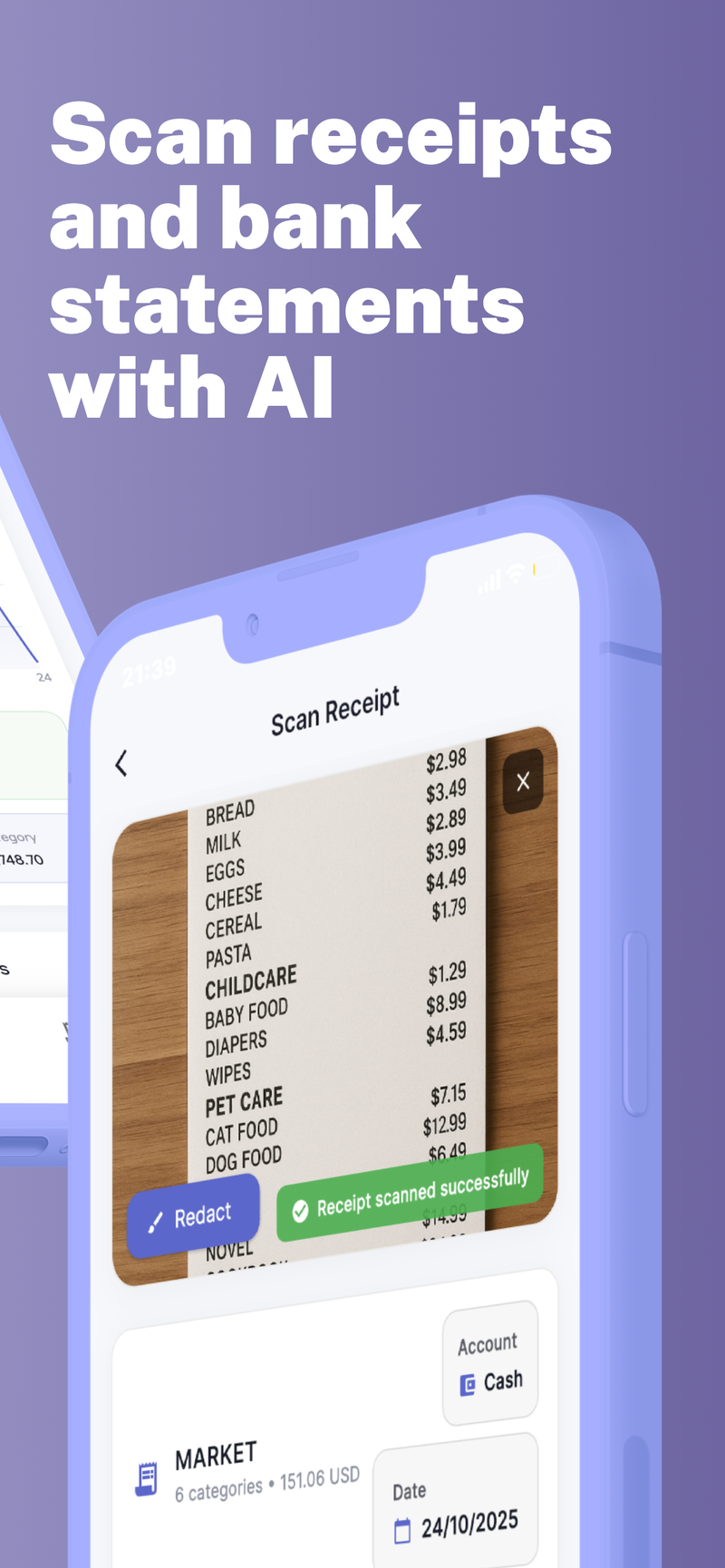
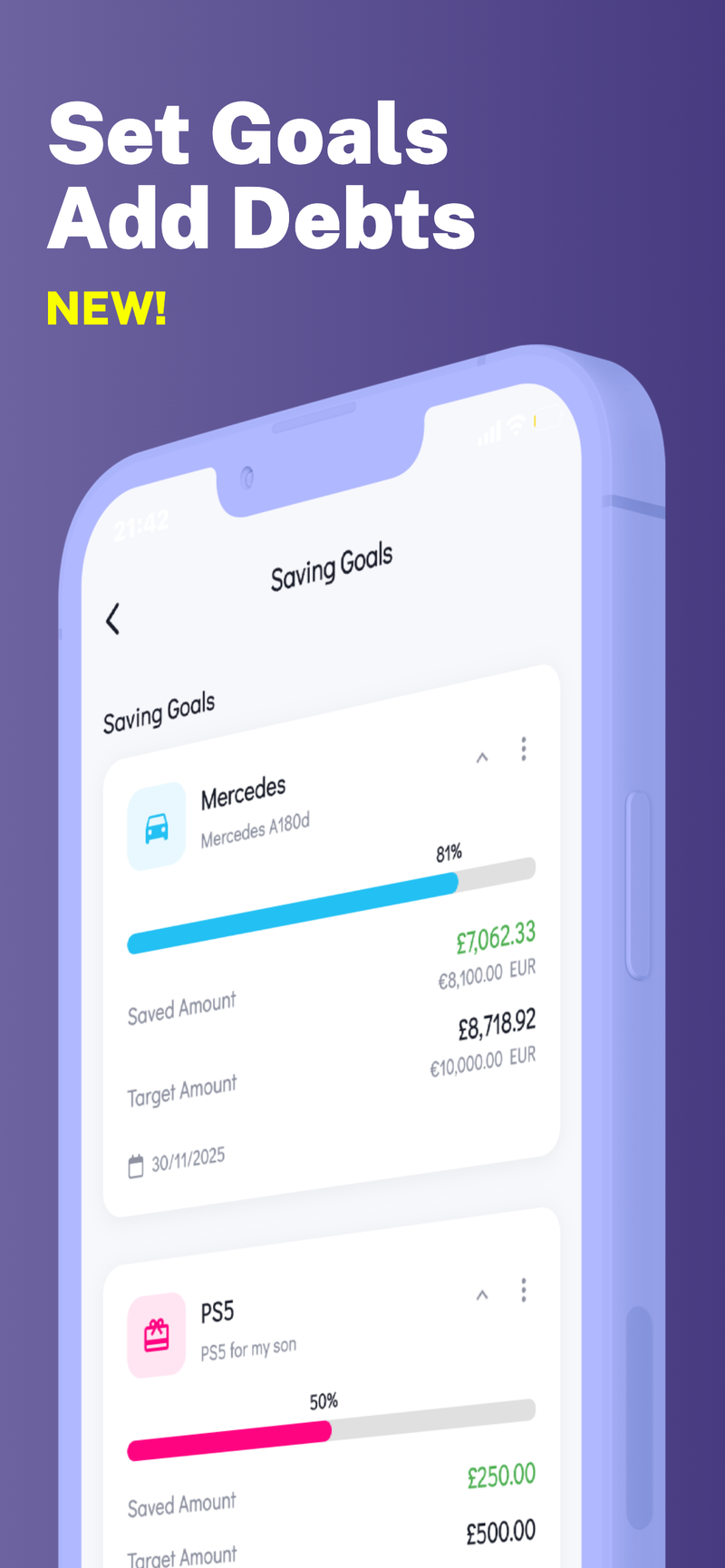

AI Receipt ScanningMulti-CurrencyBank ImportPrivacy-First
✨ Multi-Profile Support