Introduction
Cravings are a normal part of quitting, not a sign of weakness. When you try to quit smoking or vaping, urges can feel overwhelming, especially at predictable moments—after meals, with a hot drink, during stress, or when social pressure is high. The goal isn’t to suppress every urge but to develop a craving-resilience routine that helps urges pass and your healthier goals stay in focus.
A resilient routine works like a muscle: with small, consistent practices, you reduce the power of cravings over time. Research suggests cravings tend to peak and subside within minutes, and that regular, deliberate habit work can make healthier choices feel automatic sooner than you might expect. The key is to design steps you can repeat, adjust, and trust, even on tough days.
Main Content
H3: Start with triggers, map your plan
Identify your top craving triggers. Common categories include mornings, caffeine rituals, after meals, social gatherings, stress, and alcohol use.Create an if-then plan for each trigger. For example:If I crave a cigarette after coffee, I will drink water and do a 2-minute stretch.If I reach for a vape during a stressful moment, I will do a 4-6 minute deep-breathing exercise and text a supportive friend.Build a simple “urge toolbox” of quick actions you can rely on in 3-5 minutes. Some effective options include:Box breathing (4 seconds in, 4 hold, 4 out, 4 hold) for one minuteA short walk or quick workout burst (5 minutes)Drinking a glass of water or herbal teaBrushing teeth or chewing sugar-free gumSplashing cold water on the face or taking a cold shower if availableKnow that urges are temporary; they usually last 3-5 minutes. Use those minutes to shift your attention back to your goal.H3: Build micro-actions and habit stacking
Use a one-minute rule: when you feel a craving, commit to a 60-second action first. This lowers the barrier to change and reduces the chance you’ll default to smoking or vaping.Stack new routines onto existing habits. For example:After you brush your teeth in the morning, replace a cigarette with a 2-minute stretch and a glass of water.After you sit down for a meal, take a 3-minute walk before you relax.Keep reminders visible but unobtrusive: a small sticky note with your plan, a pocket card with your top triggers, or a phone reminder that only cues your micro-actions (without displaying marketing tools).H3: Design your environment to support resilience
Reduce cue exposure. If coffee triggers craving, switch your morning routine to a non-smoking alternative for a couple of weeks.Replace smoking or vaping items with non-smoking substitutes in reachable places (mints, gum, a stress ball, a fidget item).Plan social strategies in advance. If you’re around friends who smoke or vape, designate a smoke-free zone or suggest activities that don’t center on smoking.H3: Prioritize recovery fundamentals: sleep, hydration, and energy
Sleep quality is strongly linked to self-control. Aim for consistent sleep times and a wind-down routine to reduce fatigue-driven cravings.Hydration and balanced meals stabilize energy and mood, which helps you resist urges. Include protein, fiber, and healthy fats to keep blood sugar stable.Moderate caffeine and alcohol intake can amplify cravings for some people. Monitor your personal response and adjust as needed.H3: Leverage stress management and emotional skills
Practice mindfulness and urge surfing: notice the craving without judgment, ride it like a wave, and let it pass.Try progressive muscle relaxation or short meditations (5-10 minutes) during times of stress.Reframe urges as signals for care: “I’m craving this, and I can respond with a plan that aligns with my goal.”H3: Track progress and adapt
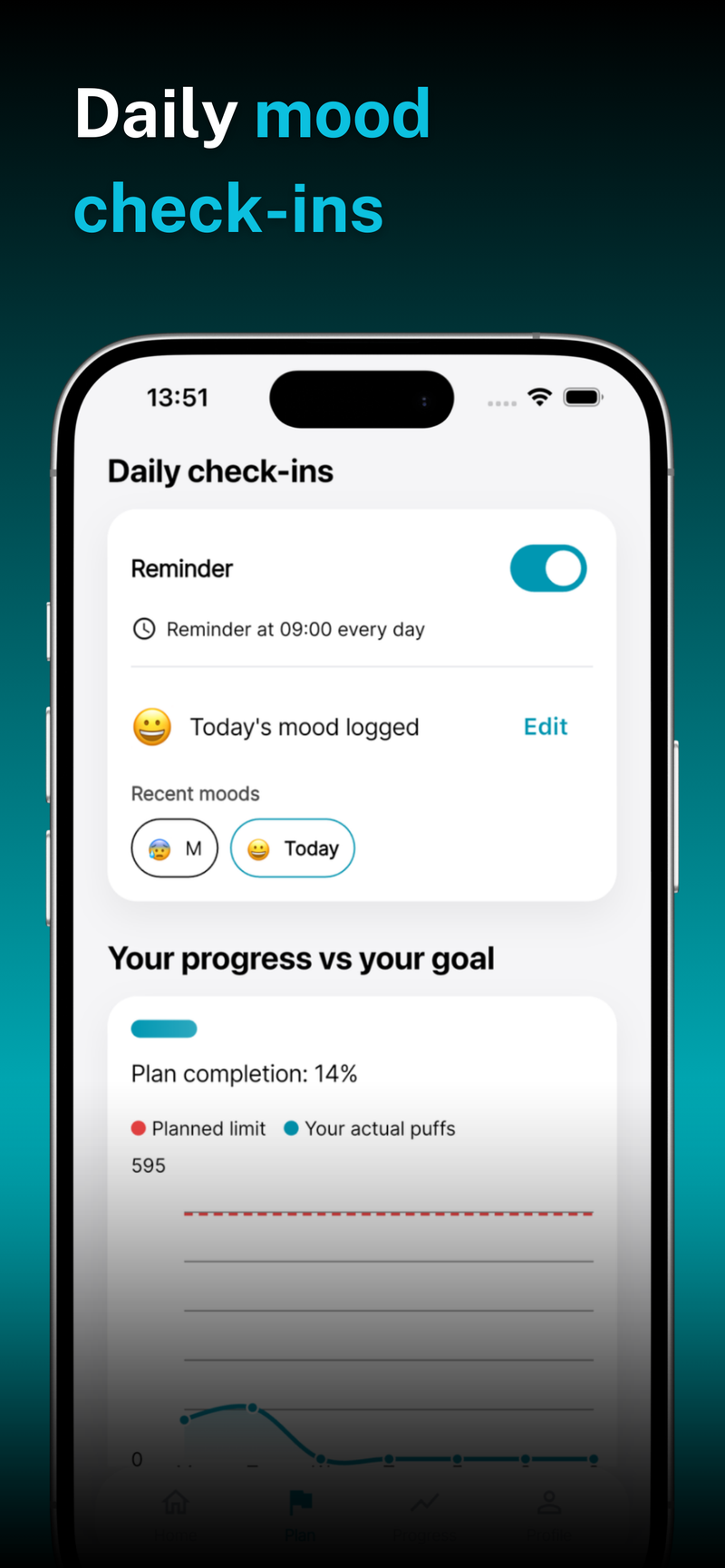
Keep a simple log: date, trigger, craving intensity (0-10), action taken, and the outcome.Do a weekly quick review: which triggers recur, which micro-actions worked best, and where you can improve.Expect setbacks. A relapse today doesn’t erase the progress you’ve made. Reconfirm your plan, adjust triggers, and restart the next craving window with renewed focus.H3: Long-term resilience and identity
Build an identity around health and choice, not perfection. Tell yourself, “I am someone who prioritizes health and resilience.”Celebrate small wins—each day without smoking or vaping is a milestone. Use non-food rewards if possible (a movie night, a new book, a long walk in nature).Understand that habit formation varies. Research commonly cites habit formation timelines ranging from weeks to months; consistency is the best predictor of long-term success.H3: Quick-start plan for momentum
1) List your top 3 triggers and write one or two if-then plans for each. 2) Assemble your urge toolbox with 4-6 quick actions. 3) Set a daily 10-minute reflection to log cravings and responses. 4) Schedule a weekly review to adjust triggers and actions. 5) Share your plan with one trusted person for accountability.
Conclusion
Building a craving-resilience routine isn’t about heroic willpower in the moment; it’s about designing a repeatable system that makes the right choice easier than the old habit, most of the time. Start with clear triggers, a practical urge toolbox, and a simple tracking habit. Over weeks and months, your routine becomes more automatic, and cravings lose some of their pull.
If you’re seeking structured onboarding and a personalized plan to support this journey, Quit Smoking & Vaping can help with onboarding and personal setup to tailor your quit plan. It’s worth exploring how a guided framework could complement your own practice and reinforce your progress.