Introduction
Budgeting as a family can feel like a tall order. You want to pay the mortgage, buy groceries, save for vacations, and still have room for a few small treats. Yet every month seems to drift off course—the groceries cost more, the kids’ activities pile up, and the plan you built on Sunday disappears by Thursday. You’re not alone: various surveys show roughly one-third to one-half of households report difficulty sticking to a monthly budget. The problem isn’t willpower; it’s structure, clarity, and accountability.
A practical budget is less about perfection and more about visibility. When you can see where money goes, you can decide, together, what gets prioritized and what doesn’t. The goal is to reduce the guesswork and make the plan easy to follow, not punish yourself for imperfect days.
Main Content
Step 1: Start with a realistic baseline
Track actual spending for at least 60 days to understand where money truly goes. Include both regular bills and smaller daily purchases.Classify expenses into needs, wants, and savings. A common starting point is the 50/30/20 framework: 50% needs, 30% wants, 20% savings/debt repayment. Adjust the ratios to fit your reality.Don’t forget irregular costs. Car maintenance, holidays, and school fees can blow a month if forgotten. Create a mini sinking fund for these items to smooth out peaks.Step 2: Involve everyone and set shared goals
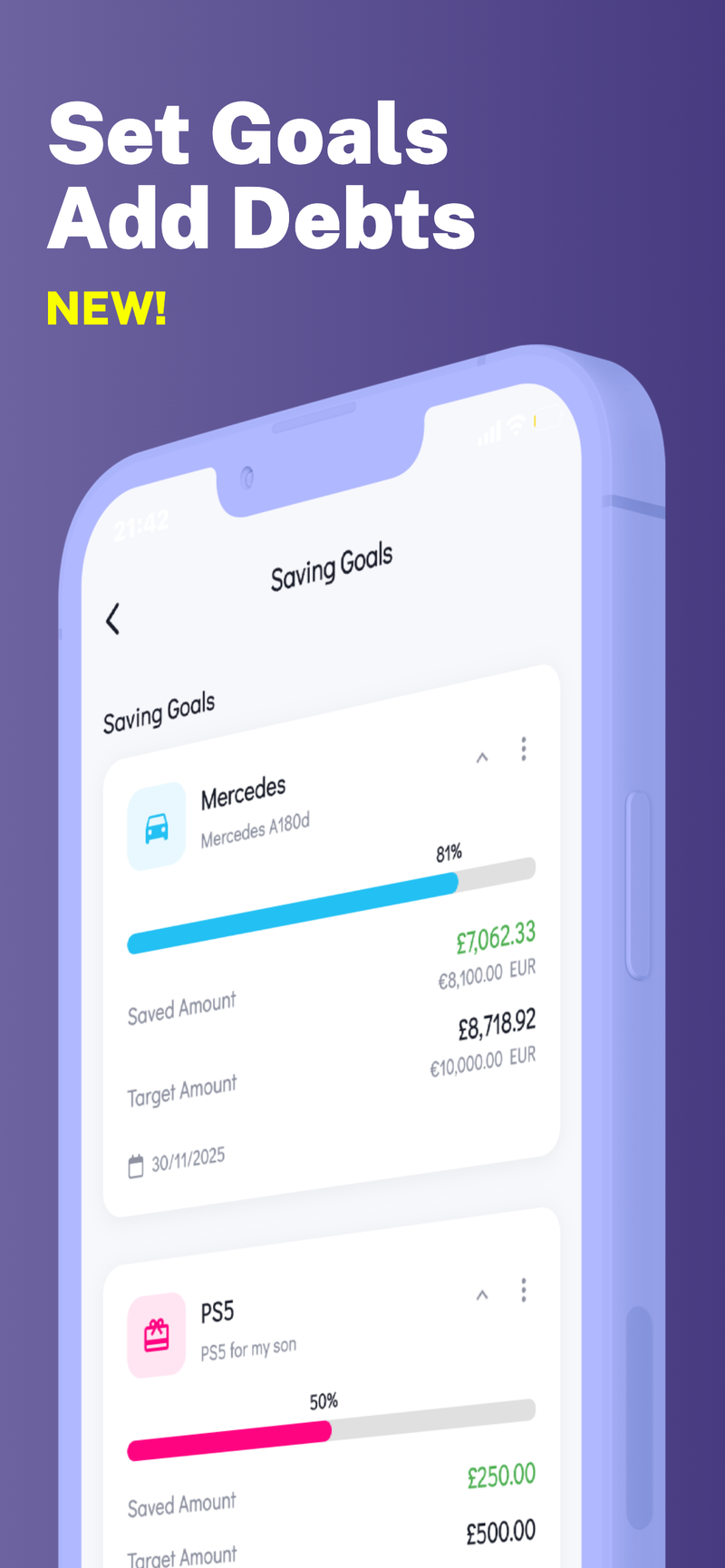
Hold a family budget meeting. Keep it constructive and forward-looking.Define 2-3 measurable goals for the year (e.g., debt payoff, a vacation fund, or emergency savings). Give each goal a dollar target and a deadline.Assign roles so everyone knows who tracks what. For younger kids, turn budgeting into a learning game about earning, saving, and sharing.Celebrate progress together. Small wins reinforce good habits and make sticking to the plan feel rewarding rather than punitive.Step 3: Build a flexible framework, not a rigid cage
Use a simple, repeatable structure. Your framework should be easy to apply every month, even when life throws a curveball.Build in a “budget cushion.” If you’re aiming to save 20%, give yourself a 2–5% leeway for unavoidable costs so you don’t derail the plan entirely.Keep a separate category for spontaneous but reasonable purchases (a family movie night, a new board game). It’s easier to stay on track when you’ve explicitly allocated for some flexibility.Automate repetitive actions, like bill payments and transfers to savings, but monitor them. Automation reduces friction and forgetfulness.Step 4: Create a monthly review ritual
Schedule a fixed monthly review (10–20 minutes). Compare actuals to the plan, note variances, and adjust for the next month.Ask simple questions: What surprised you this month? Which category felt tight? What goal moved forward the most, and what needs attention?Use visuals (simple charts or a one-page dashboard) to keep everyone on the same page. Seeing progress makes accountability easier and more motivating.Step 5: Plan for irregular expenses with sinking funds
Set up dedicated sinking funds for predictable annual costs (insurance, car registration, holidays).Decide how much to contribute each month based on expected timing. This reduces the shock of large bills and helps you maintain momentum toward goals.Review sinking fund balances quarterly to ensure you’re on track and adjust for any changes in timing or amount.Step 6: Automate where possible, but stay aware
Automate transfers to savings and debt repayments so you don’t rely solely on memory.Use reminders for check-ins. A quick weekly glance helps catch drift before it becomes a month-long issue.Keep a simple, accessible record of actual expenses. A single notebook, a spreadsheet, or a basic app note works if you review it regularly.Step 7: Build a safety net and anticipate life surprises
Prioritize an emergency fund—ideally 3–6 months of essential expenses. If that feels intimidating, start with a smaller target and grow it over time.Prepare for anticipated life events (school supplies, birthdays, medical co-pays) by loading a small monthly contribution into a general reserve.Reconcile expectations with reality. If your goals consistently drift, renegotiate them with your family rather than abandoning the plan altogether.Step 8: Track progress with simple dashboards
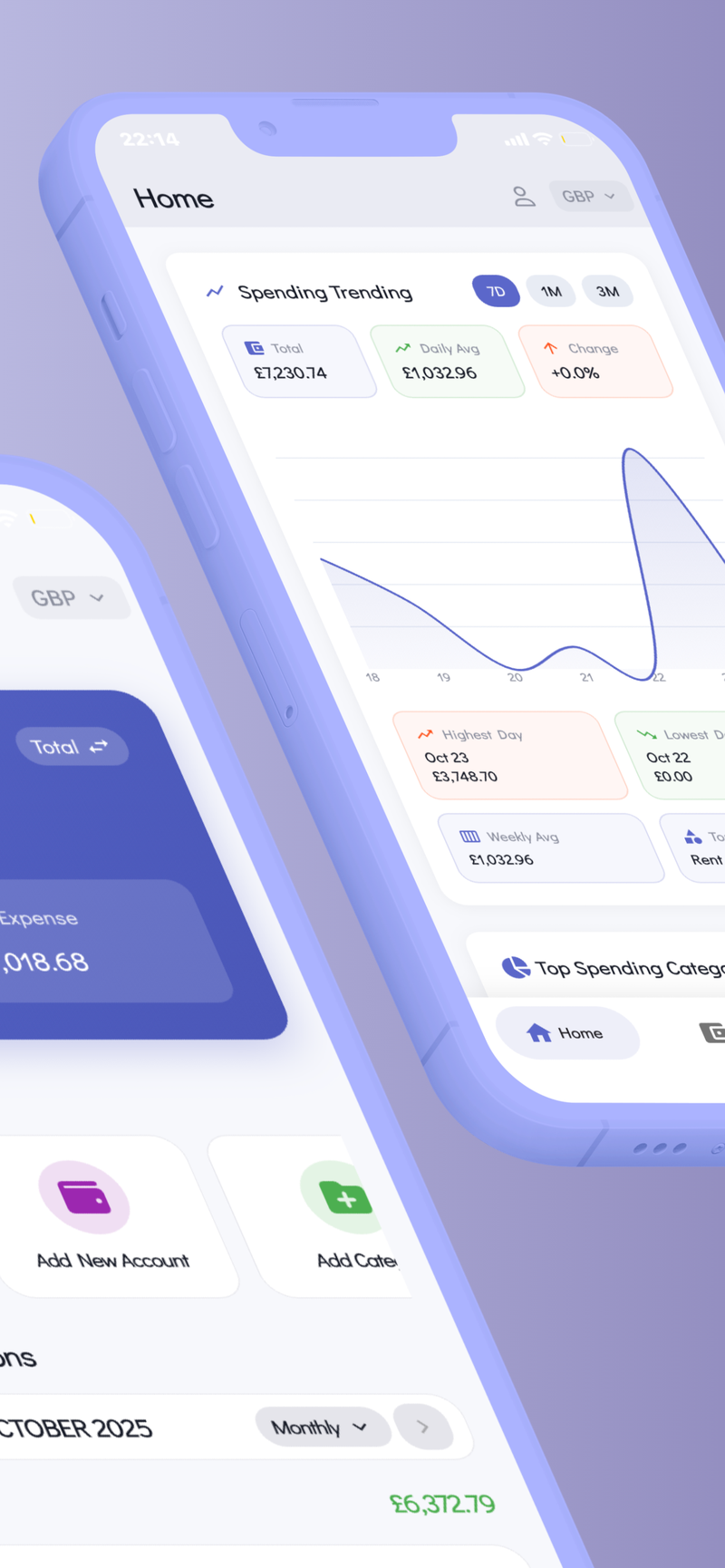
Use a one-page dashboard: income, fixed expenses, variable expenses, savings, and debt payments.Update it monthly and share it with the family. Clarity reduces arguments and increases a sense of shared purpose.Remember: data beats vibes. Numbers may not be exciting, but they give you a clean feedback loop to adjust behavior over time.#### Quick data snapshot
Many households report difficulty sticking to budgets; the most sustainable plans are those that prioritize clarity, shared goals, and periodic reviews.A simple, repeatable framework plus a regular check-in can dramatically reduce the emotional drag of budgeting, making the plan feel achievable instead of punitive.Conclusion
A family budget that sticks isn’t about restricting joy; it’s about aligning your money with your values and your calendar. Start with a realistic baseline, involve everyone, and keep the process light yet purposeful. Build in regular reviews, plan for irregular costs, and automate the repetitive parts so you can focus on what matters most: spending with intention and saving for the memories you want.
If you’re looking for a private budgeting companion that supports this approach and helps families manage multiple profiles without data leaving your device, Fokus Budget can help. Its Multi-Profile Support makes it easier to track personal, family, or household finances in one place while keeping your information secure on-device.