
·Budgeting
How to Build a Flexible Family Budget That Adapts to Change
A practical guide to building a budget that flexes with life. Learn how to baseline costs, separate fixed and variable expenses, plan for scenarios, and maintain an emergency buffer. Simple steps, actionable tips, and repeatable habits help families stay resilient through change.
budgetingpersonal financefamilyfinancial planningmoney management
How to Build a Flexible Family Budget That Adapts to Change Life rarely sticks to a single script. A job shift, a new baby, a medical bill, or a move can suddenly tilt a budget that felt sturdy yesterday. The goal isn’t perfection; it’s resilience. A flexible family budget keeps you steady when change shows up—and gives you room to breathe when it doesn’t. ## Start with a realistic baseline - Track two months of spending across core categories: housing, utilities, food, transport, childcare, debt, savings, and discretionary spending like dining out or entertainment. - Distinguish fixed costs from variable costs. Fixed costs (rent/mortgage, car payments) stay largely constant; variable costs (groceries, fuel) shift with routines; semi-fixed costs (subscriptions, occasional services) sit in the middle. - Create a baseline budget using anchor amounts for essentials and a separate pool for discretionary spending. A simple approach is to assign 50% to needs, 30% to wants, and 20% to savings/debt, then adjust to fit your reality. - Build a small emergency buffer into the baseline. Even a 1–2 month cushion can reduce stress when surprises occur. Aim for a baseline that reflects your actual spending so you know what you’re truly capable of tightening or expanding when circumstances change. ## Build in flexibility with activity-based budgeting - Fixed costs: housing, utilities, loan payments, insurance. These require the least daily attention but the most planning, since they determine how much you must cover before anything else. - Variable costs: groceries, gas, medical copays. These fluctuate with routines and seasons; set a realistic band rather than a single fixed number. - Semi-variable costs: childcare, dining out, entertainment. These can swing but are easier to adjust in a controlled way. Practical approach: - Set a base for essentials that you must cover month to month. - Create a flexible bucket (10–20% of income, depending on your situation) that can absorb spikes in categories like groceries or fuel. - Use a quick-calculation rule: if income drops by d% or expenses rise by e%, adjust discretionary spending first, then semi-variable costs, and only if needed revisit essentials. Example: A family earning around $6,000 net per month might allocate $2,500 to fixed costs, $1,400 to essential variable costs, and leave $1,100 for discretionary and semi-variable spending. In a lean month, you could pull from the discretionary pool first, then trim nonessential subscriptions or dining out before touching essentials. ## Create a change-ready plan - Build a 3-month rolling budget. Update it monthly, forecasting different scenarios (best case, typical month, and a slower month). - Plan for common life moments. Create “what-if” templates for events like a job change, a medical bill, or a move. For each scenario, list the adjustments you’d make to the discretionary and semi-variable categories. - Maintain a small contingency fund for one-time expenses (school trips, car maintenance) so these don’t derail your month. Action steps: 1) Write down your three forecast scenarios. 2) For each scenario, define exact dollar adjustments to discretionary spending. 3) Keep a running note of what you cut or reallocate so you’re prepared when the time comes. ## Use rolling targets and triggers - Establish simple triggers to prompt timely adjustments. For example: - If category spend exceeds 110% of plan for two consecutive months, revisit the budget and reallocate funds. - If income falls below forecast by 15%, pause nonessential purchases and activate the discretionary bucket. - Review weekly (15 minutes) and adjust monthly. Short, frequent checks beat infrequent, large overhauls. This approach prevents small changes from becoming big problems and reduces the emotional stress of “sticking to a budget” during upheaval. ## Build an emergency buffer - The standard recommendation is 3–6 months of essential living expenses. Start with 1–2 months and automate small monthly transfers into a high-yield savings or a separate account dedicated to emergencies. - Break down the target by family size and location. A family with higher fixed costs or healthcare needs may aim for closer to 6 months; a smaller household may land nearer 3 months. - Use the buffer for essential needs first (housing, utilities, food, transportation) and treat it as a priority before discretionary spending. Tip: Separate your emergency fund from day-to-day money to reduce the temptation to dip into it for impulse purchases. ## Tools and practices to maintain discipline - Weekly rituals: quick expense reviews, update your forecast, and confirm upcoming big expenses. - Monthly reviews: compare actuals to your plan, identify which categories drifted, and justify any changes. - Automate where safe: bill payments, savings transfers, and reminders for renewals help maintain momentum without constant tinkering. - Zero-based budgeting can work well for families who want everything assigned to a category, ensuring every dollar has a purpose. Keep things simple. A clean structure reduces cognitive load and makes it easier to adapt when life shifts gears. ## Tips for families with kids - Plan for school-year costs: uniforms, supplies, activities. A short-term forecast helps avoid mid-year scrambles. - Meal planning saves both time and money. Create weekly menus and buy in bulk for staples. - Include a kid-friendly savings goal. Teaching children to save a portion of gifts or allowances builds long-term habits. - Build substitutions into meals to handle price shifts in meat or produce. - Track childcare or extracurricular costs separately to understand true monthly needs. ## Common mistakes to avoid - Blurring wants and needs. Treat needs as non-negotiable and give yourself a flexible cushion for wants. - Ignoring debt interest. Small, persistent debt can erode your flexibility. Prioritize high-interest payments. - Setting a budget that’s too restrictive.
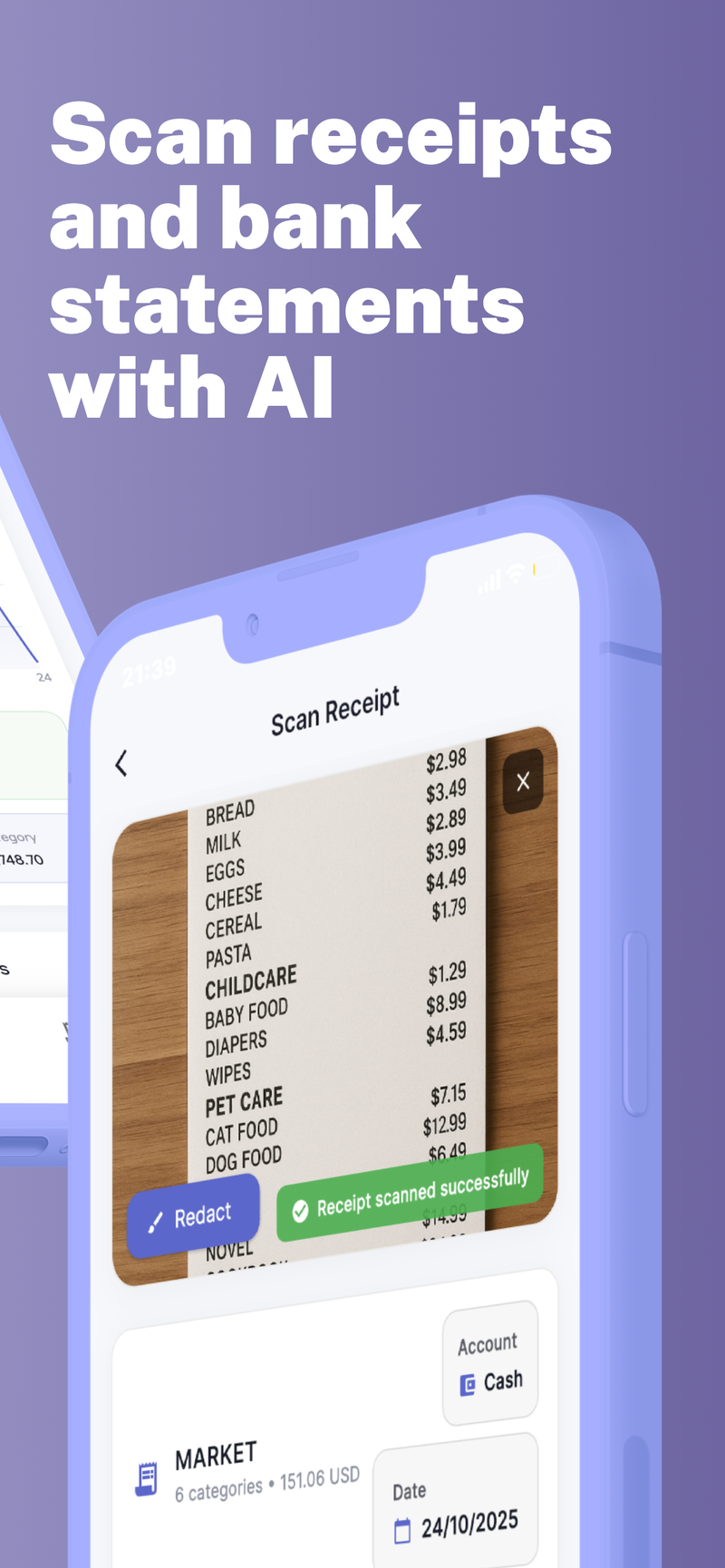

AI Receipt ScanningMulti-CurrencyBank ImportPrivacy-First
✨ Multi-Profile Support