
How to Build a Lean Monthly Budget That Lasts All Month
Struggling to stretch your paycheck through the month? This guide offers practical steps to create a lean monthly budget that sticks, with real-world tactics you can start today.
Introduction
If you’ve ever felt surprised by the way money evaporates before the month is over, you’re not alone. A lot of households live with the sense that the budget is slipping away, not because they spend wildly, but because they don’t start with a plan that actually fits the pace of a month. The goal of a lean monthly budget that lasts all month isn’t deprivation; it’s clarity, discipline, and a simple system you can follow even when life gets busy.
Build a Lean Monthly Budget That Lasts All Month
Step 1: Start with a real baseline
Begin by collecting actual spending from the last 60 days. Note pay cycles and recurring charges. Split expenses into four buckets:
Track at least two pay periods to capture variations in income and timing. This baseline gives you a starting line you won’t be tempted to ignore.
Step 2: Distinguish needs vs wants with a simple test
Ask: If you skipped it for a week, would your life be notably worse? If the answer is no or only minorly impacted, it’s probably a want. This quick test helps you allocate dollars to what truly matters. Examples:
Step 3: Plan with a simple category structure
Create a monthly plan using four main categories:
Assign a dollar amount to each category before the month starts. A practical starting point is a variant of the 50/30/20 rule:
Adjust based on your reality, but aim for a balanced, intentional distribution that leaves room for real life.
Step 4: Build a buffer for irregular costs
Irregular costs (quarterly insurance, car repairs, annual memberships) derail budgets when they surprise you. Create a rolling buffer by allocating a small monthly amount toward these costs. For example, if you know a quarterly bill of $300 is coming, budget $25 per month toward it. You’ll reduce stress and avoid mass adjustments later.
Step 5: Schedule regular reviews and weekly pacing
Set a 20- to 30-minute check-in mid-month to compare actuals with the plan. Ask:
A quick cadence keeps drift from creeping in and turns plans into habits.
Step 6: Automate and simplify without losing control
Automate essential payments and transfers to savings, but keep a human check. Automatic transfers reduce the chance of forgetting to save or pay a bill, while a mid-month review catches anything automation misses. If you’re managing multiple goals, you’ll benefit from visibility and control rather than rigid rigidity.
Step 7: Use a practical budget template
A simple, copyable template helps you act today:
If you can’t fit everything, prioritize needs first, then debt, then savings, then wants. Small, consistent progress beats grand plans that never launch.
Real-world example
Net income: $4,000
With this setup, you meet essential needs, contribute to future goals, and still have room for discretionary spending. If you find you’re tight, trim Wants first (e.g., reduce dining out) and reallocate to Needs or Savings. The aim isn’t perfection but steady, intentional progress that lasts through the month.
Practical tips to boost adherence
Common pitfalls to avoid
Quick wins you can implement today
Conclusion: Make it stick month after month
A lean monthly budget that lasts all month is built on clarity, small but steady adjustments, and a disciplined but forgiving approach. Track real spending, distinguish needs from wants, build buffers for irregular costs, and review regularly. In time, these habits become automatic, reducing stress and increasing confidence in your finances.
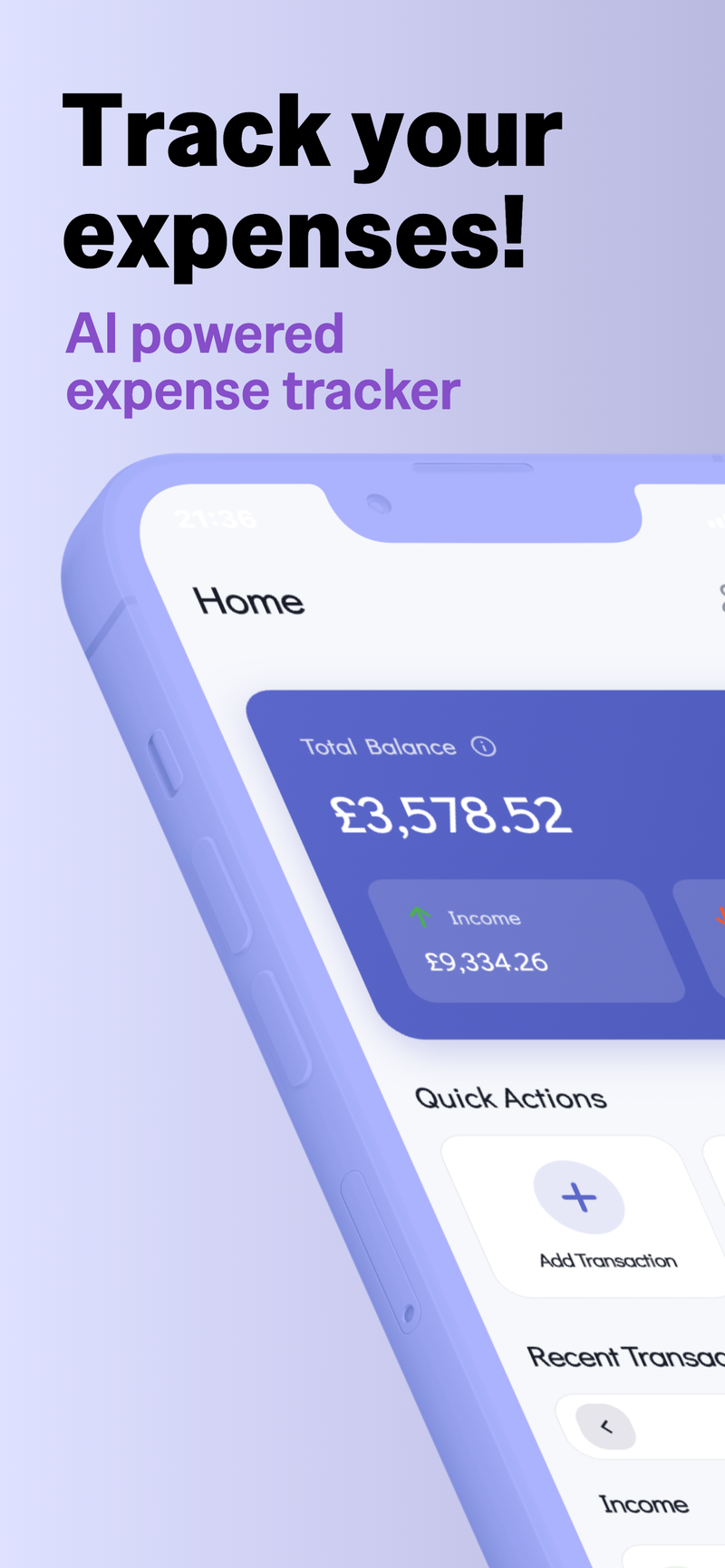
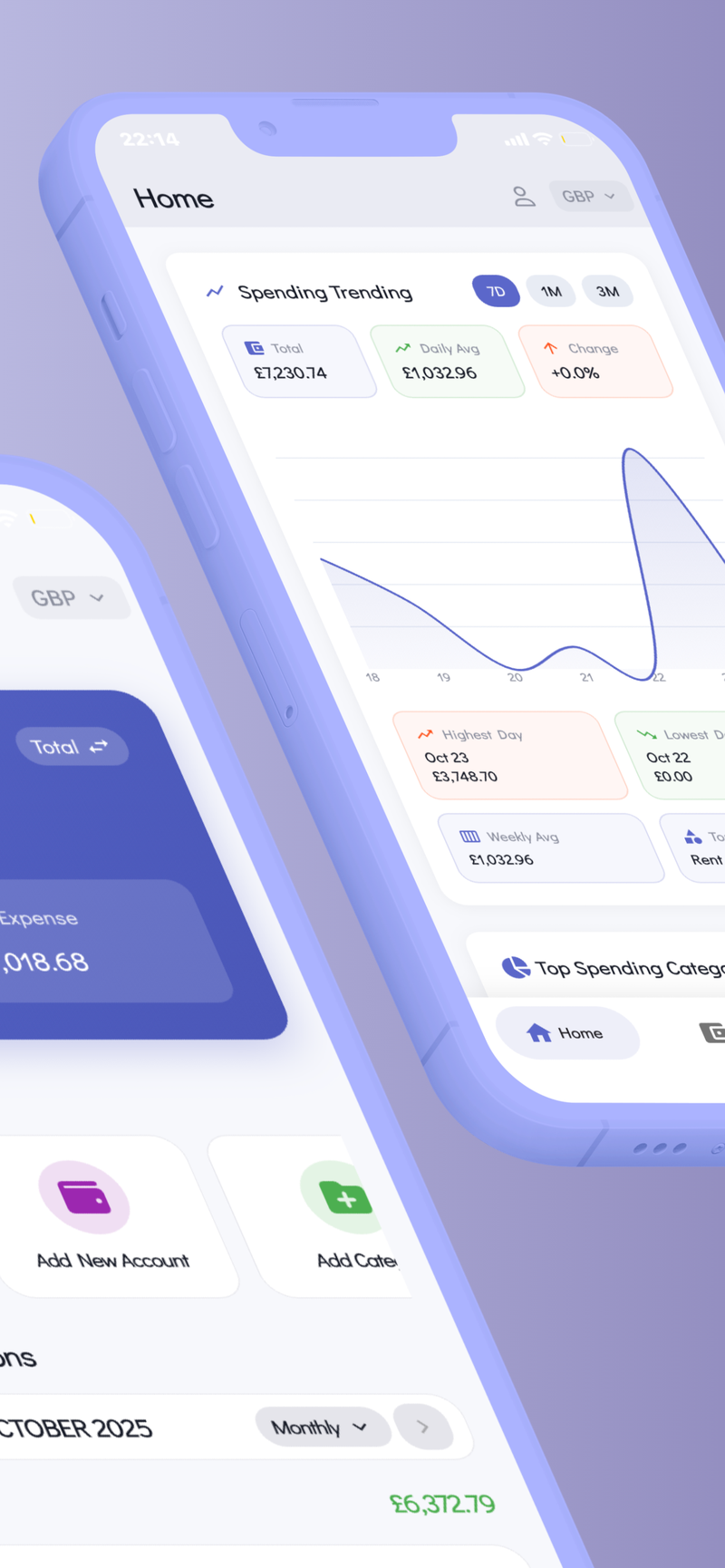
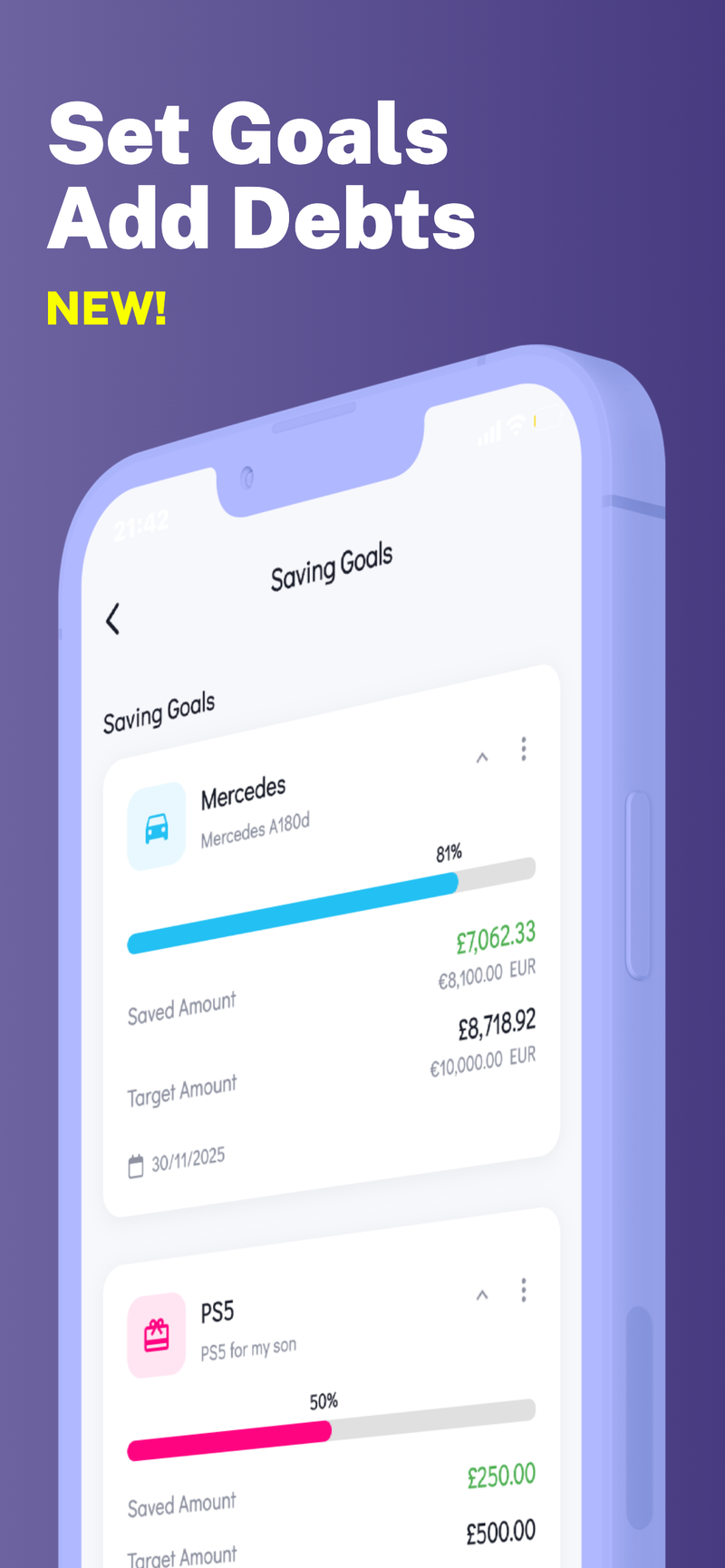
If you’d like a private, on-device budgeting companion to help you implement this plan and manage multiple budgets within one secure space, Fokus Budget can help with this. With features like Multi-Profile Support, you can keep personal, family, and side-hustle budgets organized side by side, all while preserving privacy. A practical tool can make the difference between a nice plan and a lasting habit.


✨ Multi-Profile Support