
How to Build a Realistic 2-Week Nicotine Reduction Plan
A practical, step-by-step guide to cutting nicotine over 14 days with a reachable ladder, craving management tips, and a plan you can start today. Learn how to baseline, reduce, and build momentum toward quitting.
Introduction
If you’ve ever tried to quit smoking or vaping, you know cravings can feel unpredictable and relentless. The idea of quitting cold turkey can be appealing to some, but for many, a gradual, structured approach works better. A realistic two-week plan gives you a clear path, reduces decision fatigue, and builds momentum that lasts beyond the 14 days.
This guide focuses on practical steps you can take now to lower your nicotine intake in a controlled, sustainable way — without feeling like you’ve given up all the things you enjoy.
Building a realistic 2-week plan
Step 1: Establish your baseline
Start with a short log for 3 days. Record each cigarette or puff, the time, what triggered it, and how strong the craving felt on a scale from 1 to 10. Compute your average daily use and note your peak craving times. This baseline tells you where to aim on days 4–14.
Step 2: Create a 14-day ladder
Choose your main goal: monitor & reduce or quit. Then pick a ladder that matches that goal. Example based on a baseline of 12 per day:
Alternative plan (quit by Day 14):
These numbers are examples; adjust to your baseline and comfort. The goal is steady progress, not perfection.
Step 3: Build daily routines and coping strategies
Step 4: Manage cravings and withdrawal
Withdrawal symptoms often peak in the first 24–48 hours and can last a couple of weeks. Common experiences include irritability, restlessness, and strong cravings. You can soften this by staying hydrated, prioritizing sleep, and engaging in light activity such as short walks. Remember: symptoms ebb with time and progress.
Step 5: Track progress and adjust
Keep a simple chart: date, daily use, triggers, and what helped. If you’re slipping, ask: what time, place, or mood made you reach for nicotine? Adjust your plan by reducing a little more or adding a coping technique for that trigger.
Step 6: Prepare for triggers and environment
Identify high-risk moments (driving, breaks, social events) and create pre-commitments: go for a 5-minute walk, drink water, or call a friend. Remove easy access to cigarettes or vape devices if possible, and consider carrying a craving toolkit (gum, mints, a stress ball).
Step 7: Support and self-care
Tell a friend or family member about your plan. Small accountability helps. Combine with healthy sleep, regular meals, and physical activity to reduce stress and improve mood during the process.
Practical day-by-day snapshot (optional)
Day 1: baseline log only; Day 2–3: observe patterns; Day 4: reduce strategies, keep a craving toolkit handy; Day 5–7: push toward the Day 7 target; Day 8–11: further reduction; Day 12–14: attempt full abstinence or minimal use as needed.
Conclusion
Reducing nicotine in two weeks is a structured sprint that can yield meaningful momentum. The key is to start with a clear baseline, choose a realistic ladder, and use practical coping strategies to ride cravings without giving in to old habits. If you stay consistent, you’ll likely notice improvements in sleep, energy, and overall mood as you cut back.
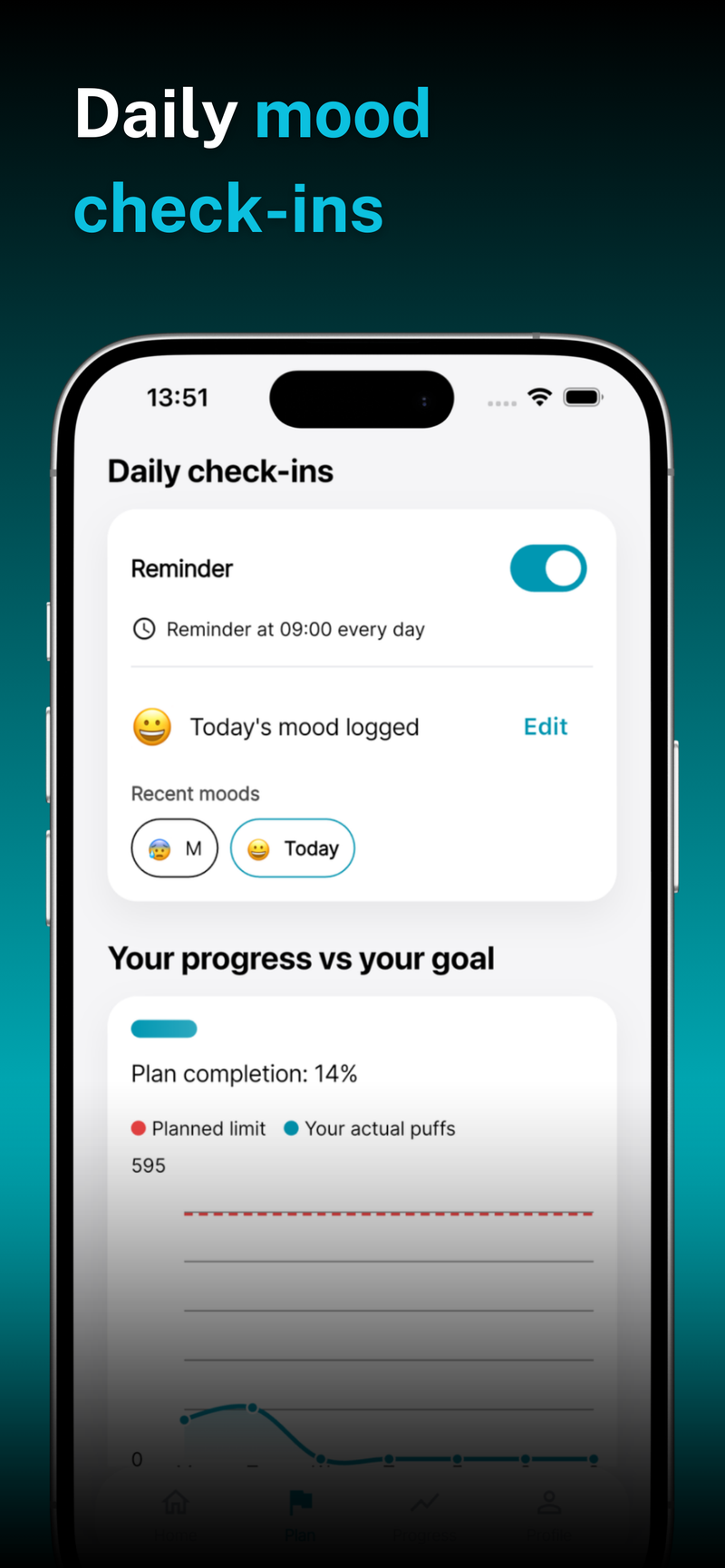
If you’d like a guided onboarding flow to personalize this plan and help you track progress, Quit Smoking & Vaping can help with this. The onboarding and personal setup features tailor the plan to your rhythm and keep you accountable as you move toward your goal.



💪 Onboarding & Personal Setup