
How to Build a Realistic Family Budget in 7 Simple Steps
Learn seven practical steps to build a realistic family budget. From gathering numbers to monthly reviews, this guide provides actionable tips, real-life examples, and simple habits to improve money management for any household.
Introduction
If you’ve ever felt that money disappears before the month ends, you’re not alone. Many families struggle to align income with real-life expenses, leaving little room for savings or emergencies. The problem isn’t lack of discipline—it’s structure. A realistic budget gives you a clear map, reduces stress, and makes it easier to reach your goals. And yes, you can build one, even if you’re juggling school lists, groceries, and car repairs.
A helpful benchmark: in 2022, about 40% of adults reported they wouldn’t be able to cover a $400 emergency with cash. This sobering stat highlights why an intentional plan matters—not just numbers on a spreadsheet, but real protection for your family. Let’s walk through seven practical steps you can start today.
7 Simple Steps to a Realistic Family Budget
Step 1: Gather your numbers
Tip: use a single sheet or simple spreadsheet for this baseline. Seeing everything in one place reduces the feeling of overwhelm and highlights where your money actually goes.
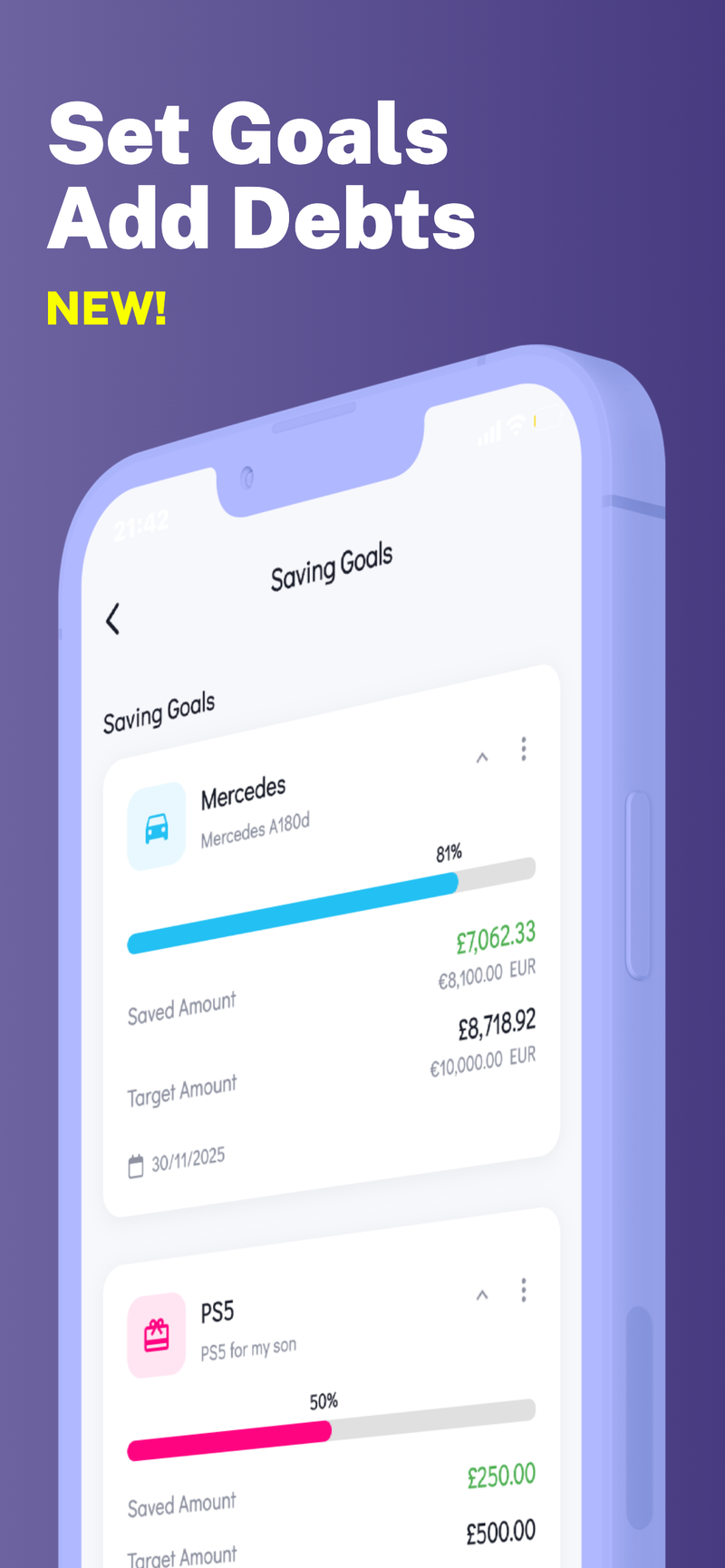
Step 2: Set realistic goals
Real-world example: a family might aim to save $200 a month toward an emergency fund within 12 months, while paying off a small debt in 9 months.
Step 3: Track and categorize expenses
Practical tip: challenge yourself to a 2-week “no-spend” window on non-essentials to see how much you can redirect toward goals. Even small shifts add up quickly.
Step 4: Create a family spending plan
Example: with a $5,000 combined monthly income, you might target $2,500 for needs, $1,500 for wants, and $1,000 toward savings/debt.
Step 5: Build an emergency fund
If you’re starting from scratch, a practical approach is to calculate your essential monthly costs (housing, utilities, food, transport, insurance, minimum debt payments). Multiply by 3 and use that as your initial target. Then gradually expand to 6 months as you stabilize.
Step 6: Plan for irregular expenses
Tip: keep a small buffer in your main account for small, unexpected expenses, so you don’t dip into savings or debt when something pops up.
Step 7: Review and adjust monthly
A monthly check-in helps catch drift early—before small oversights become costly patterns.
Practical tips you can start today
Realistic budgets are not about restricting joy; they’re about prioritizing what matters and removing the friction between income and goals.
Conclusion
A practical family budget starts with honest numbers, clear goals, and a simple plan you can actually follow. Gather your data, choose a realistic allocation, and review progress regularly. As you apply these steps, your confidence will grow and money stress can lessen—one month at a time.
If you’re looking for a way to implement these steps consistently while keeping your data private and on your device, Fokus Budget can help with Multi-Profile Support. It’s designed for families who juggle multiple budgets and currencies, making it easier to manage everything in one secure place.




✨ Multi-Profile Support