
·Health
How to Build a Support Network That Helps You Quit Smoking
A strong support network can dramatically improve your odds of quitting smoking or vaping. This guide offers practical steps to map your network, set expectations, and stay accountable with real-world tactics you can start today.
smoking cessationvapingbehavior changepeer supporthealth and wellness
Introduction If you’ve decided to quit or cut back on smoking or vaping, you’re already taking a brave first step. The hard part isn’t willpower alone—it’s navigating the social pull that makes quitting feel harder than it has to be. You don’t have to go it solo. A reliable support network can keep you accountable, reduce stress, and help you ride out cravings with real people by your side. Research shows that quitting is more successful when you involve others. The U.S. Centers for Disease Control and Prevention notes that roughly 14% of adults in the U.S. smoke, and many quit attempts happen with support from friends, family, or professionals. In fact, most people try several times before they quit for good—often needing 8–11 attempts. Building a deliberate network isn’t just nice to have; it can boost your odds and make the process less lonely. This guide focuses on practical, real-world steps you can start today to assemble a support system that fits your life and your quit or reduction goals. ## Main Content ### H2: Build a real-world support map The first step is to map out who can be part of your quit journey. Think beyond a single person to a small, dependable circle. - List potential supporters: a trusted family member, a friend who understands your goal, a coworker you see daily, a healthcare provider, or a counselor. - Include non-traditional allies: a gym buddy, a neighbor who shares healthy habits, or an online peer group with similar goals. - Note boundaries: who is best at encouragement, who should be avoided during high-stress moments, and who can help you get back on track after a slip. ### H3: Choose the right people Not every well-meaning friend will be a great accountability partner. Look for people who: - Speak supportively, not judgmentally - Respond reliably to messages or calls - Respect your plan and your pace - Can offer practical help (like swapping after-work drinks with a walk) If you’re unsure, start with 2–3 core supporters and add others as needed. ### H3: Set clear expectations A plan works best when everyone is on the same page. Share your quit or reduction goals and what you need from them: - “I’m aiming to quit by [date]. Can you check in with me once a day for 2 weeks?” - “If I slip, please help me get back on track rather than scolding me.” - “Let’s agree on a non-smoking activity we can do together.” Provide a simple message you can send and customize. Clarity reduces confusion and makes people more likely to follow through. ### H3: Schedule regular check-ins Consistency matters more than intensity. Build a rhythm that fits your life: - Daily: a 1–2 minute text or a quick voice note about cravings and wins. - Weekly: a 15–20 minute call or coffee meet-up to review progress, celebrate small victories, and adjust strategies. - Milestones: celebrate 1 week, 1 month, and 3 months quit with your circle to reinforce momentum. ### H3: Leverage professional support Don’t overlook clinical resources. A doctor, nurse, or counselor trained in tobacco cessation can offer evidence-based strategies, such as: - Nicotine replacement therapies or medications when appropriate - Behavioral strategies to manage triggers - Referral to behavioral health support if stress or anxiety is driving cravings Reach out to your primary care provider to discuss a quit plan tailored to your health needs. ### H3: Create a buddy system and group norms Team up with 2–3 people to form a small accountability group: - Set shared rules: no smoking in shared spaces; agree to pause a trigger activity together (like a post-meal walk). - Create a ritual: weekly group check-in, celebrate streaks, and plan a reward for hitting goals. - Rotate roles: one person leads each week, so the responsibility is distributed and fresh. Group norms help reduce friction and keep motivation high when cravings spike. ### H3: Plan for high-risk moments Cravings often strike at predictable moments—after meals, with a morning coffee, or during social events. Have a plan: - Create a quick execution list: drink water, take a 5-minute walk, call or text a buddy, or practice box breathing for 60 seconds. - Pre-plan replacements: sugar-free gum, mints, or a small snack that won’t derail your goals. - Pre-arrange a support text chain for high-risk hours (e.g., 8–10 a.m.). ### H3: Manage online and offline communities Online spaces can be powerful, but they can also be overwhelming if they’re negative. Choose communities with clear, positive guidelines and active moderators. Keep your participation purposeful: - Use online groups for quick tips and encouragement rather than venting during sticky moments. - Limit exposure to triggering content and unfriendly posts. - Share progress and successes to reinforce accountability for yourself and others. ### H3: Track progress with accountability metrics Turn intentions into data. Useful metrics include: - Days since last cigarette or vape - Money saved this week and month - Cravings per day and coping responses used - Number of supportive messages received and replied to Review these weekly with your core supporters, and adjust plans based on what’s working and what isn’t. ### H3: Mind the money and stress connections Stress can push you toward old habits, while financial gains can reinforce your progress. Tie these together: - Share your weekly savings with your support circle and set a goal to invest in a non-smoking reward. - Develop stress-management routines such as exercise, journaling, or mindfulness with your supporters to substitute and reduce cravings. ## Conclusion with subtle CTA Quitting isn’t a single moment; it’s a process that unfolds with people by your side. A well-constructed support network gives you practical help, emotional resilience, and accountability when cravings feel strongest. Start by identifying a few trusted allies, setting clear expectations, and creating a regular cadence of check-ins and celebrations. Track your progress, plan for high-ris


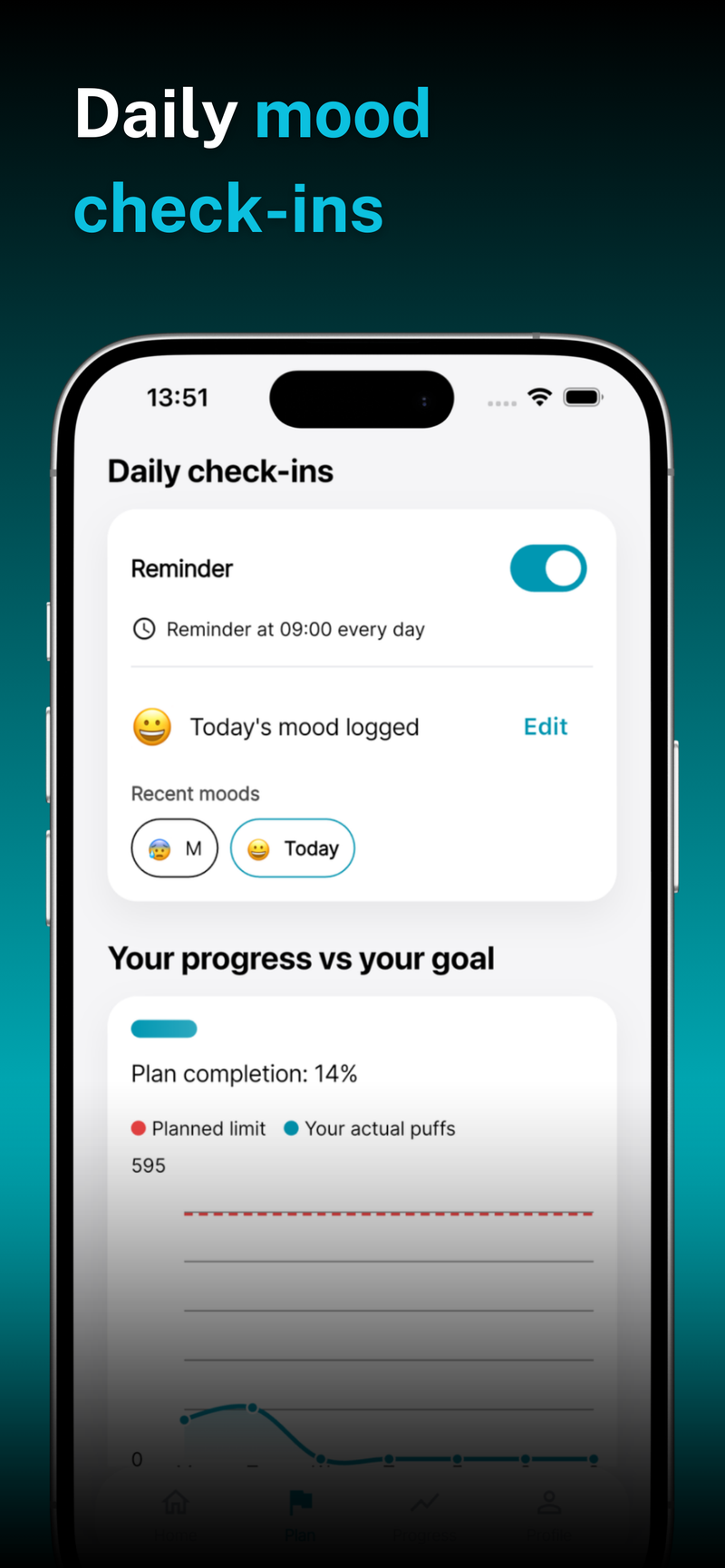

Daily MotivationProgress TrackingHealth MilestonesMoney Saved
💪 Onboarding & Personal Setup