
How to Build an Emergency Fund When Money Is Tight
A practical guide to building an emergency fund even when money is tight. Learn how to set achievable goals, automate savings, and use small, consistent steps to protect your finances. A simple, non-pushy approach to creating a safety net that sticks.
Introduction
Money doesn’t come with a pause button, yet emergencies always seem to arrive at the worst moments. Whether it’s a car repair, a medical bill, or a sudden job change, the stress multiplies when you don’t have a financial cushion. An emergency fund isn’t a luxury—it's a practical shield that can prevent one setback from becoming a setback your whole family feels.
A solid fund helps you avoid high-interest debt, keep essential bills from slipping, and buy you time to make calm decisions instead of rushed ones. If you’re starting from a tight budget, the goal may look distant. The good news: you can build momentum with small, repeatable steps that add up over weeks and months.
Main Content
Define a realistic target for your situation
Start by calculating your essential monthly costs (housing, food, utilities, transportation, healthcare, minimum debt payments). Decide how many months you want to cover. A common guideline is 3-6 months of essentials. For example, if essential living costs run about $2,000 per month, a 3-month fund is $6,000 and a 6-month fund is $12,000.
If that target feels overwhelming, break it into a practical first milestone—$1,000 or $2,000. Reaching an initial goal creates momentum and security, then you can expand it over time.
Cut and reallocate: find small, sustainable savings
Look for low-friction saving opportunities that don’t rely on big sacrifices. Try one or more of these:
Aim for $5–$20 saved each week. Even modest gains compound over time when redirected to your emergency fund.
Automate savings so it happens without thinking
Automation creates discipline. Set up a small automatic transfer from checking to a dedicated savings tier on payday. The transfer should occur before you see discretionary spending money in your checking account.
Tips:
Use round-ups and micro-savings with a purpose
Round-up strategies convert everyday purchases into tiny savings increments. For example, if you spend $3.40, you round up to $4.00 and save $0.60. Across a month with 20 purchases, that’s about $12–$20 heading toward your fund. Over a year, it becomes a meaningful chunk without feeling like a punishment.
Other micro-savings ideas:
Plan for irregular income and seasonality
If your income isn’t steady, don’t wait for perfect months to save. Build a flexible rule: save a percentage of each pay period when you can, and when income is higher, push a larger lump sum into the fund. Consider a small buffer that allows you to bank a chunk of money during good months and preserve it through lean ones.
A practical approach is a rolling target: keep a minimum baseline (three to six weeks of essential expenses) and top it up when you can. This keeps momentum without forcing you into debt during slow periods.
Prioritize growth without losing focus on essentials
Avoid pulling from the emergency fund for non-emergencies (vacations, impulse buys, non-essential upgrades). If you notice your savings growing too slowly, reassess your budget in a quarterly cycle:
A simple rule: every time you reduce a non-essential cost or receive extra income, allocate at least a portion to the fund until you hit your target.
Track progress and celebrate small wins
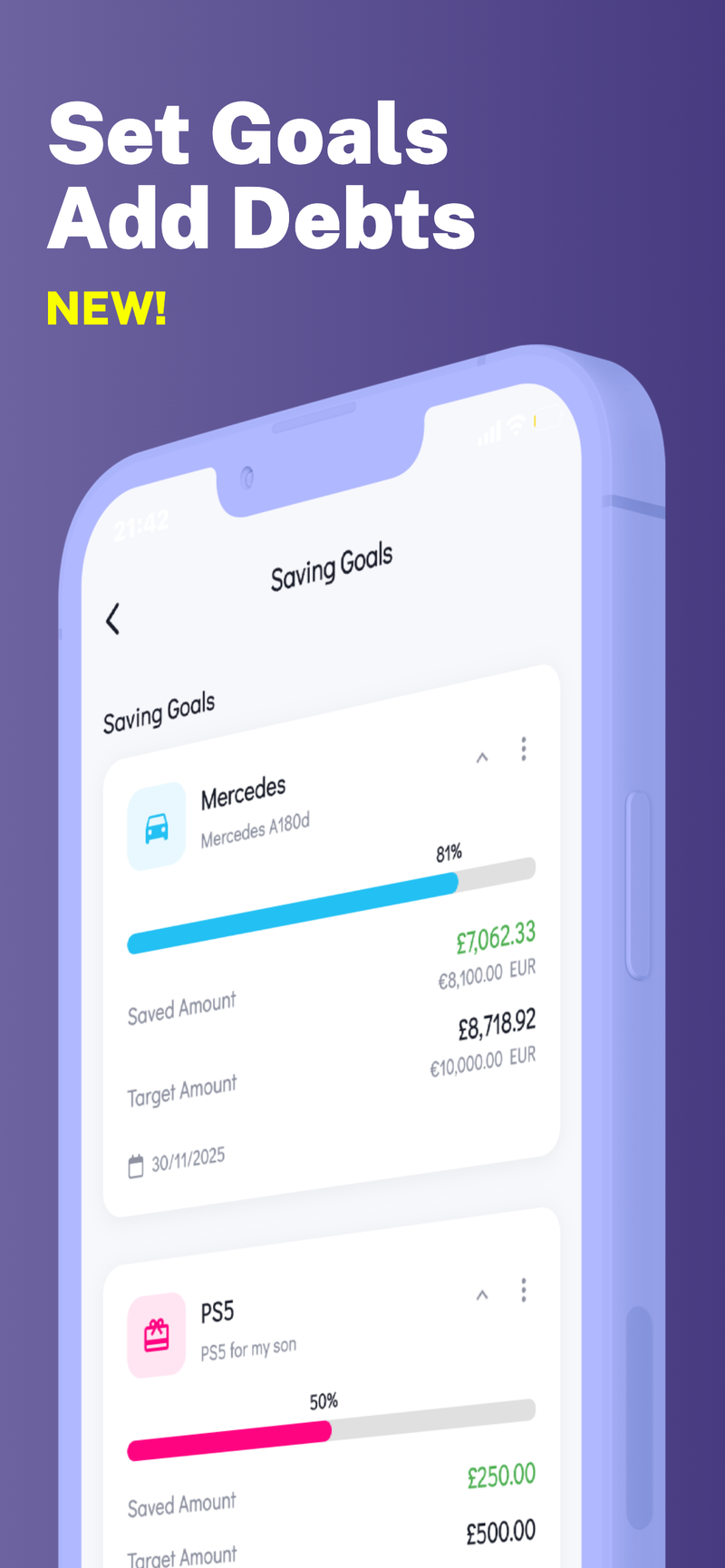
Keep a visible tracker—a simple spreadsheet or a dedicated savings notebook. Celebrate small milestones (e.g., reaching $500, then $1,000) to maintain motivation. Regular visibility helps you stay accountable and makes the next step less intimidating.
Conclusion
Building an emergency fund on a tight budget is less about grand sacrifices and more about consistent, purpose-driven habits. Start with a realistic goal, shave a little off daily expenses, automate as much as you can, and use small wins to compound your savings over time. Revisit your plan every few months and adjust as your circumstances change.
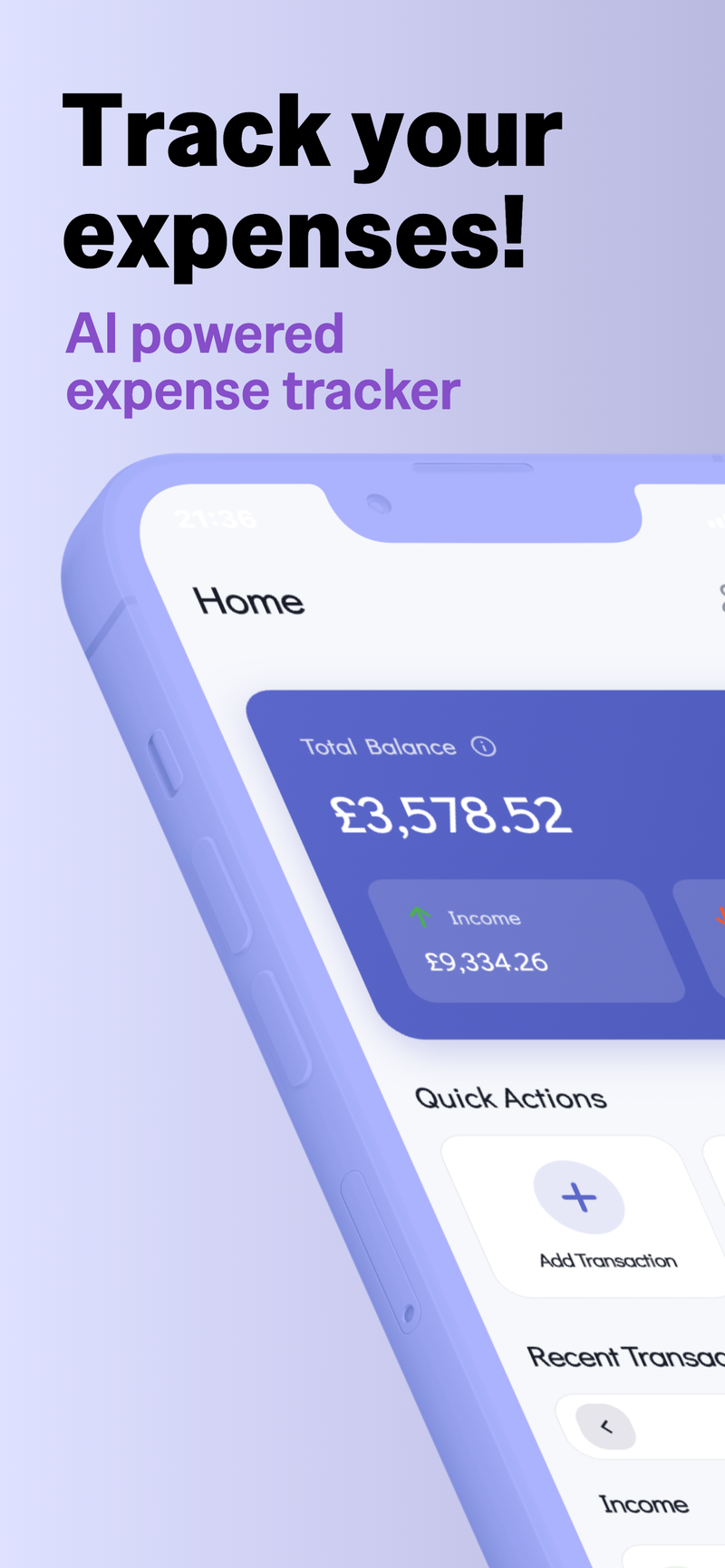
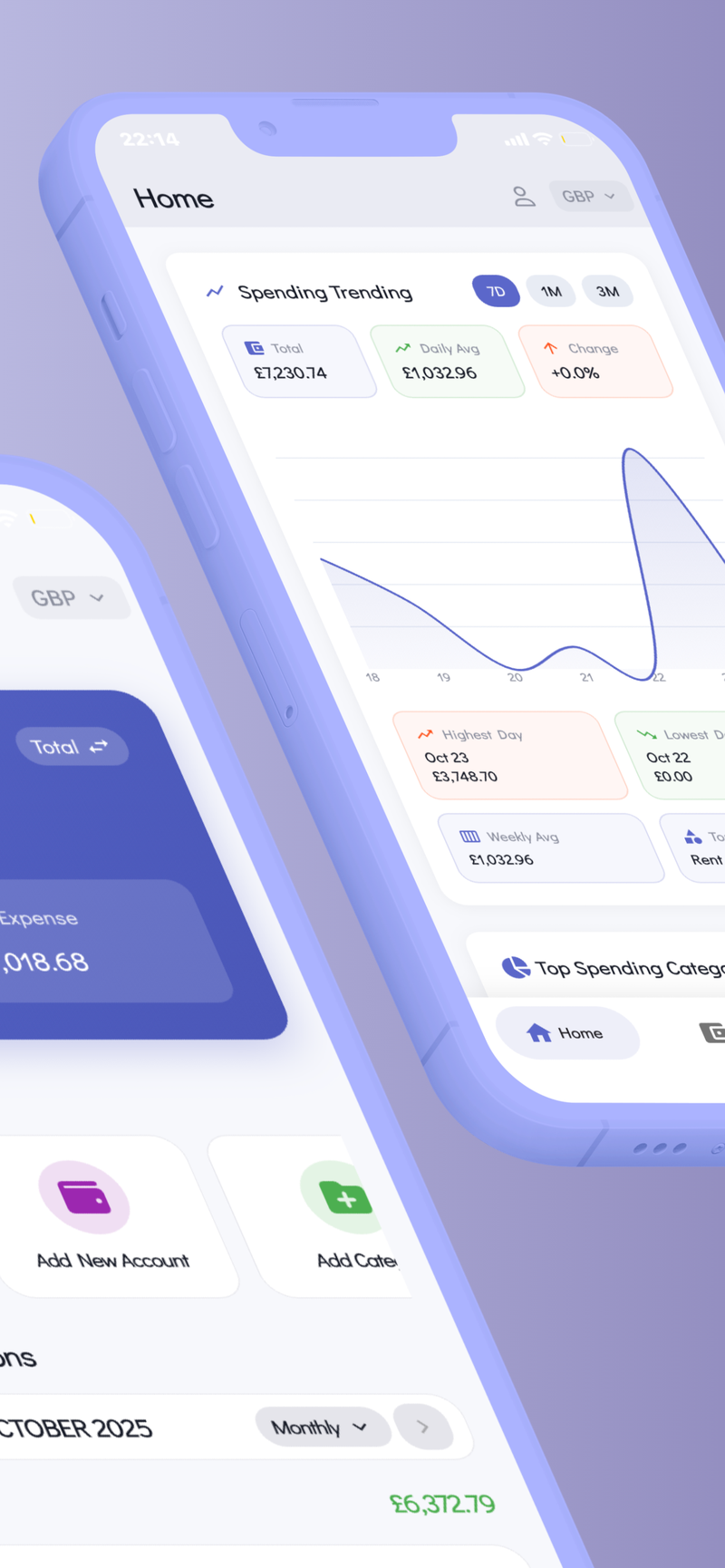
If you’re juggling multiple budgets for yourself and your family, a toolkit that helps you stay organized can be a real relief. Fokus Budget offers Multi-Profile Support—a practical feature for separating personal, household, and small-business finances while keeping data private on your device. It’s a subtle, helpful option to keep your emergency-fund journey orderly, especially when life gets busy.
✨ Multi-Profile Support