
·Health
How to Build an8-Week Plan to Stop Smoking for Good
This practical guide lays out an eight-week, week-by-week plan to quit smoking or vaping. It provides actionable steps, craving-management strategies, and maintenance tips designed to help you build lasting habits and stay motivated through the process.
smoking cessationquit smokingvapinghealthhabits
How to Build an 8-Week Plan to Stop Smoking for Good If you’ve tried to quit before and felt overwhelmed by cravings, you’re not alone. The cycle of withdrawal, habit, and stress can make quitting feel like an uphill battle—especially if you’re also dealing with vaping or dual-use. But a thoughtful, eight-week plan can turn a vague goal into a concrete, doable process. This guide gives you a practical framework, weekly milestones, and proven strategies to help you quit for good. ## The core idea: plan, prepare, and practice Quitting isn’t a one-time moment; it’s a series of small, repeatable steps. The aim is to reduce daily reliance during the first weeks, replace old habits with healthier ones, and build a sustainable routine that supports long-term abstinence. You’ll learn how to anticipate triggers, cope with cravings, and stay motivated even when the going gets tough. ## A week-by-week framework (weeks 1–8) ### Week 1: Set your quit date and prepare your environment - Choose a concrete quit date within the next 7 days. - Inventory triggers: morning coffee, after meals, social smoking, or vaping breaks. - Remove cigarettes, vape devices, lighters, and ashtrays from your immediate spaces. - Build a simple quit toolkit: sugar-free gum, water, a notepad to log cravings, and a reminder note about why you’re quitting. - Tell a trusted friend or family member you’re quitting and ask for support. - If you and a clinician agree it’s appropriate, discuss nicotine replacement options or other medically supervised aids. ### Week 2: Master craving management and replace the routine - Implement a craving delay: wait 10 minutes before giving in, then reassess. - Use quick replacements: a cold glass of water, a short walk, or 5 minutes of deep breathing. - Start a new mini-routine for common trigger moments (e.g., after meals, take a short stroll instead of lighting up). - Track every craving: where it came from, what you did, and how long it lasted. - Check in with your support buddy or group at least once this week. ### Week 3: Build coping strategies and social resilience - Identify your top three high-risk situations and plan alternatives for each. - Practice stress-reduction techniques: 4–6 minutes of mindfulness or a quick body scan. - If you crave nicotine, switch to a healthier habit for a day—e.g., journaling, quick exercise, or a hobby—but don’t substitute with another nicotine product. - Reflect on money saved and health gains from the first two weeks to build positive reinforcement. ### Week 4: Strengthen routines and celebrate small wins - Reinforce successful replacements and routines that worked in Weeks 2–3. - Reassess goals: are you aiming to completely quit, or reduce intake first? Adjust your plan accordingly. - Create a visible progress board (days smoke-free, money saved, health wins). - Plan for social situations where smoking or vaping is common; decide in advance how you’ll respond. ### Week 5: Move toward abstinence (if you’re not already there) - If you haven’t achieved complete abstinence, set a firm target for the next two weeks. - Increase accountability: schedule an extra check-in with your support network. - Consider joining a support group or partner with a quit buddy for weekly accountability calls. - Review triggers and ensure your coping toolbox has fresh items to try when cravings spike. ### Week 6: Deepen health gains and mental resilience - Track improvements: energy, sleep, taste and smell sensitivity, and breath capacity. - Normalize fluctuations in mood or cravings; use a plan to ride them out rather than giving in. - Maintain hydration, balanced meals, and regular physical activity to support withdrawal Management. - Prepare for a potential relapse, with a clear plan to resume the plan quickly if needed. ### Week 7: Prepare for high-risk events and travel - Map out strategies for events where smoking or vaping is prevalent. - Pack your quit toolkit and a go-to list of distractions. - Practice a “pause and breathe” routine during cravings to reduce impulsivity. - Revisit your reasons for quitting; write a fresh note to remind yourself why this matters. ### Week 8: Maintain momentum and plan for long-term success - Solidify your maintenance plan: how you’ll handle stress, social pressures, and holidays. - Celebrate your progress in a meaningful way that reinforces your commitment. - Set new non-smoker goals (fitness, creativity, financial savings) to keep motivation high. - Create a relapse-prevention plan: what to do the moment a craving hits and how to get back on track. ## Core strategies that apply every week - Craving management: delay, drink water, chew gum, breathe, and distract with a quick activity. - Trigger awareness: keep a simple log of what, when, where, and why you crave nicotine. - Sleep and nutrition: prioritize rest and balanced meals to ease withdrawal symptoms. - Movement: short bursts of activity (5–10 minutes) can reduce urges and improve mood. - Social support: share progress with someone you trust; consider a support group or buddy system. ## Practical tips and common-sense approaches - Set realistic expectations: quit attempts often require multiple tries. Each attempt teaches you more about your triggers and what helps you stay away from nicotine. - Replace the routine, not just the nicotine: if you smoked after meals, replace that moment with a brief walk or a 3-minute stretch. - Track progress, not perfection: log days smoke-free and money saved to reinforce positive momentum. - Be kind to yourself: setbacks happen. Have a plan to bounce back quickly rather than giving up entirely. - Consider professional guidance: a clinician can discuss nicotine replacement therapies, prescription options, or personalized quit strategies. ## Quick data points to keep in mind - Smoking is a leading cause of preventable death, contributing to about 480,000 deaths per year in the United States. - Quitting improves heart and lung health relatively


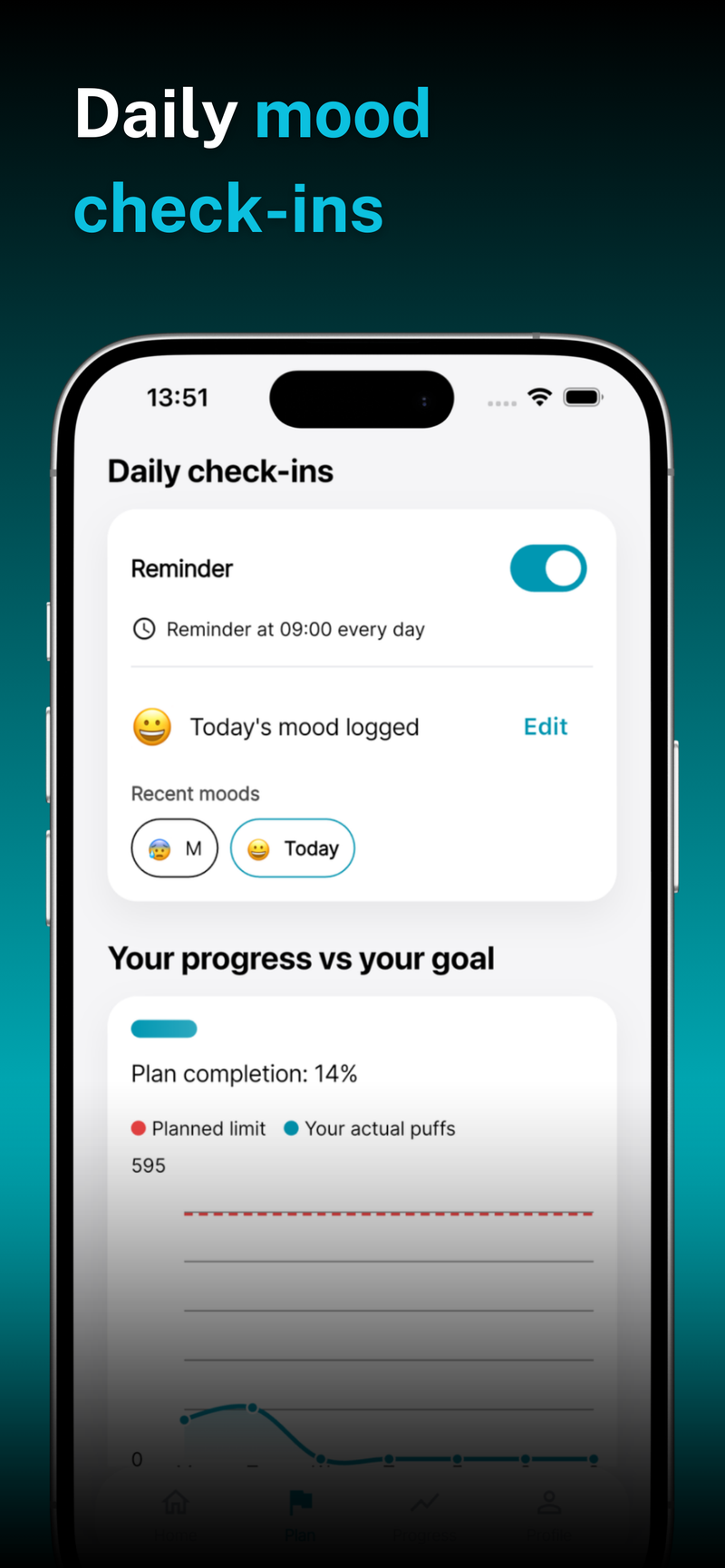

Daily MotivationProgress TrackingHealth MilestonesMoney Saved
💪 Onboarding & Personal Setup