Fokus Budget

Fokus Budget

AI-powered expense tracking

·Budgeting

How to Create a Family Budget That Actually Saves Money

Struggling to save while managing a busy family budget? This guide offers practical, actionable steps to track income, cut waste, and build real savings without sacrificing essentials or joy. Learn how to implement a simple framework and engage the whole family.

budgetingfamily financemoney managementpersonal financesavings

Introduction

Do you ever feel like your paycheck vanishes before the month ends? If you have a family to feed, clothe, and care for, money can feel more like a puzzle than a plan. The good news: a budget that actually saves money is built on simple, repeatable steps—not willpower alone. With a clear system, consistent tracking, and a few smart tweaks, you can turn everyday spending into real savings without sacrificing your family’s needs or happiness.

Main content

Build a budget that sticks: practical steps

#### Step 1: Start with real numbers

  • Track all income sources (pay, side jobs, gifts) and take-home pay for 1–2 months.

  • List every expense in 1 of 3 categories: needs, wants, and savings/debt payments.

  • Note irregular costs (car maintenance, birthday gifts, annual insurance) so they don’t surprise you.
  • #### Step 2: Use a simple framework as your anchor

  • A widely used baseline is the 50/30/20 rule: 50% needs, 30% wants, 20% savings/debt repayment. This helps you prioritize essentials while still allowing fun and growth.

  • If your situation is tighter, start with a 60/20/20 split and adjust as savings grow.
  • #### Step 3: Create sinking funds for big or irregular costs

  • Set aside small, regular amounts for predictable big expenses: car repairs, holidays, school supplies.

  • Treat these as mini-savings goals, not emergencies you’ll scramble for when the bill hits.
  • #### Step 4: Slash waste, not joy

  • Audit recurring subscriptions and memberships. Cancel unused ones and negotiate lower rates on essential services.

  • Review dining out, streaming, and impulse purchases. Use a simple rule: wait 24 hours before nonessential buys.
  • #### Step 5: Optimize essentials

  • Groceries: meal plan, write a precise shopping list, and compare unit prices. Batch cook to reduce waste.

  • Utilities: adjust thermostats, switch to LED bulbs, unplug idle electronics.

  • Transportation: carpool, maintain tires, and plan errands to cut fuel cost.
  • #### Step 6: Make savings automatic

  • Set up automatic transfers to a separate savings account right after payday.

  • Automate at least 20% of income if possible; treat savings as a fixed expense.
  • #### Step 7: Involve the family

  • Give kids age-appropriate budgets and small allowances to learn money management.

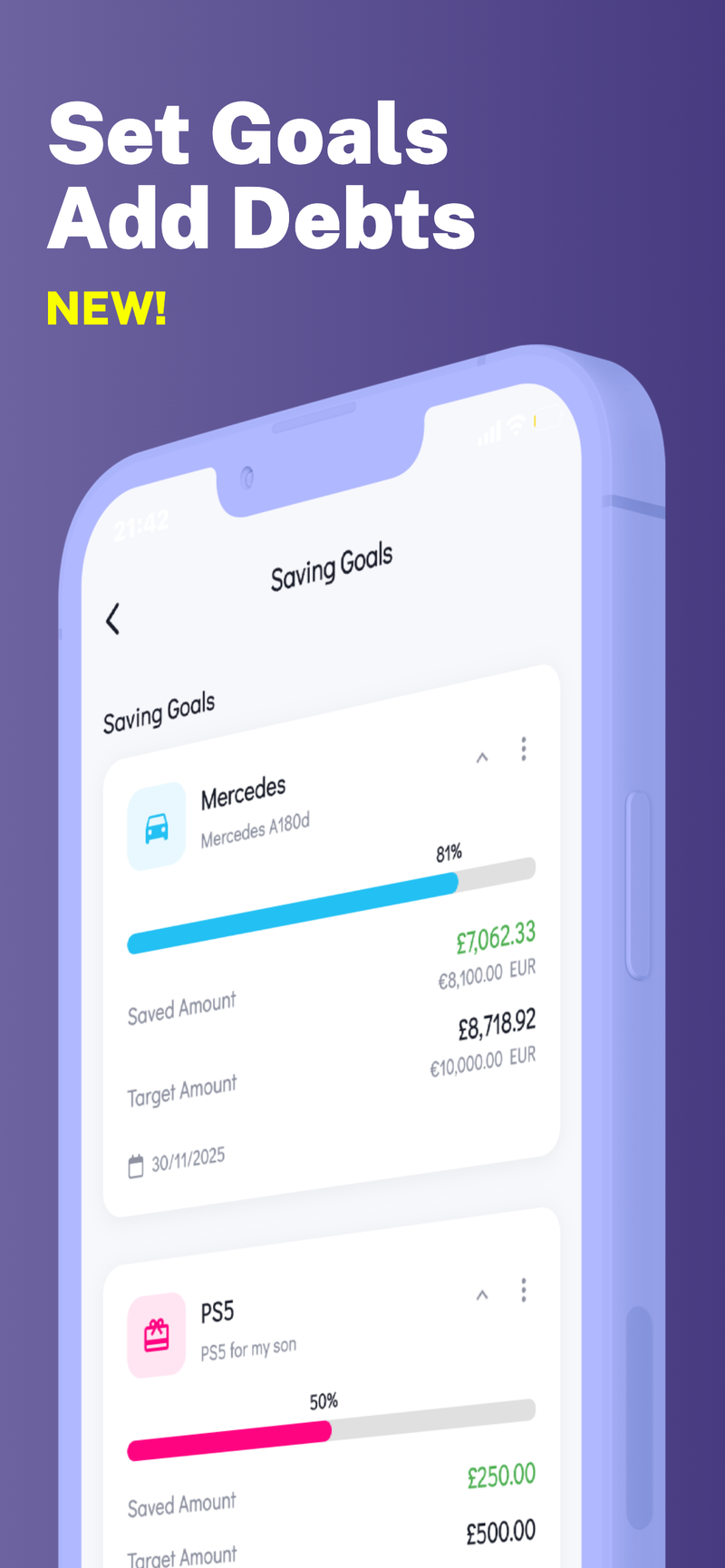
  • Establish family goals (vacation, new bike, college fund) and track progress together.
  • #### Step 8: Review monthly and adjust

  • Schedule a regular money check-in: review spending, compare to the plan, and reallocate as needed.

  • Celebrate small wins to keep motivation high.
  • #### Step 9: Plan for debt and future goals

  • Prioritize high-interest debt first (avalanche) or start with smaller balances (snowball) to build momentum.

  • Align long-term goals (emergency fund, college, retirement) with your monthly savings rate.
  • #### Step 10: Build an emergency fund

  • Aim for 3–6 months of essential expenses. Start with a smaller target (e.g., $1,000), then grow it as you stabilize income and expenses.
  • A quick-start example


    For a family with a take-home income of about $5,000 per month, a practical starting plan could look like this:
  • Needs (50%): $2,500 for housing, utilities, groceries, healthcare, transport.

  • Wants (30%): $1,500 for dining out, entertainment, nonessential subscriptions.

  • Savings/debt (20%): $1,000 toward an emergency fund, retirement, and debt payoff.
  • If savings are hard to reach, start smaller and increase the share as expenses come down or income rises. A simple two-page budget template (one page for income and fixed costs, one for variable spending) can keep you on track without overwhelming you.

    Practical tips to make it stick


  • Use a rule of thumb: if a category is consistently overspent, reduce the budget or find alternatives (e.g., cook at home more, switch to a cheaper plan).

  • Optimize source of income: side gigs or freelance work can provide a buffer during lean months.

  • Keep a “no-spend” week or month when opportunities arise—use the moment to reinforce healthy spending habits.

  • Build a safety net: even small, steady contributions add up and reduce reliance on credit when surprises appear.
  • Conclusion

    A family budget that saves money isn’t about deprivation; it’s about clarity, consistency, and collaboration. Start with honest tracking, apply a simple framework, automate what you can, and review regularly. The goal is financial resilience that supports your family’s priorities—health, education, time together, and peace of mind. If you’d like a budgeting solution that keeps sensitive data private on your device and helps manage multiple family profiles, consider a tool designed with these needs in mind. Fokus Budget offers Multi-Profile Support, letting you track personal, family, and kid budgets in one place while keeping your data secure. This kind of setup can make it easier to align daily habits with your savings goals, without turning budgeting into a chore.
    Fokus Budget icon

    Fokus Budget

    AI-powered expense tracking

    Free • In-App Purchases
    GET
    Dashboard
    Analytics
    Transactions
    Categories
    Reports
    AI Receipt ScanningMulti-CurrencyBank ImportPrivacy-First

    Multi-Profile Support

    Related Articles

    Fokus Budget

    AI-powered expense tracking