
·Budgeting
How to Create a Simple Monthly Budget That Sticks
A practical, beginner-friendly guide to building a monthly budget you can actually stick to. Learn a simple process: track spending, choose a budgeting method, automate, and review weekly. Realistic steps for lasting money habits.
budgetingpersonal-financefamily-financesexpense-trackingfinancial-planning
Introduction
Ever feel like your money disappears before you decide what to do with it? You plan to budget, but mid-month life wipes it clean. You’re not alone. A simple, repeatable system is often all you need to stop the cycle of overspending and guilt. The goal isn’t perfection; it’s a consistent, realistic plan you can actually follow month after month.
Step 1: Start with reality and clear goals
Step 2: Track what you actually spend
Step 3: Pick a budgeting method that fits your life
There’s no one-size-fits-all approach. Choose a framework you can maintain.
50/30/20 rule
Zero-based budget
Envelope or digital envelope approach
Step 4: Build your monthly budget in bite-sized steps
1) List all income sources and total take-home pay.
2) List fixed expenses (rent, debt, insurance, subscriptions).
3) Estimate variable expenses (groceries, gas, utilities, dining out).
4) Set target amounts for each category based on the method you chose (e.g., 50/30/20 or zero-based).
5) Build a small cushion or buffer for unexpected costs (usually 5–10% of income or a fixed dollar amount).
Step 5: Automate and simplify
Step 6: Review and adjust regularly
Step 7: Plan for irregular income and seasonal costs
Conclusion
Building a monthly budget that sticks starts with honesty about your spending, a realistic framework, and a simple routine you can repeat. Track what you spend, choose a method that fits your life, automate predictable parts, and review regularly. The goal is steady progress, not perfection, so adjust as life evolves and celebrate small wins along the way.
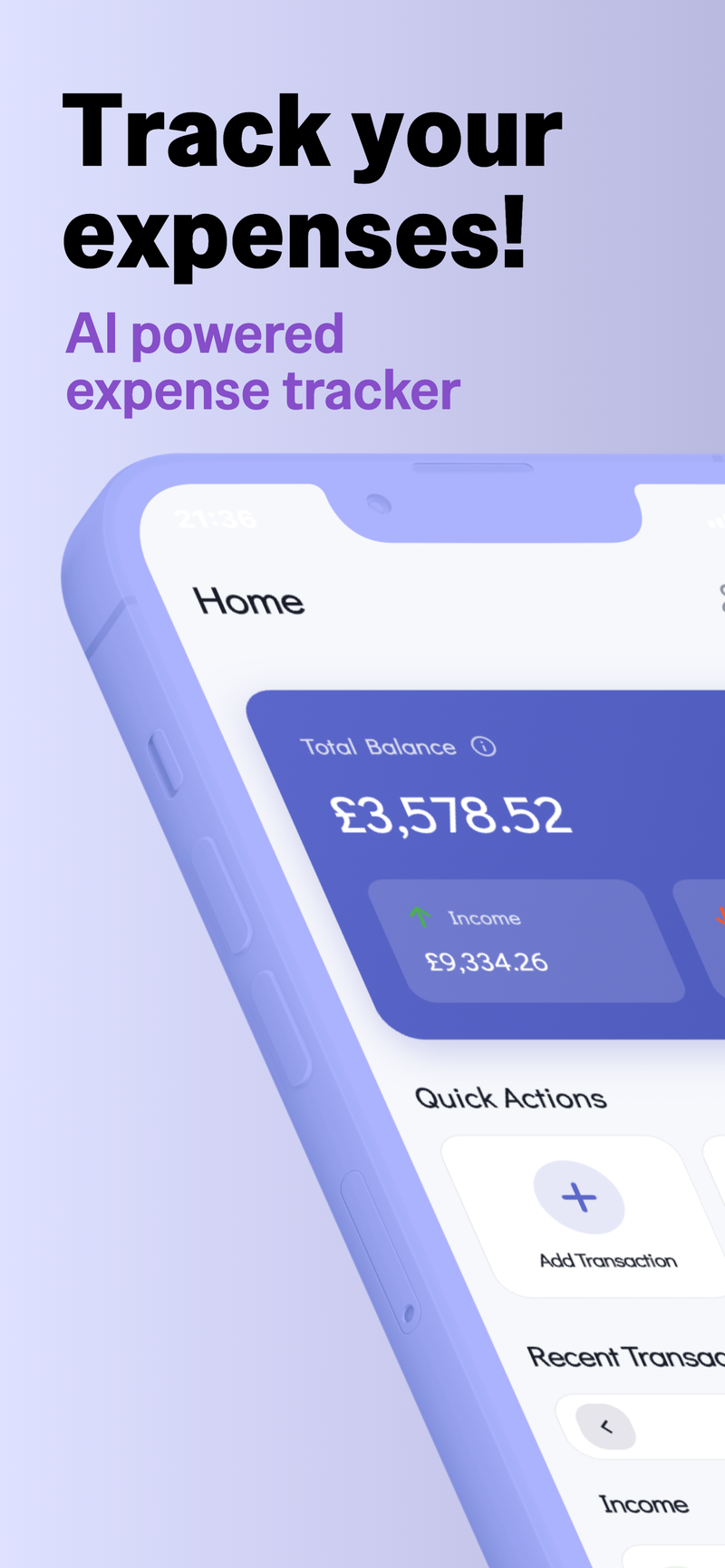
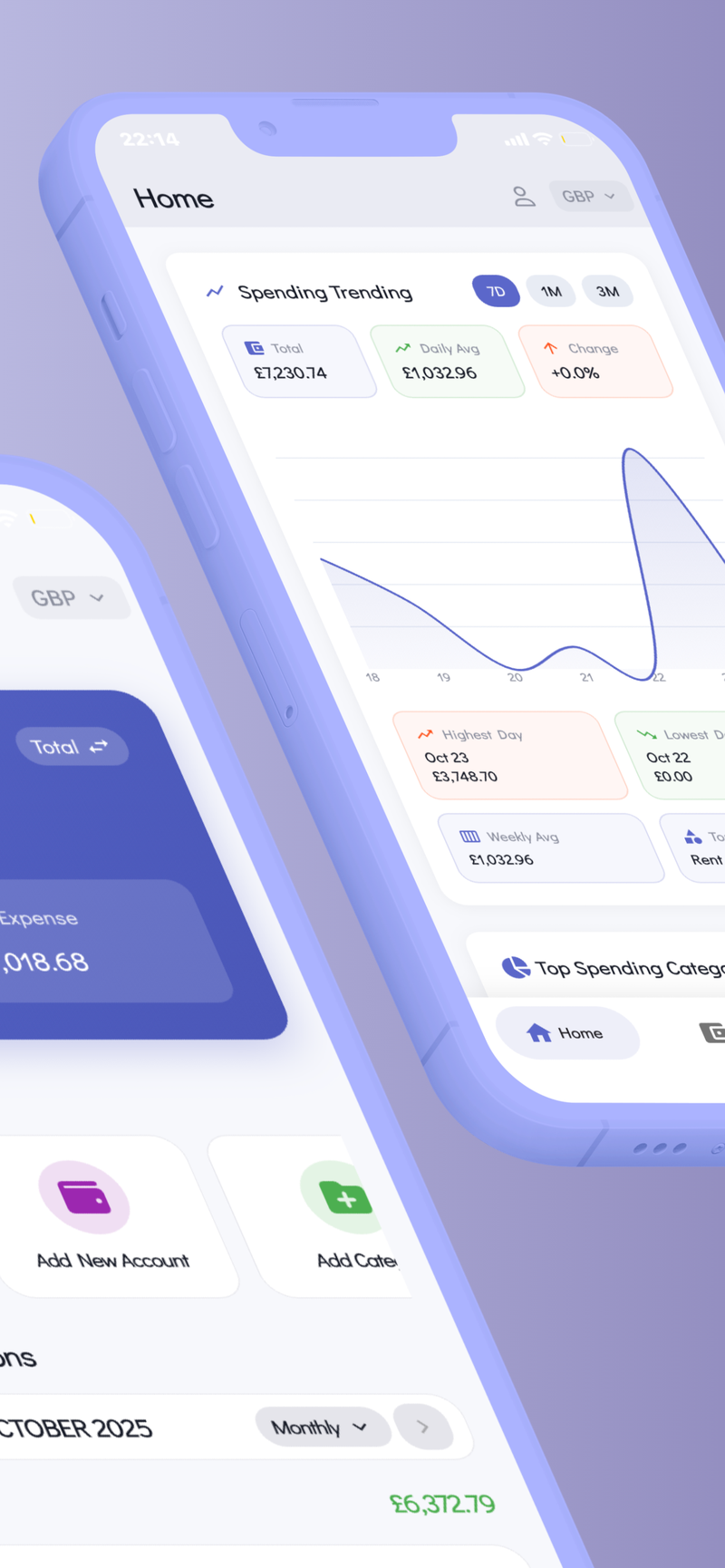
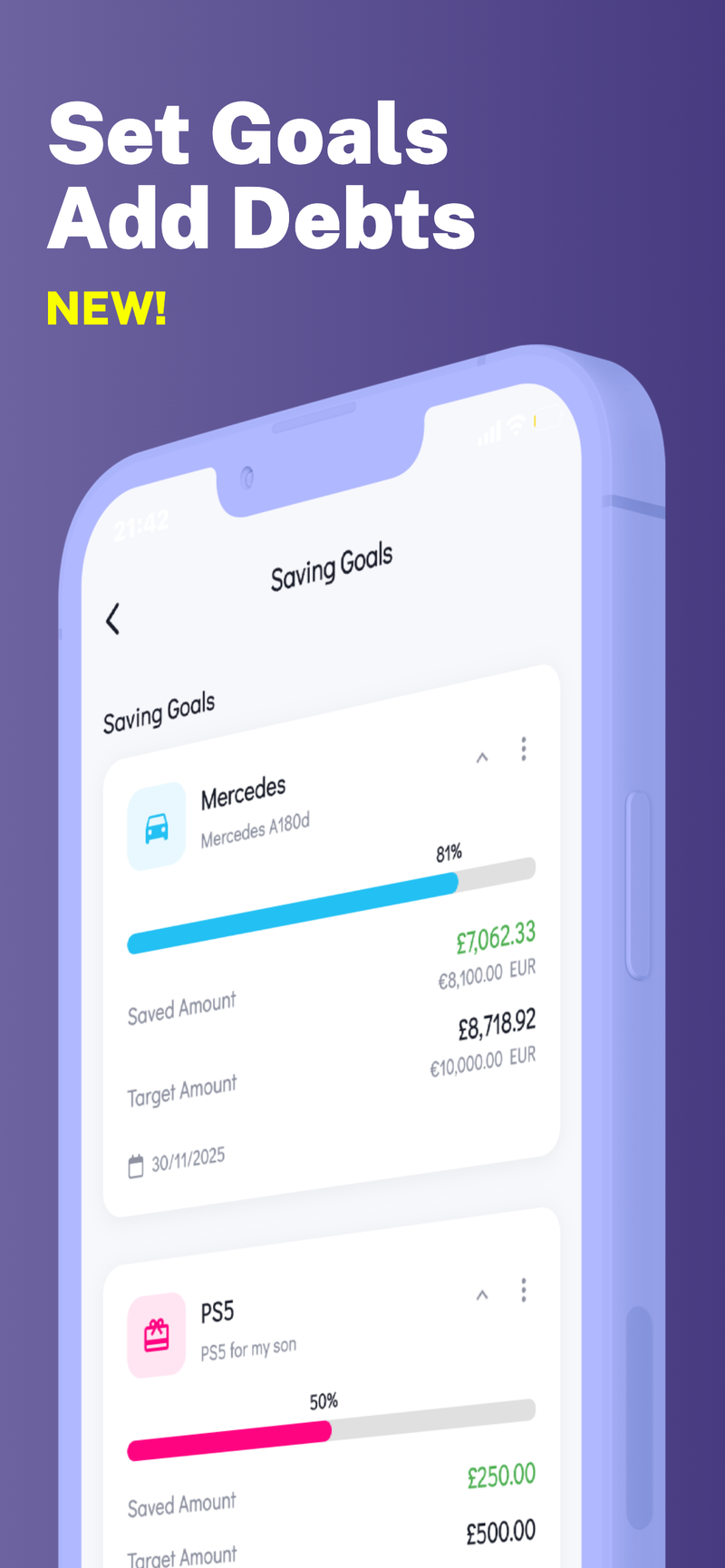
If you’re looking for a tool to help you implement these ideas without clutter or complexity, Fokus Budget can help. It emphasizes privacy and on-device data storage, with features like multi-profile support to keep personal, family, or small-business budgets organized in one place. This kind of structure can make sticking to a monthly budget feel less like a burden and more like a natural habit.
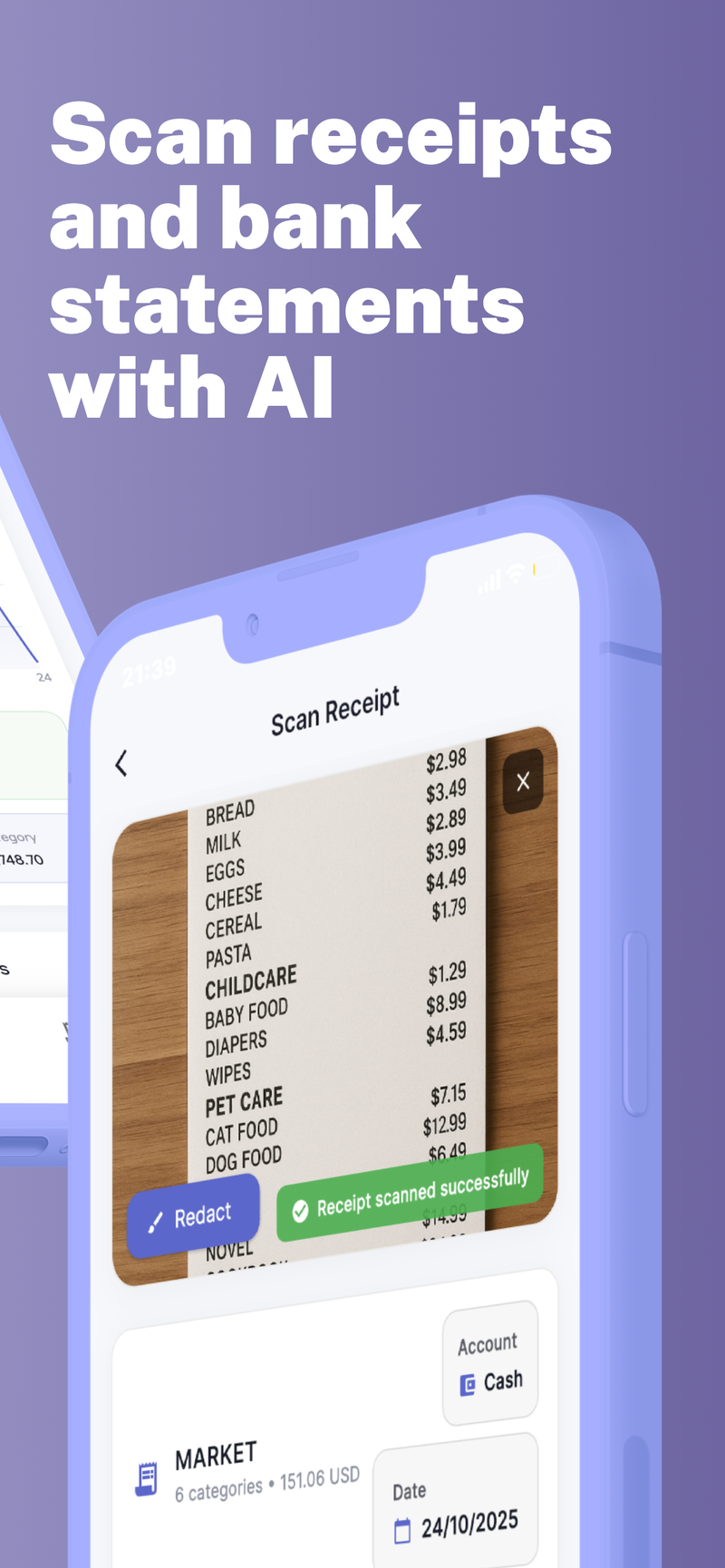
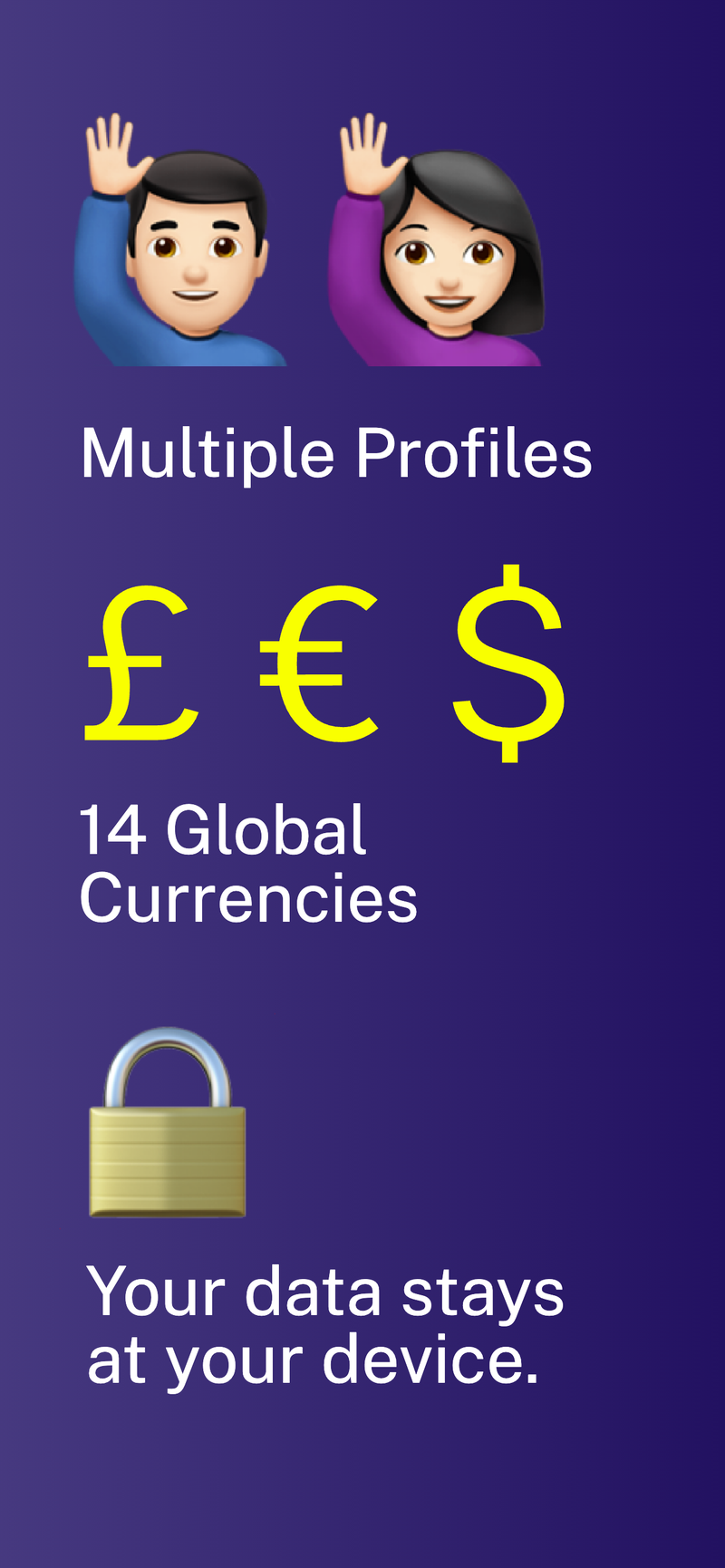
AI Receipt ScanningMulti-CurrencyBank ImportPrivacy-First
✨ privacy-focused on-device data storage