
How to Implement Zero-Based Budgeting for Your Family
Learn a practical, step-by-step approach to zero-based budgeting for families. This guide covers how to map income, assign jobs to expenses, and keep your family aligned on spending and savings.
Introduction
When the month ends and your bank account still feels light, it’s hard to pin down where money went. You’re not alone: many families juggle variable expenses, irregular income, and the constant pull of wants vs. needs. Zero-based budgeting offers a straightforward way to regain control by giving every dollar a job before the month begins. It’s less about restriction and more about clarity—so you can align spending with your values and long-term goals.
This guide walks you through a practical, family-friendly approach. No complicated formulas, just a clear process you can implement tonight and adjust as your family’s needs evolve.
What zero-based budgeting is and why it works
The core idea: every dollar has a job
With zero-based budgeting, you assign every dollar of income to a category until the total equals your income minus savings and debt payments. The idea isn’t to spend every penny on fixed needs, but to ensure nothing is left unplanned. If you earn $6,000 in a month, you decide exactly how each $1, from rent to groceries to a family activity, will be spent or saved. If you still have money left after assigning jobs, you either increase savings or adjust categories to align with goals.
How it compares to other methods
Traditional budgets often set targets for categories and then drift as the month unfolds. Zero-based budgeting forces a real-time decision: what will this $20 buy today? What does this week’s groceries plan look like? That daily accountability tends to reduce overspending and build momentum toward savings and debt reduction.
Step-by-step: implementing for your family
1) Gather your numbers
2) Define your “jobs” for the month
List every category where money will go and give each a purpose. Examples:
3) Allocate the income
Start with essential needs and goals, then assign a portion to every category until you reach zero (or very close). If you have debt, ensure a line item for debt payoff is included with a concrete amount.
Example: Monthly income $5,000
Total = $5,000 (zero-based)
4) Create a simple, repeatable process
5) Build a family-friendly workflow
6) Manage variable and irregular expenses
7) Use a simple template or worksheet
8) Common friction points and fixes
9) Practical tips that move the needle
10) Realistic expectations
Zero-based budgeting isn’t a one-and-done fix. It’s a discipline that grows with time. Expect a learning curve as you tweak category sizes and adjust for life changes (school starts, new job, etc.). The payoff is greater clarity, reduced stress around money, and a clearer path to goals.
Quick-start checklist
Conclusion
Zero-based budgeting gives your family a practical framework to turn money into a tool for your goals. By assigning a job to every dollar, you’ll likely find savings opportunities, reduce impulse purchases, and create a clearer path toward debt payoff and long-term security. If you’re looking for a tool to simplify this process while keeping your data private, Fokus Budget can help with on-device privacy and multi-profile support, making family budgeting smoother and more secure.



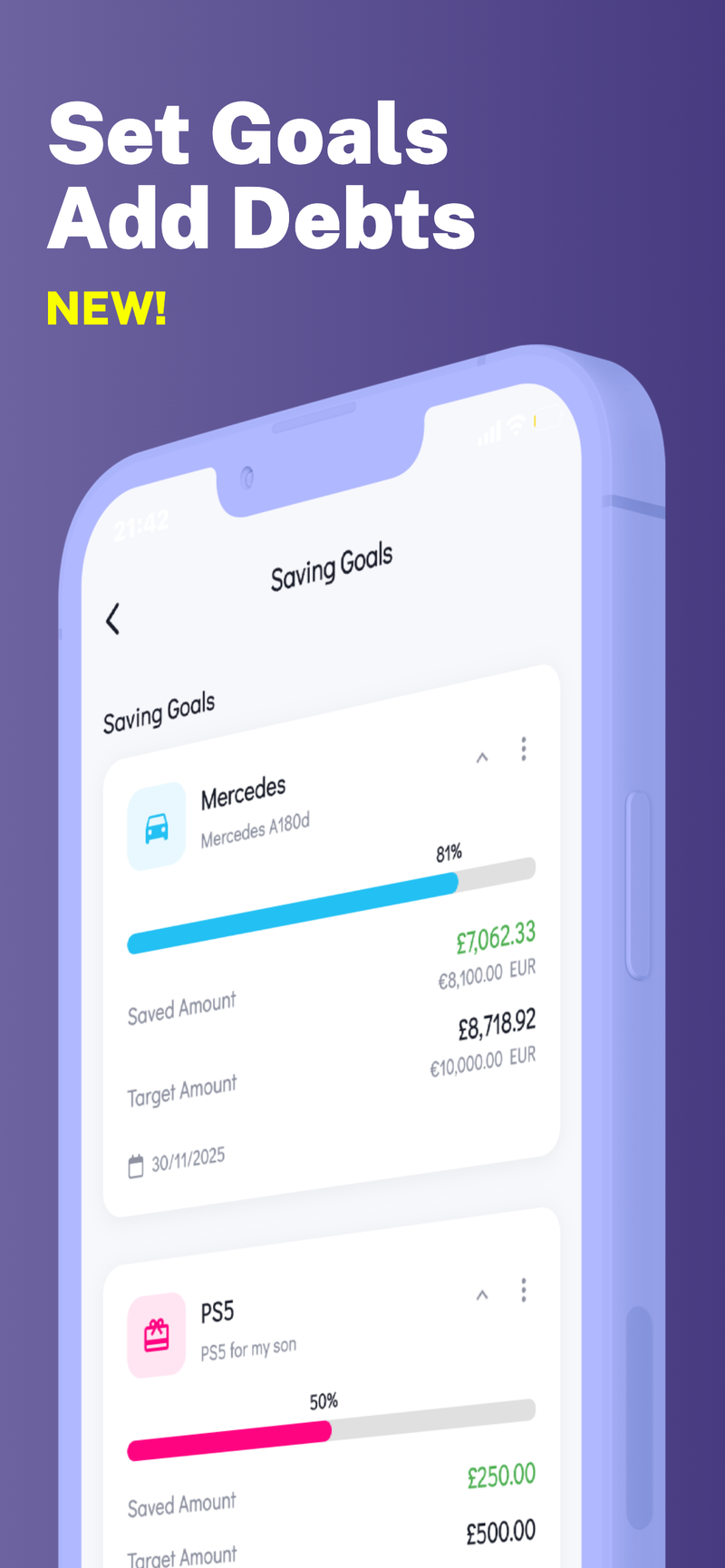

✨ On-device data privacy (privacy-first data storage) for budgeting