Introduction
When prices rise, family budgets feel the squeeze. Groceries cost more, gas is pricier, and even the usual bills can suddenly push cash flow into the red. The instinct is to panic, slash every line item, or wait for the moment to pass. But a calm, deliberate plan can protect what matters most: shelter, food, health, and peace of mind.
This guide offers practical, actionable steps you can implement this month. You’ll learn how to ground your plan in reality, choose a sustainable budgeting method, and build resilience against future price shocks. The goal is not deprivation but smart adjustments that keep your family moving forward.
Reframe and reset: a practical approach
1. Ground your plan in reality
Track income and every expense for a full month to see where your money actually goes. This includes smaller costs like subscriptions, coffee runs, and loose change.Separate needs from wants. Housing, utilities, food, transportation, health care — these are essentials. Everything else goes into a discretionary category you can tighten if prices rise.Use a simple baseline: what are your non-negotiables each month, and what can be flexed without harming your family’s well being?2. Choose a budget model you can sustain
Zero-based budgeting: give every dollar a job. Income minus expenses equals zero at month end, with a line item for savings or debt payoff.Or a modified 50/30/20 approach: 50 for essentials, 30 for wants, 20 for savings and debt. When costs rise, you tighten the wants portion first while protecting essentials and savings goals.Pick a rhythm that fits your family: monthly reviews work well for some, biweekly check-ins for others.3. Build a small cushion for rising costs
Aim to create a inflation cushion within your essential spending. A practical target for many families is to allocate 5–10 percent of a category’s current budget as a buffer for price increases.If you already carry debt, prioritize lowering high-interest balances while maintaining essential expenses. Small, steady gains compound over time.4. Prioritize essentials: musts vs nice-to-haves
Make a must-have list for every category: housing, utilities, groceries, transport, insurance, healthcare. Everything else becomes negotiable.For groceries, for example, plan meals around affordable staples and seasonal produce. For energy, adjust thermostat settings by a degree or two and unplug unused devices.5. Cut costs with smart, measurable steps
Meal planning can cut grocery bills by a meaningful margin. Batch cook, use leftovers creatively, and compare unit prices rather than package prices.Shop generic brands, buy in bulk for non-perishables, and use coupons or loyalty programs strategically.Review all subscriptions and memberships. Cancel those you seldom use or switch to cheaper tiers.Consider alternating between car trips and public transport or carpooling to reduce fuel and maintenance costs.6. Tackle bills and negotiate where possible
Call service providers to explore lower-rate plans, bundle options, or loyalty discounts. Even a small monthly saving adds up over a year.If debt is part of the pressure, explore a lower interest refinancing option or a repayment plan that reduces monthly payments without harming credit.7. Find ways to increase income or reduce debt
Think small but steady: a side gig, freelancing, or selling unused items can provide a welcome cushion.Use a debt payoff method that fits your situation. The snowball approach tackles smaller balances first for quick wins, while the avalanche targets high-interest debt first to reduce overall costs.8. Automate, monitor and adjust
Set up automatic transfers to savings and emergency funds, so progress happens without constant effort.Use budget alerts to flag when a category nears its cap. A quick weekly check helps you stay ahead rather than chasing overspending at month end.9. Involve the family and set shared goals
Hold a short weekly budget huddle with the household. Assign roles: who tracks groceries, who updates the plan, who looks for saving opportunities.Frame goals around shared priorities such as paying down debt, building an emergency fund, or saving for a family activity. Small, visible progress keeps everyone committed.10. Prepare for the next price shock
Build an emergency fund that covers 3–6 months of essential expenses. If your monthly essentials run around 3,000, a target of 9,000–18,000 provides a meaningful safety net.Update your plan at least quarterly to reflect new prices, wage changes, or shifts in family needs. A living budget is a resilient budget.Conclusion: take control with a practical plan
Price shocks don’t have to derail your family finances. By grounding your plan in reality, choosing a sustainable budgeting method, and building a small cushion for volatility, you can protect essentials and still afford the things that matter most. Regular reviews, clear priorities, and simple automation make this approach repeatable and less stressful.
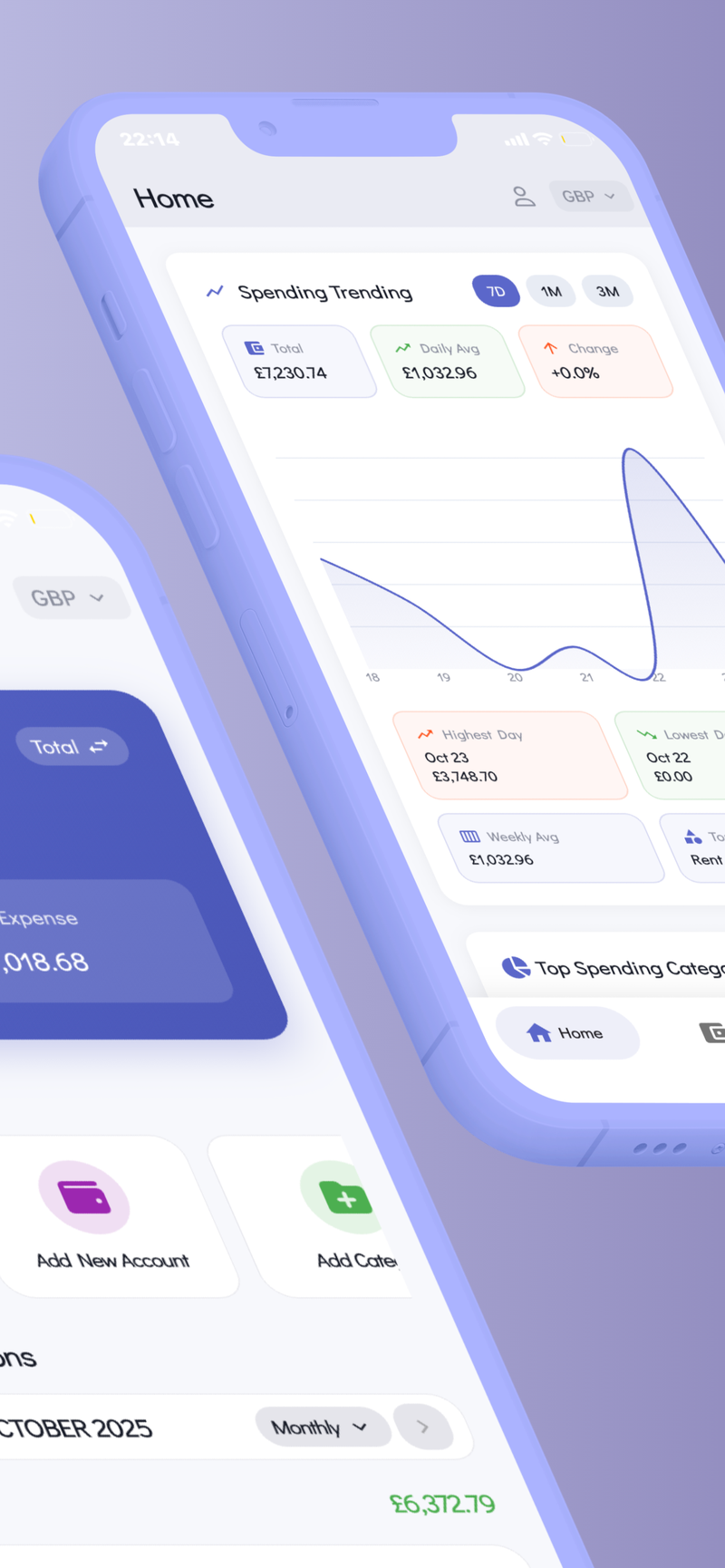
If you’re managing multiple family budgets or simply want a tidy, private way to track your money across several profiles, consider a tool that supports Multi-Profile Support. It can help you maintain clarity while keeping data secure on your device and making shared goals easier to reach. Small steps done consistently beat big, last minute scrambles every time.