
How to Pause Impulse Buys and Save Each Month Consistently
Impulse buys can derail monthly budgets, but a few practical rules can turn spending into deliberate choices. Learn how to map triggers, apply a cooling-off rule, and build a small, consistent savings habit that compounds over time.
Introduction
Do you ever finish a shopping session with more items than you planned, wondering where the money went? Impulse buys happen to the best of us—especially when emotions, online ads, or checkout prompts push us toward quick, unplanned purchases. The result? A less predictable month, less progress toward savings, and that nagging feeling of wasted potential.
The good news: you can pause impulsive urges without sacrificing everyday needs. With a simple framework and a few habit changes, you can convert spur-of-the-moment spends into deliberate choices that align with your goals.
Understanding the impulse-buy habit
Impulse buying isn’t a sign of weakness; it’s a mix of psychology and environment. Here are common triggers:
Think of impulse buys as a leakage in your budget. If you’re not mindful, a small item here and there adds up. In practice, even modest impulse purchases—say $5 to $15—can accumulate to a meaningful amount over a month. For many households, a small weekly impulse habit can amount to hundreds of dollars annually if left unchecked.
Build a simple, repeatable plan
Map your triggers
Set a monthly impulse budget
Use a cooling-off rule
Create a wishlist or sinking fund
Practical strategies you can implement today
Make it harder to buy impulsively
Delay tactics that build discipline
Use a discretionary fund with a limit
Prioritize true value and ROI
Leverage budgeting basics to sustain momentum
Track, review, and adjust
Automate where it helps
Involve the household
Common pitfalls and how to recover quickly
Quick-start plan (actionable steps)
1) List your top impulse categories (clothes, gadgets, snacks, online subscriptions).
2) Set a realistic monthly impulse budget and aim to reduce it each month.
3) Apply the 24-hour rule for any non-essential item.
4) Move potential purchases to a wishlist or dedicated fund for a set period (e.g., 30 days).
5) Review weekly spending and adjust goals as needed.
Conclusion
Curbing impulse buys is less about denying yourself and more about building deliberate habits that align with long-term goals. With a clear trigger map, a practical cooling-off rule, and a simple fund for discretionary spending, you can protect your monthly savings without feeling deprived. Start small, stay consistent, and let steady progress compound over time.
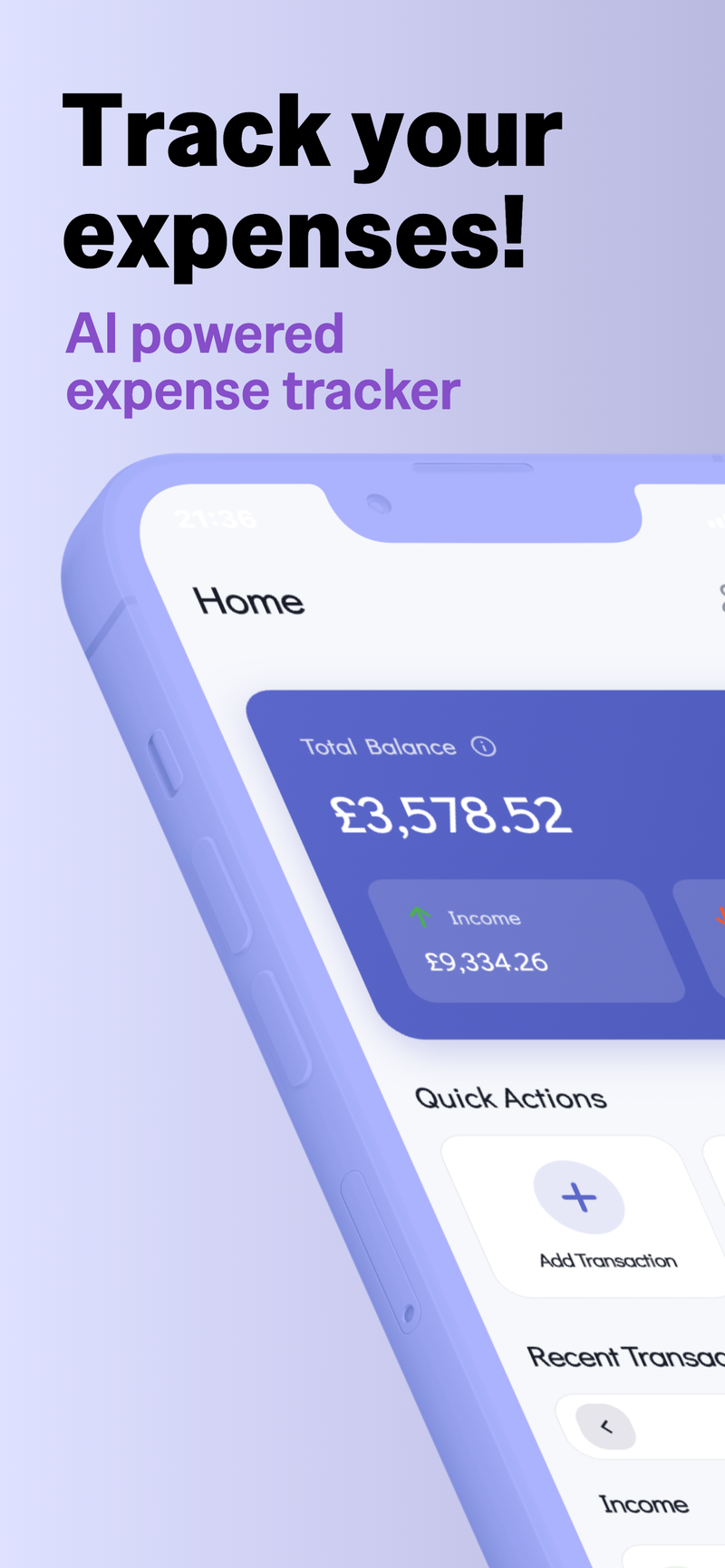
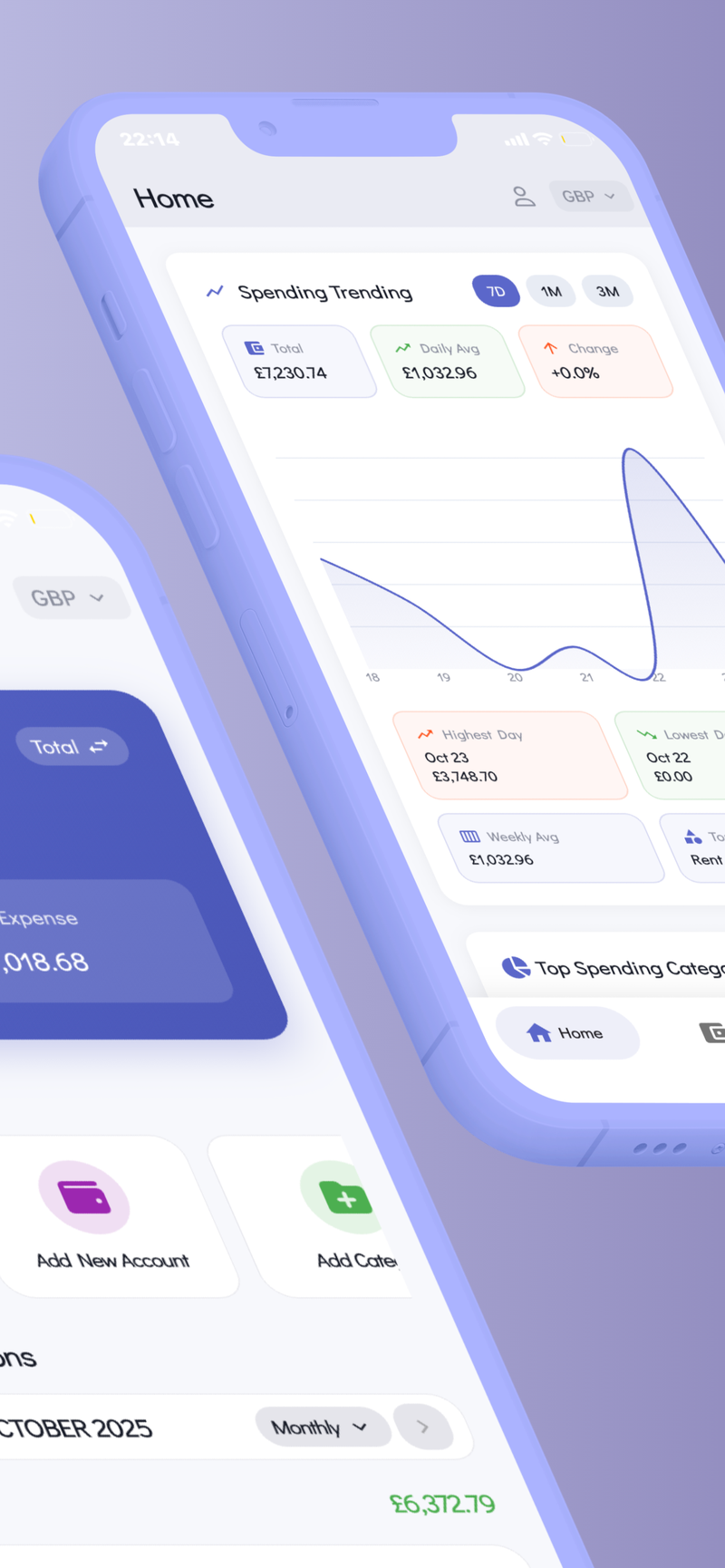
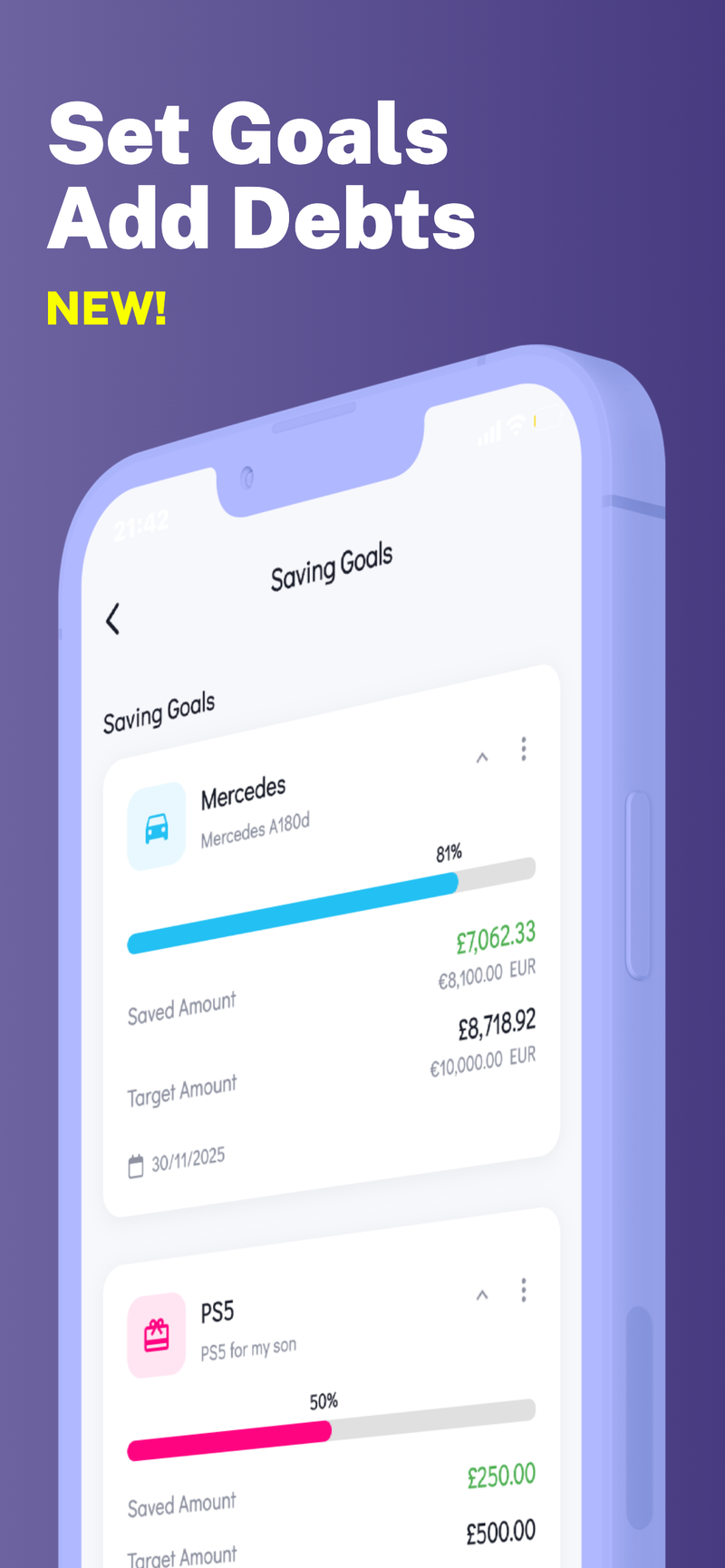
If you’re looking for a private budgeting tool to help manage multiple budgets and track progress across your family or personal goals, consider Fokus Budget. It emphasizes privacy and on-device data, with features like Multi-Profile Support to keep personal and family finances organized and secure. This kind of structure can support you as you implement the strategies above and stay on track toward your monthly savings targets.


✨ Multi-Profile Support