Introduction
Are you staring at another grocery receipt and wondering where the numbers went? A tight family budget can feel like a constant tug-of-war between needs and small luxuries. When prices rise and paychecks stay flat, the math isn’t the obstacle—the method is. This guide helps you shift from reactive spending to a deliberate, needs-first approach that keeps your family safe and comfortable.
You’ll learn to separate essential costs from discretionary spend, build a straightforward plan, and involve everyone in the process. The goal isn’t perfection but steady improvement that survives real life—late bills, sick days, and unexpected costs.
Main Content
1) Start with a clear inventory of monthly expenses
List every recurring payment: housing, utilities, groceries, transportation, healthcare, insurance, debt minimums, childcare.Separate essentials from discretionary items: dining out, streaming services, impulse buys.Create a simple one-page sheet or spreadsheet: expense name, scheduled date, amount, and category.Example: A family spending roughly 30-35% of income on housing, 12-15% on food, and 12-20% on transportation is fairly typical, though costs vary by location. Knowing where the biggest chunks go helps you target real levers.2) Build a needs-first budget framework
Define three buckets: Must-Haves (housing, utilities, food, healthcare), Important but Flexible (transport, childcare, insurance), Nice-to-Have (dining out, entertainment).Step-by-step: 1) List all monthly expenses.
2) Classify each as Must-Have, Flexible, or Nice-to-Have.
3) Set target allocations for Must-Haves first. If a category exceeds its target, trim in Flexible or Nice-to-Have areas.
4) Forecast for at least three months to anticipate seasonal spikes (holiday meals, back-to-school supplies).
Tip: Prioritize fixed costs (rent/mortgage, utilities, insurance) before discretionary spending; this keeps a stable baseline when income dips.3) Cut costs without sacrificing essentials
Groceries: plan meals for the week, make a shopping list, batch-cook, and use store brands. Compare unit prices, and buy in bulk for non-perishables.Housing and utilities: tighten energy use (LED bulbs, efficient thermostats, weather stripping). Consider renegotiating with providers or switching plans if possible.Transportation: carpool, use public transit when feasible, combine trips to save fuel.Health and insurance: use generic medications when appropriate, review coverage annually to avoid gaps or duplicate protections.Debt and interest: focus on high-interest debt first (avalanche method) or tackle smallest balances to gain momentum (snowball method). Even a modest payment above the minimum can reduce total interest over time.Discretionary cuts: temporarily pause nonessential subscriptions and entertainment spend; redirect that money to essentials or savings.4) Build a small emergency fund, even on a lean budget
Start with a modest target (for example, $500–$1,000) to cover minor surprises without derailing essential spending.If you can’t save every month, set a fixed weekly round-up: whenever you round up a payment to the next dollar, the difference goes to savings.Gradually raise the goal as stability improves—aim for 1–3 months of essential expenses over time.A small buffer reduces the need to rely on high-interest credit during setbacks.5) Manage debt and payments wisely
Keep at least the minimums current to avoid penalties, then allocate any extra funds toward the highest-interest balances.Consider a targeted payoff plan: tackle one debt at a time if the payoff feels achievable; switch to a broader approach if multiple high-interest debts exist.Revisit loan terms or refinancing options when possible to lower monthly payments or interest rates.6) Track, review, and adjust regularly
Do a quick weekly check: compare actual spending against the plan, note any variances, and adjust the next week’s budget accordingly.Do a fuller review every month: review receipts, update forecasts, and reallocate funds to align with current needs.Keep it simple: use a single sheet or a basic app you trust; the key is consistency, not complexity.7) Involve the family and set shared goals
Hold a monthly family meeting to discuss progress, celebrate small wins, and adjust goals.Assign age-appropriate tasks (meal planning, grocery list accuracy, tracking categories) to encourage ownership and accountability.Translate numbers into relatable goals (saving for a family outing, new school supplies) to keep motivation high.8) Plan for irregular income and seasonal costs
If income fluctuates, base monthly planning on a conservative average and build a lean-to buffer for lean periods.Create a “slush fund” for seasonal spikes (back-to-school, holidays) by setting aside a small amount each month.Consider revenue diversification (freelance work, side gigs) to smooth gaps without relying on credit when times are tight.9) Build resilience with community resources and smart shopping
Leverage local resources: food banks, energy assistance programs, and community health clinics can reduce essential costs.Tap into freebies and discount programs for families (library programs, museum passes, community events).Use price tracking and coupons strategically; avoid impulse buys by sticking to the planned list.Conclusion
Prioritizing essentials in a tight family budget is about steady, repeatable steps rather than dramatic overhauls. Start with a clear inventory, separate needs from wants, and implement small, consistent savings and debt-relief actions. Regular check-ins keep the plan alive even when life gets messy, and involving the whole family builds a sustainable culture of mindful spending.
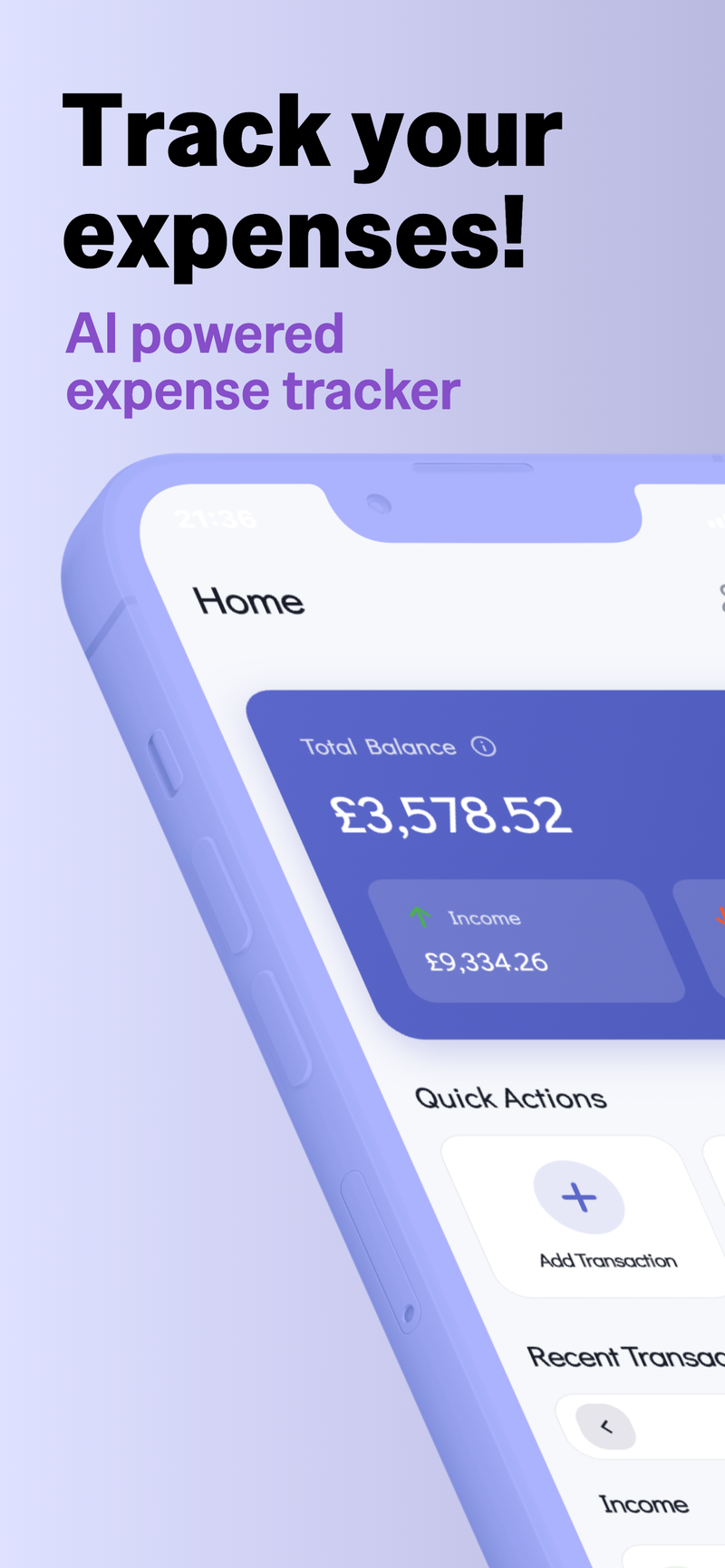
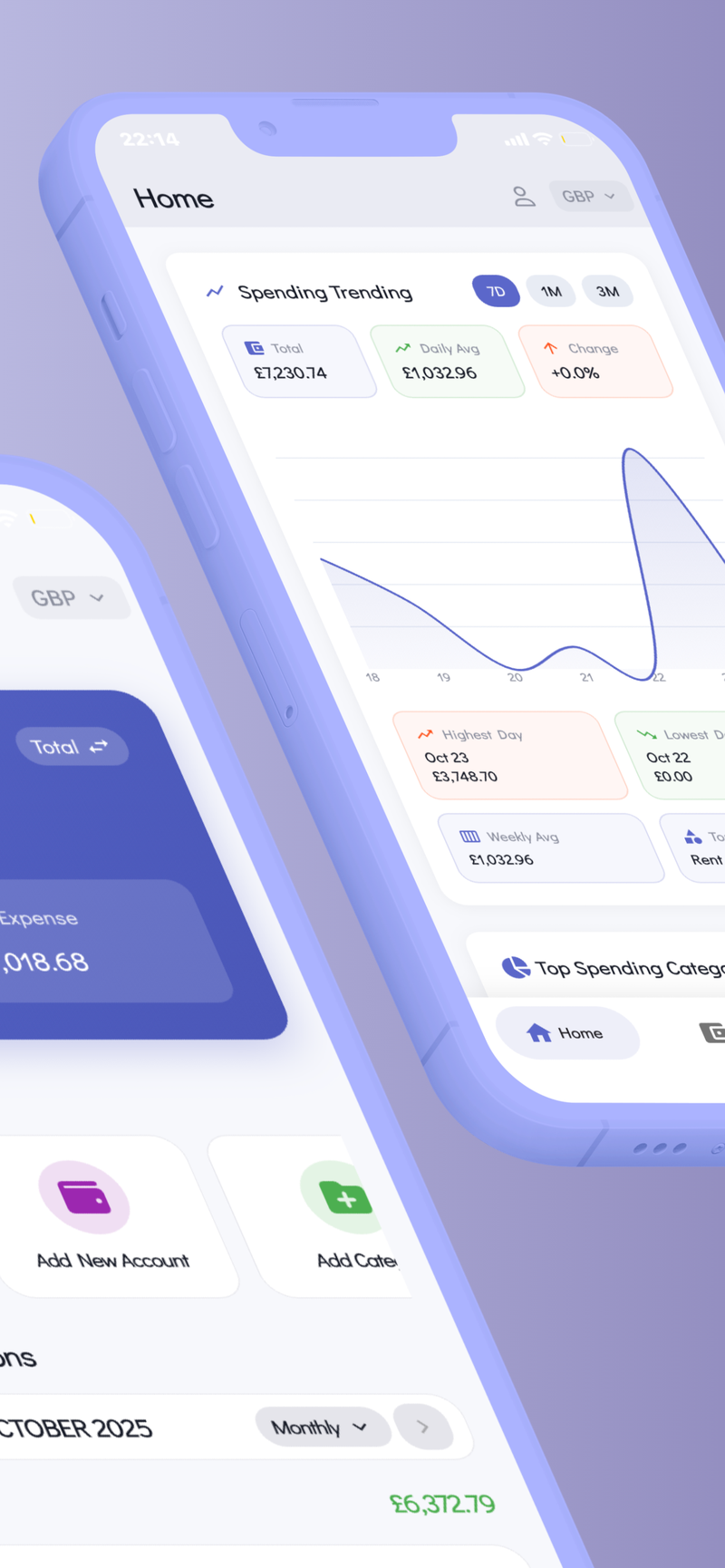
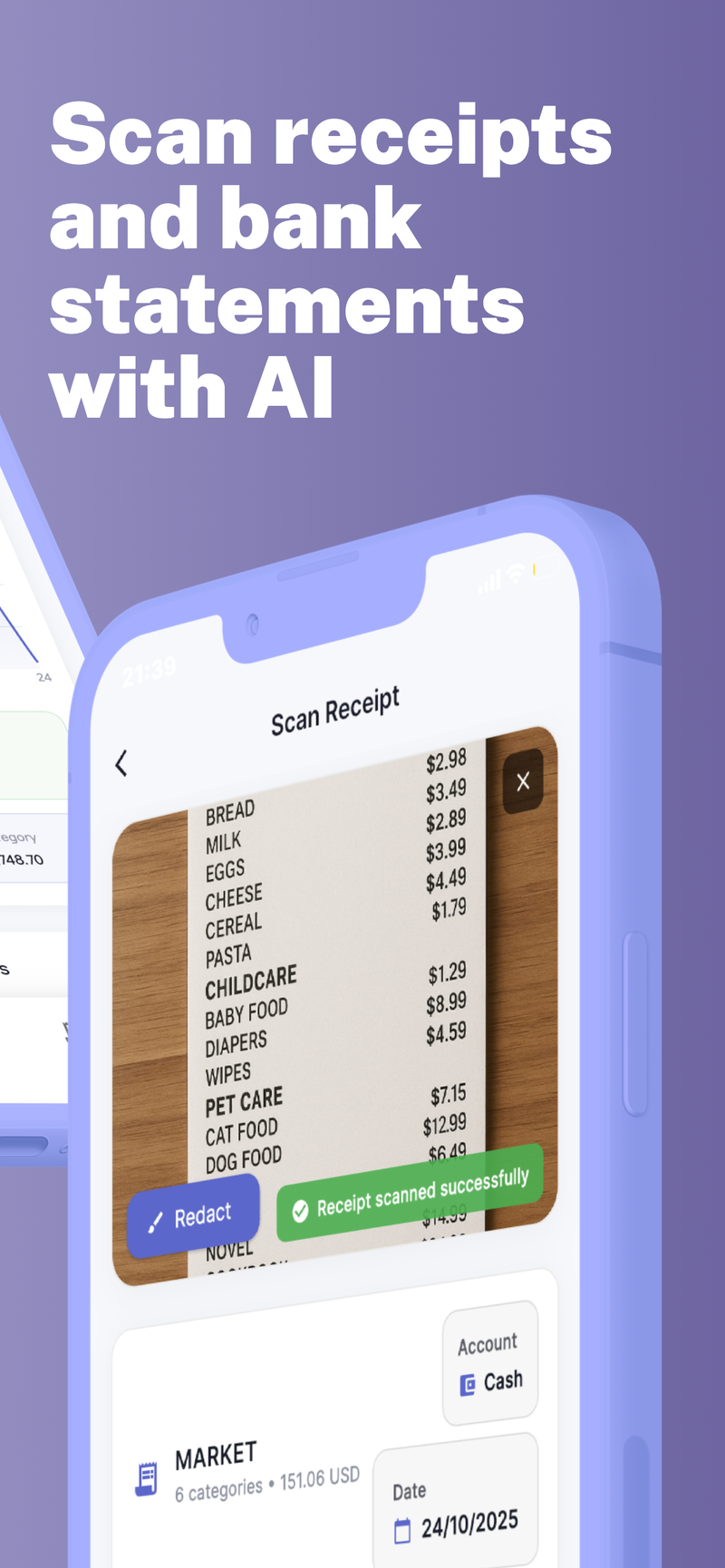
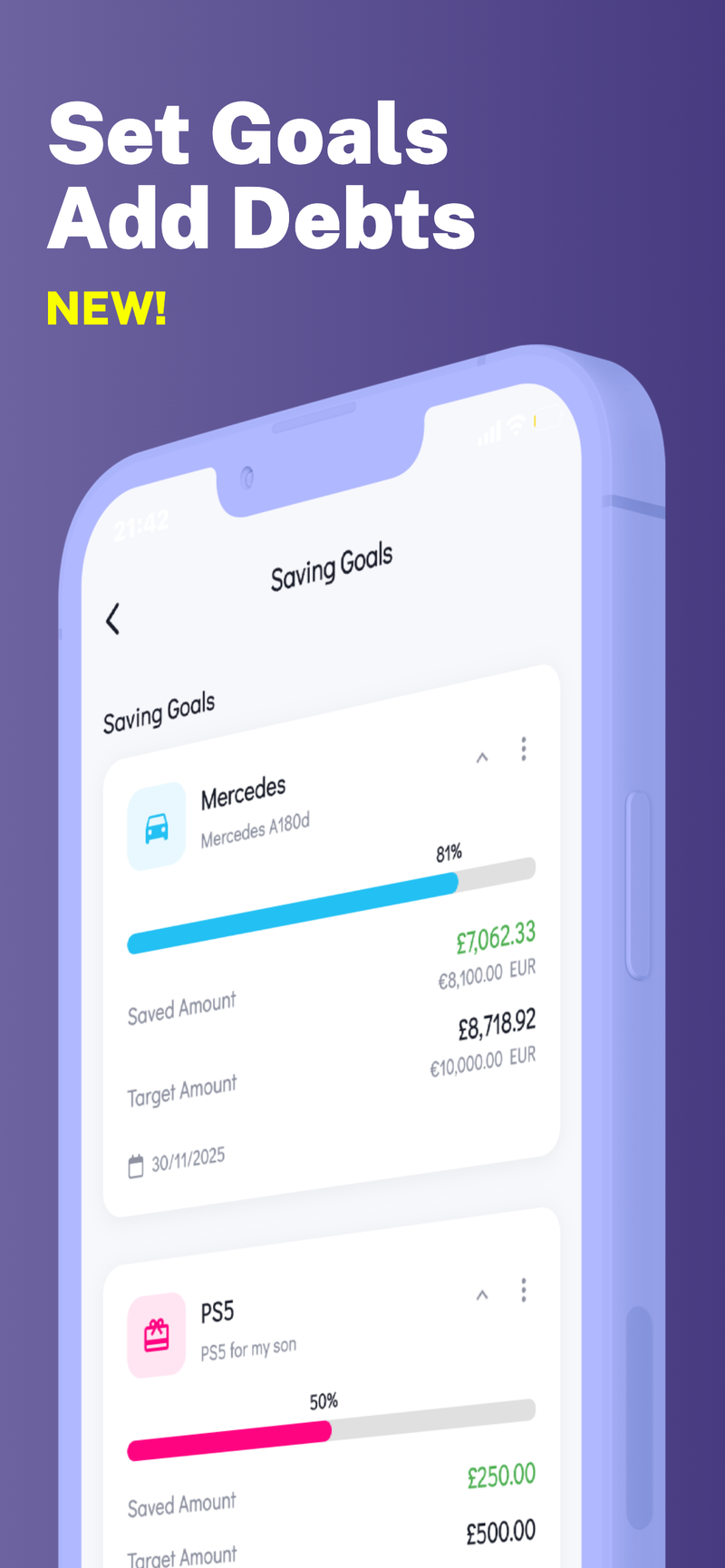
If you’re looking for a private, simple way to manage multiple family budgets and keep data on your device, Fokus Budget