
How to Set Realistic Family Savings Goals That Stick
Learn practical steps to set realistic family savings goals, break them into monthly targets, and build a simple system that actually sticks. Includes tips for tracking progress and involving the whole family.
Introduction
Ever tried to save with your family, only to see goals drift away after a busy month? You're not alone. Between sports schedules, grocery surprises, and the never-ending to-do list, it's easy for good intentions to slip. The secret to durable savings isn’t heroic willpower—it’s a simple, repeatable system that fits real life. In this guide, you'll learn practical steps to set realistic family savings goals that stick, with concrete examples you can tailor to your own budget.
Main Content
SMART goals that stick
A SMART goal is Specific, Measurable, Achievable, Relevant, and Time-bound. For a family, that might look like:
Aim for 1-3 goals at a time. Too many goals can split attention and drain motivation. Write them down, attach a deadline, and keep the language clear and kid-friendly so everyone understands what they’re aiming for.
Understand your cash flow
Before you can save, you have to know what you’re working with. Do a quick cash-flow snapshot for the past 2–3 months:
Tip: a 3-month view is enough to spot patterns. If you find you’re regularly overspending on meals out, challenge yourself to a 4-week no-eating-out streak or a meal-prep routine.
A practical rule: even modest changes compound. Saving an extra $3 per day is about $90 per month, or roughly $1,080 per year. $5 per day translates to about $150 per month, nearly $1,800 per year. Small habits matter.
Break goals into monthly targets
Turn each goal into a concrete monthly saving target. Use the formula: monthly_target = goal_amount / months_to_goal.
Example: You want $6,000 for an emergency fund in 18 months. That’s $333 per month. If your family takes home $5,000 monthly, that’s a 6.7% slice of income. You’ll still have room for essentials and a few treats.
If you’re saving for a vacation, a shorter horizon means a bigger monthly bite. A 9-month goal of $1,000 requires about $112 per month.
Prioritize and time-bound
Rank goals by urgency and impact:
1) Emergency fund (aim for 3–6 months of essential expenses).
2) Debt payoff or upcoming big purchases (if high-interest debt exists, consider prioritizing it).
3) Short-term goals like vacations or new gear.
Set deadlines that are ambitious but realistic. Build in a 1–2 month cushion for holidays or school breaks to avoid derailing progress.
Build a simple system that sticks
Create a lightweight infrastructure your family will actually use:
A simple weekly ritual helps: 10 minutes every week to check progress, adjust targets if needed, and celebrate small wins.
Track progress and celebrate wins
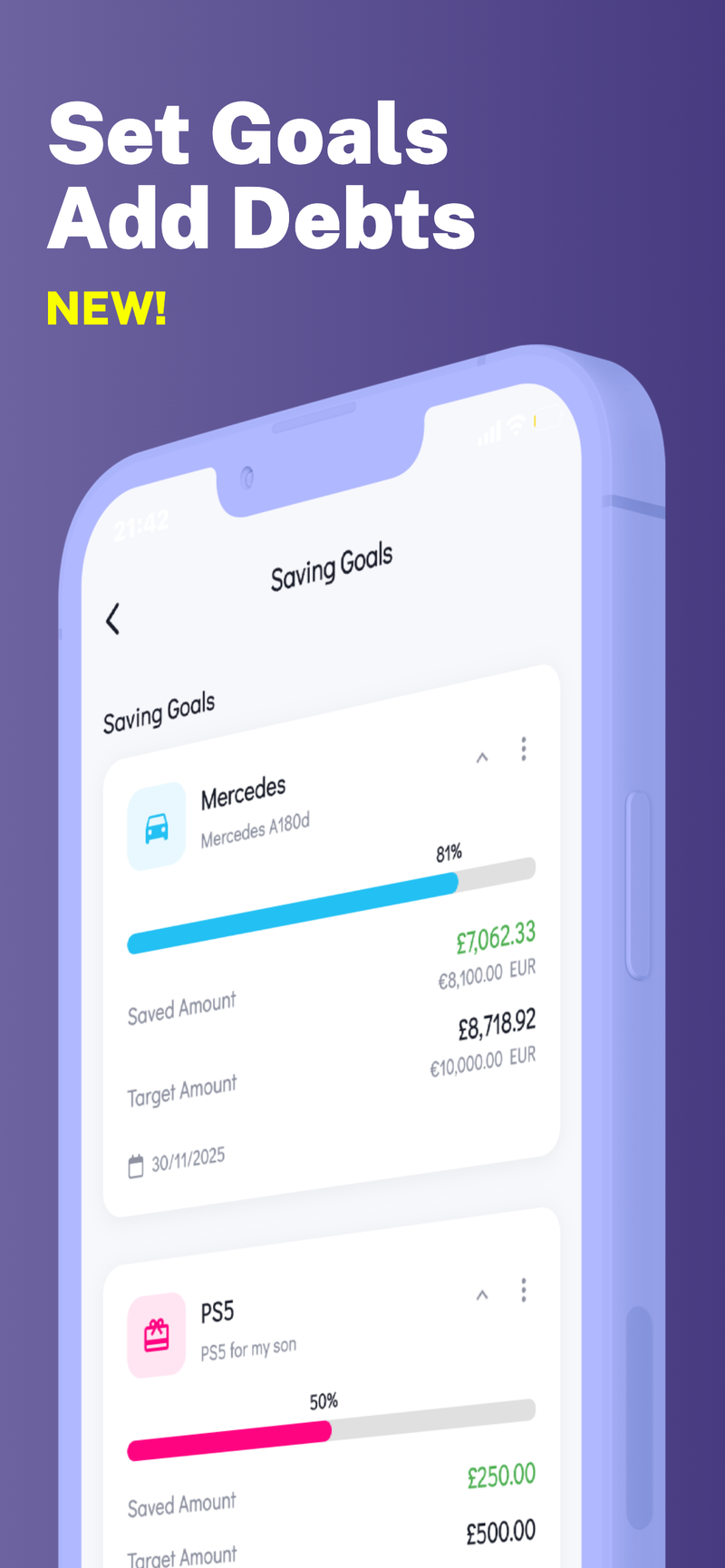
Visibility drives motivation. Use a progress bar, a chart, or a shared checklist. Each milestone hit—whether you reach 50% of an emergency fund or hit your monthly vacation target—deserves a little celebration. The key is to make progress tangible and timely.
Prepare for bumps
Life isn’t perfectly predictable. If income drops or expenses spike, keep your goals but adjust the plan:
Practical tips to automate and protect your savings
Involve kids and make it a family project
Turn saving into a shared project:
Conclusion
With a clear plan, small but consistent actions, and regular check-ins, your family can convert intentions into durable savings habits. Start with one or two SMART goals, map them to monthly targets, and build a lightweight tracking system that fits your routine. The result is not just a number on a chart—it’s financial confidence you can carry into daily life.
If you want a simple way to coordinate family goals across multiple members, Fokus Budget offers Multi-Profile Support to keep everyone aligned and on the same page.




✨ Multi-Profile Support