Fokus Budget

Fokus Budget

AI-powered expense tracking

·Budgeting

How to Stop Small Hidden Expenses That Break Your Budget

Small, recurring costs can quietly derail budgets. Learn to spot the culprits—from subscriptions to daily habits—and apply practical steps to reclaim control over your spending. A few targeted changes can add up to meaningful savings.

personal financebudgetingexpense-trackingfrugalityfamily-finance

Introduction


Have you ever opened your bank app and felt surprised by a charge you don’t recognize as a big expense? The real culprit is often a tangle of small, recurring costs that quietly erode your budget. When you add up a daily coffee, a streaming subscription, and a few energy-draining habits, the total can surprise you. Financial experts note that small, repeatable expenses can account for a significant slice of monthly spending, often in the 10–20% range. The good news: with a few focused tactics, you can stop the leaks and keep your budget intact.

Spot the culprits: where hidden expenses hide


Hidden expenses aren’t always dramatic. They hide in plain sight, piling up over time. Here are the common culprits to audit first:
  • Subscriptions you forgot about: streaming services, software trials that auto-renew, gym memberships you rarely use.

  • Small daily purchases: coffee to-go, snacks, vending machines, impulse online orders.

  • Fees and charges: maintenance fees, ATM and card fees, late payment penalties.

  • Energy vampires: devices left in standby, chargers plugged in, and inefficient home habits.

  • Impulse online shopping: saved carts, wish lists, and notifications that trigger quick buys.

  • Rewards and loyalty temptations: points earned that tempt you to spend more to redeem them.
  • Quick test: for one week, jot down every small expense under a simple category like “coffee,” “snack,” “fee,” or “subscription.” You’ll start seeing patterns much sooner than you expect.

    Practical strategies that work


    Turn awareness into action with these concrete steps. They’re practical, repeatable, and don’t require radical changes.

    1) Do a 30-day tracking sprint


  • Create a single, simple tracker (paper or digital).

  • Record every purchase, no matter how small.

  • At week end, categorize into essential vs discretionary and note the sum that falls into discretionary.

  • Look for a pattern: which category bleeds the most money, and why?

  • Set a concrete target for the next 30 days (e.g., cut discretionary items by 20%).
  • 2) Audit recurring charges and subscriptions


  • List all recurring payments for the last 90 days.

  • Cancel services you don’t use or need. If you’re unsure, pause for 30 days instead of canceling outright.

  • Move to annual plans only if you’re sure you’ll use them (and take advantage of savings).

  • Set a calendar reminder to review every 30 days.
  • 3) Apply the 24-hour rule to impulse buys


  • When you’re tempted online or in-store, delay the purchase for a full day.

  • If you still want it after 24 hours, evaluate its value and whether it fits your budget.

  • This one habit alone can dramatically reduce regret purchases.
  • 4) Use a simple envelope approach for discretionary spending


  • Allocate cash or a digital envelope for categories like dining out, entertainment, and small luxuries.

  • Once the envelope is empty, stop spending in that category for the month.

  • This creates a tangible limit and reduces mindless spending.
  • 5) Swap pennies for real savings


  • Identify cheap swaps: brew coffee at home, pack lunches, buy generic brands, compare prices before buying.

  • Small substitutions add up: a daily coffee replacement can save hundreds per month depending on your routine.
  • 6) Reduce energy leaks in the home


  • Unplug chargers and devices not in use; enable power-saving modes.

  • Use smart power strips for frequent culprits (TVs, gaming consoles, computer gear).

  • Tackle one energy-hogging habit at a time (e.g., shorter showers, lower thermostat when not at home).
  • 7) Build a tiny monthly buffer for unexpected leaks


  • Allocate a small fund (e.g., 40–60) for incidental costs that would otherwise breach your budget.

  • Replenish it when you hit milestones in your overall savings goals.
  • A quick case study


    A family of four tried a 60-day experiment: they canceled two rarely used streaming services, swapped daily takeout coffee for home brewing, and switched to generic groceries. By the end of the two months, they saved roughly $180 per month. They redirected that money toward debt payoff and an emergency fund, and they discovered real momentum by seeing the impact in their bank balance.

    Build a system that lasts


    To keep the gains, you need a simple system you’ll actually maintain:
  • Schedule a monthly budget review on the same day each month. Keep it short (15–20 minutes) and focused.

  • Tie your spending to clear goals (debt payoff, vacation fund, college savings). Clear goals make it easier to say no.

  • Involve the household: set shared rules for subscriptions and discretionary spending; ensure everyone knows the plan.

  • Automate reminders and checks. A recurring note to review subscriptions can prevent sneaky renewals.

  • Track progress with a single, unified view so you can celebrate wins and course-correct when needed.
  • Conclusion


    Hidden expenses don’t vanish on their own; they creep into budgets when we stop watching them. By identifying the common culprits, applying practical tactics, and building a simple, repeatable system, you can reclaim control over your money. Start with a 30-day tracking sprint, tackle recurring charges, and implement a small envelope for discretionary spending. Small changes compound into real financial resilience over time.

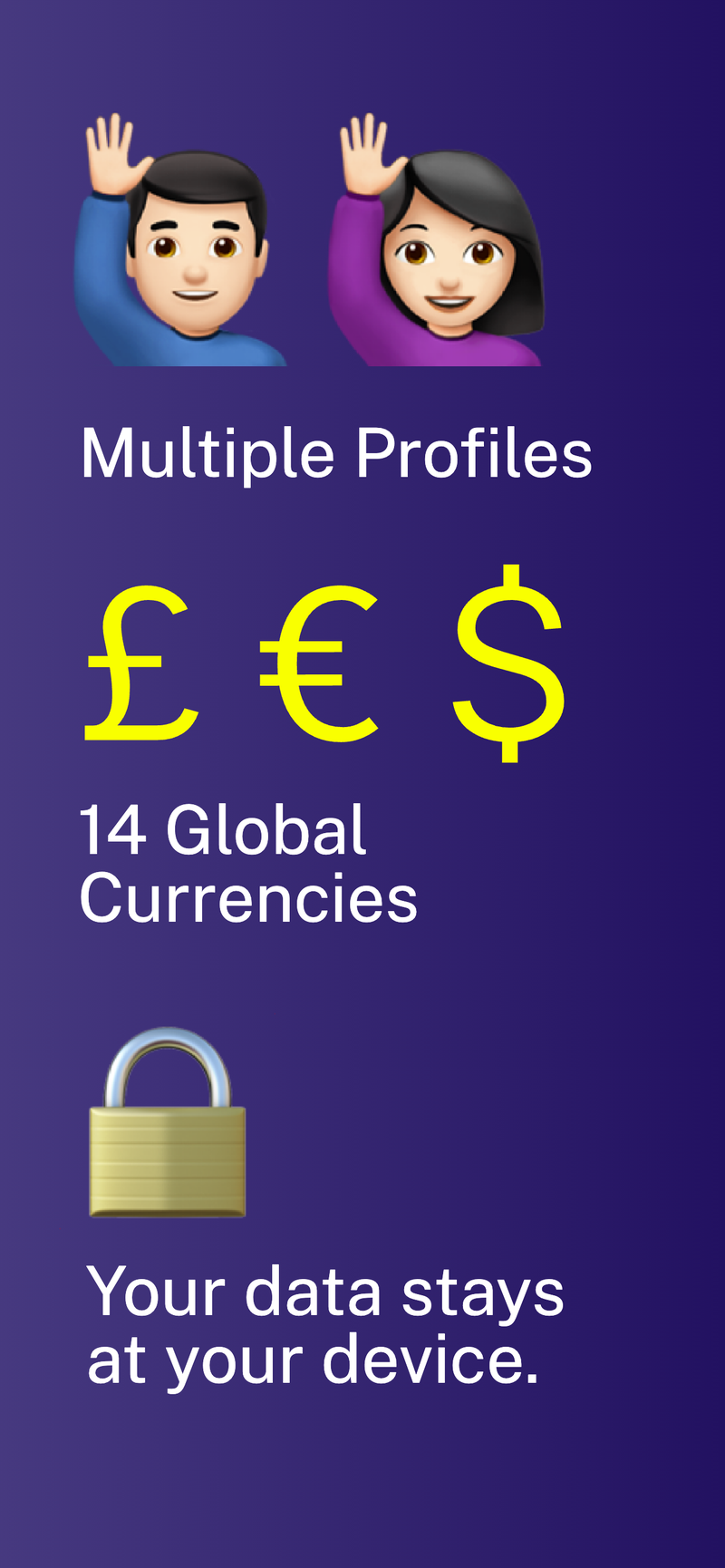
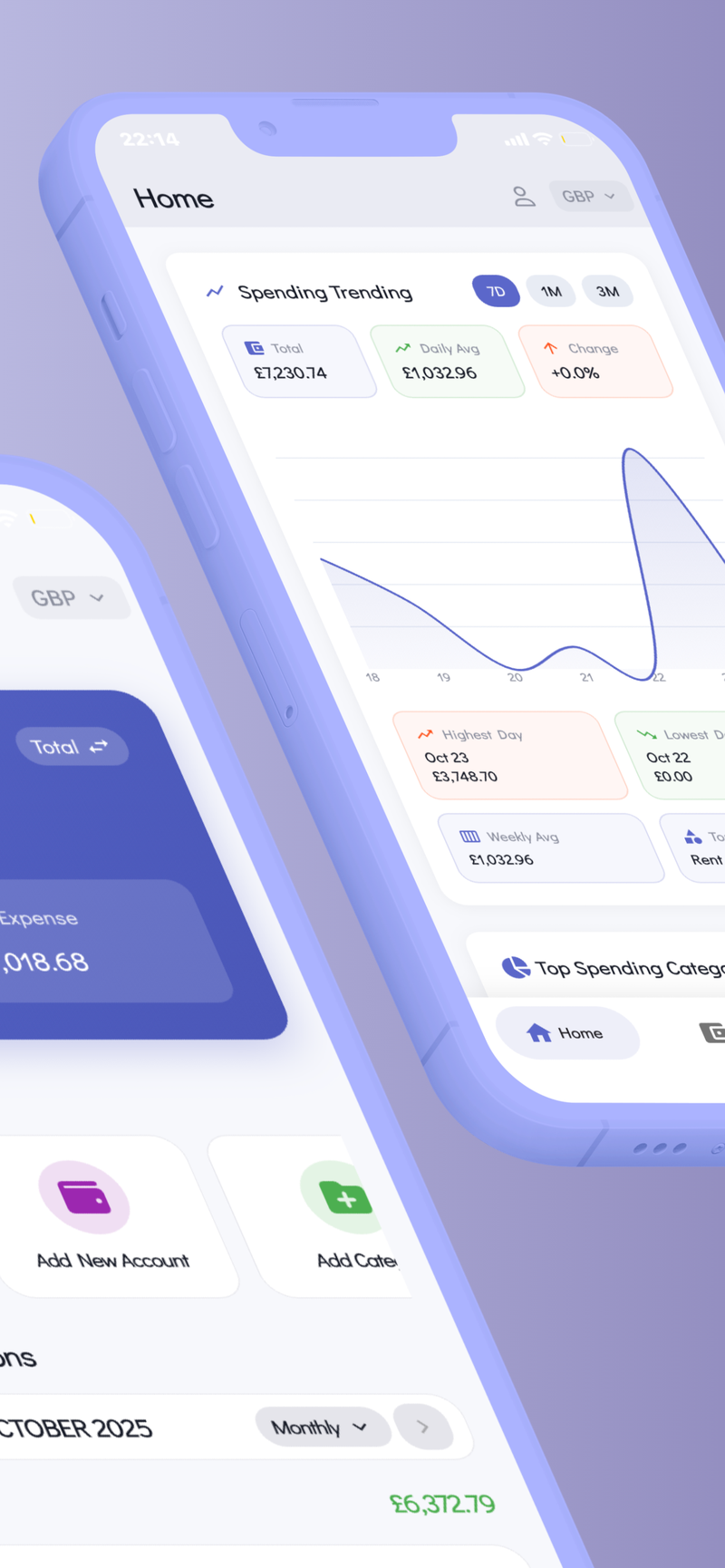
    If you’re looking to apply these habits across multiple budgets—personal, family, or household—a tool that supports Multi-Profile Access can help you keep everything organized and private. Fokus Budget offers this capability, making it easier to manage several budgets without mixing sensitive data. Consider whether a multi-profile setup could help your household stay aligned on goals and spending.
    Fokus Budget icon

    Fokus Budget

    AI-powered expense tracking

    Free • In-App Purchases
    GET
    Dashboard
    Analytics
    Transactions
    Categories
    Reports
    AI Receipt ScanningMulti-CurrencyBank ImportPrivacy-First

    Multi-Profile Support

    Related Articles

    Fokus Budget

    AI-powered expense tracking