Fokus Budget

Fokus Budget

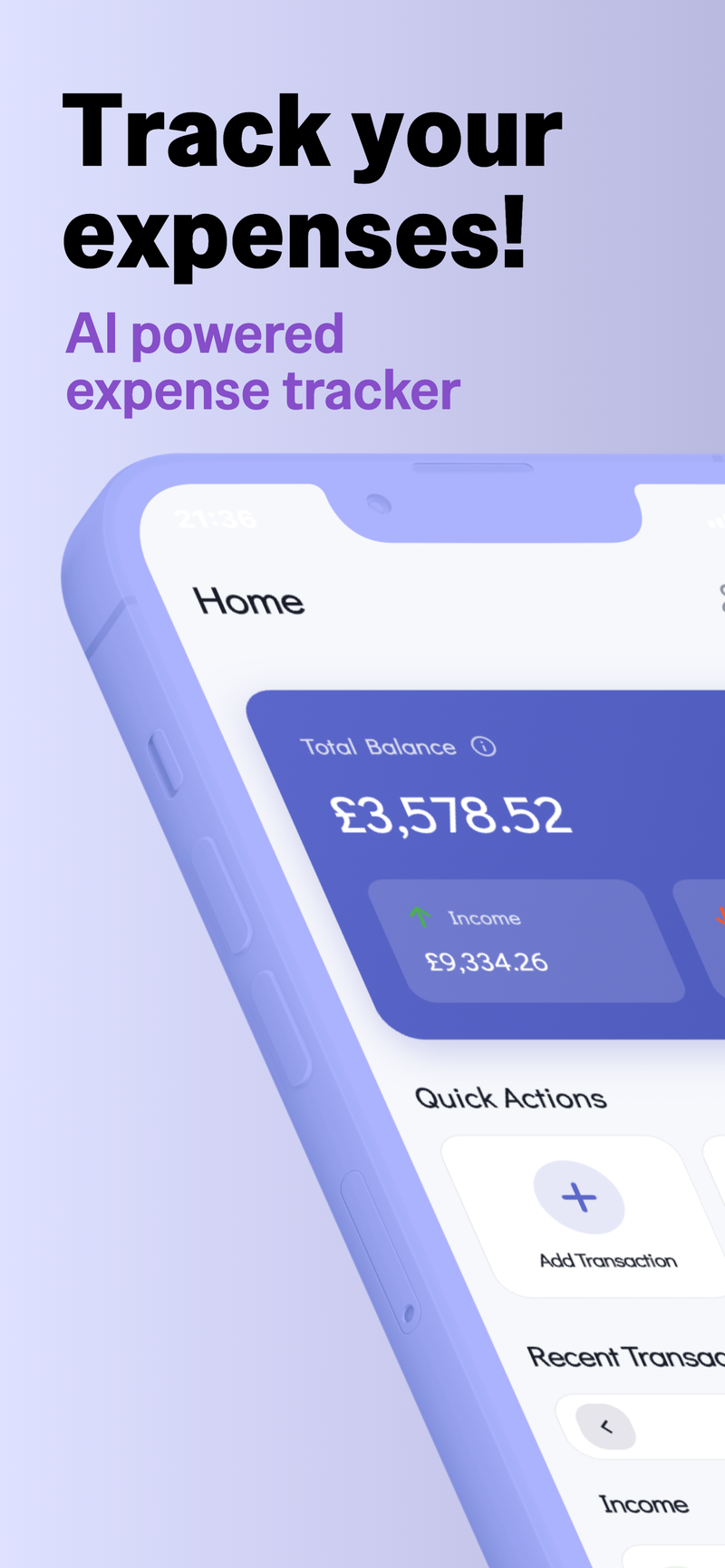
AI-powered expense tracking

·Budgeting

How to Stop Weekend Impulse Buys From Ruining Your Budget

Weekend impulse buys can derail budgets, but with planning, friction, and accountability, you can enjoy weekends without overspending. Learn practical steps to curb impulse purchases and protect your financial goals.

personal-financebudgetingspending-habitsweekendshabits

Introduction


Do you ever finish a weekend and discover your wallet took a bigger beating than planned? Weekend browsing, casual shopping with friends, or a few quick online clicks can turn into impulse buys that derail your budget. If Sunday night meetings with your bank app leave you feeling frustrated, you’re not alone. The good news: with a few practical changes, you can enjoy your weekends without letting impulse purchases steal your financial progress.

Weekend impulse buys thrive on psychology: more time to browse, fewer constraints, and a mood that makes small purchases feel like harmless treats. The result is a pattern that adds up: small, frequent buys can quietly push your monthly totals higher than you intended. Understanding why helps you design a plan that keeps your spending on track while still leaving room for enjoyable weekend moments.

Why weekends trigger impulse buys


  • More unstructured time leads to more browsing and open tabs, catalogs, and social feeds.

  • Mood and social cues (friends, events, sales) can push you toward quicker, easier purchases.

  • Decision fatigue is real; after a week of decisions, even small buys feel harmless in the moment.

  • Cumulative effect: small weekend purchases can compound into a sizable monthly gap between goal and reality. For example, two impulsive weekend buys of $15 each can add up to about $780 a year.
  • Practical strategies to curb weekend impulses


    Here are concrete steps you can implement this weekend and every weekend.

    1) Set a clear weekend spending cap


  • Decide a fixed amount you’re comfortable spending on non-essentials over Saturday and Sunday.

  • Treat it as a separate “fun fund.” Once it’s gone, pause weekend shopping unless it’s an essential or pre-approved item.

  • Quick start: set a cap of $20–$50 for most weekends and adjust upward only when your savings or debt payoff progress allows.
  • 2) Create friction before you buy


  • Implement a 24-hour rule for non-essential items under a certain price; if you still want it after a day, re-evaluate.

  • For bigger purchases, extend to 72 hours and require a written justification for why it’s worth it.

  • Use a physical or digital shopping list and compare it to what you’re tempted to buy.
  • 3) Change your environment


  • Unsubscribe from retailer emails and disable one-click checkout to slow down the impulse.

  • Remove saved payment methods from browsers and apps; keep only cash or a dedicated weekend fund card.

  • Delay with a “cooling-off” screen: before adding to cart, open a new tab and leave the item there for 24 hours.
  • 4) Use cash or a separate fund


  • Withdraw a fixed amount for weekend non-essentials and use only that cash or a dedicated card.

  • Once the cash is gone, you’re done for the weekend. This physical limit makes it harder to overspend.
  • 5) Track triggers with a simple impulse log


  • Keep a small notebook or note on your phone: what you bought, how you felt, what sparked the impulse.

  • Review at least once a week to identify patterns ( boredom after meals, post-work boredom, or social events).

  • Use the data to plan alternatives for those triggers (a walk, a call with a friend, or a free activity).
  • 6) Build accountability and support


  • Share your weekend budget goal with a friend or partner and schedule a quick check-in on Sundays.

  • If you have a spending buddy, agree on a signal when one of you is veering off track.

  • Celebrate small wins publicly or within your household to reinforce the habit.
  • 7) Automate good money habits


  • Set up automatic transfers that fund your savings or debt payoff before discretionary spending.

  • Use micro-saving tactics like round-ups on purchases during the week to build a buffer for weekends.

  • Create a simple weekly review ritual: track weekend spending, compare to budget, adjust for next week.
  • 8) Plan for social and event-related spending


  • Before events, allocate a specific budget for gifts, meals, or activities.

  • Prepare a quick shopping list for essentials and a separate list for planned experiences (to avoid splurges on the wayside).

  • If attending events with sponsored or discounted options, plan to take advantage of those rather than impulse buys.
  • 9) Quick-start weekend plan


    1) Set a weekend cap (e.g., $40–$60) and choose the fund source.
    2) Build a simple impulse log; note triggers.
    3) Apply the 24-hour rule for non-essentials.
    4) Remove friction (no auto-fill, no saved cards).
    5) Do a Sunday review of all weekend spending.
    6) Adjust next weekend’s cap based on progress.

    Realistic expectations and small wins


  • Even a modest reduction in weekend spending compounds over time. If you cut $20 per weekend, that’s about $1,040 a year saved for other goals.

  • The goal isn’t perfection; it’s consistency. Small daily improvements can build momentum and reduce stress around money.

  • Track progress, not guilt. When you slip, analyze what happened, adjust, and move forward.
  • Conclusion


    Weekend impulse buys are a common hurdle, but they’re one you can overcome with structure, friction, and accountability. By planning ahead, creating safe limits, and reflecting on triggers, you protect your budget without stripping weekend enjoyment from your life. If you’re looking for a tool to help you implement these habits consistently across multiple areas of your finances, Fokus Budget can help with this. Fokus AI – Your Personal Finance Manager, designed to keep your money on track while your data stays securely on your device. A feature like Multi-Profile Support can be especially helpful for managing personal, family, or business finances separately, making it easier to keep weekend spending in check while you maintain clarity across all your financial priorities.
    Fokus Budget icon

    Fokus Budget

    AI-powered expense tracking

    Free • In-App Purchases
    GET
    Dashboard
    Analytics
    Transactions
    Categories
    Reports
    AI Receipt ScanningMulti-CurrencyBank ImportPrivacy-First

    Multi-Profile Support

    Related Articles

    Fokus Budget

    AI-powered expense tracking