Introduction
Quitting nicotine is a brave decision, but withdrawal can feel like a daily roller coaster. Cravings surge, sleep is disrupted, and moods swing when you least expect it. If you’re aiming to quit smoking or vaping, you’re not alone—and you don’t have to ride it out blindly. Knowing what to expect and having a practical plan can make the process more manageable. In fact, nicotine withdrawal symptoms typically peak in the first 24-48 hours and can linger for several weeks; with the right tactics, you can reduce the intensity and duration of those symptoms.
Here are seven proven strategies to weather withdrawal, supported by simple, actionable steps you can start today.
7 Proven Tactics to Weather Nicotine Withdrawal
Tactic 1: Anticipate and plan
Set a clear quit or reduce date and write down your triggers (coffee breaks, after meals, social events).Create a replacement routine you can rely on when cravings hit (tea time, a short walk, a quick stretch).Stock up on healthy snacks, water, and alternatives that keep your hands busy.Decide in advance how you’ll handle high-risk situations (parties, bars, or long drives).Keep a short cravings journal: what happened, what you did, and how you felt afterward.Tactic 2: Build a craving-crusher toolkit
Use a deliberate delay: when a craving hits, wait 5 minutes before deciding. Often the urge passes or lessens in that time.Distraction works: a 10-minute brisk walk, a quick puzzle, or a phone call can break the loop.Hydrate and cool down: sip cold water, chew sugar-free gum, or suck on a mint.Replace the ritual: swap the cigarette or vape ritual with a new habit (playing with a stress ball, knitting, or doodling).Use physical grounding: hold an ice cube or snap a rubber band on your wrist to redirect attention.Tactic 3: Move your body regularly
Aim for 20-30 minutes of moderate activity most days; even short bursts count (a brisk 10-minute walk beats sitting still).Pick activities you enjoy—dancing, cycling, gardening, or a quick bodyweight circuit.Exercise can improve mood and reduce withdrawal symptoms by releasing endorphins and stabilizing sleep.Tactic 4: Sleep and rest matters
Establish a consistent sleep schedule; go to bed and wake up at roughly the same times daily.Create a wind-down routine: dim lights, limit screens 1 hour before bed, and keep caffeine in check after mid-afternoon.If sleep still feels unsettled, short naps (20-30 minutes) can help without derailing nightly rest.Tactic 5: Ritual substitution
Identify daily rituals you associate with nicotine (coffee breaks, after meals) and replace them with healthier rituals (herbal tea, a short walk, breathing exercises).Build a “smoke-free kit”: a fidget toy, a soothing lotion, a favorite tea, and a small journal.Create mindful pauses: before reaching for a cigarette or vape, pause and name the feeling you’re experiencing (craving, stress, boredom) before choosing your substitute.Tactic 6: Stress and mood management
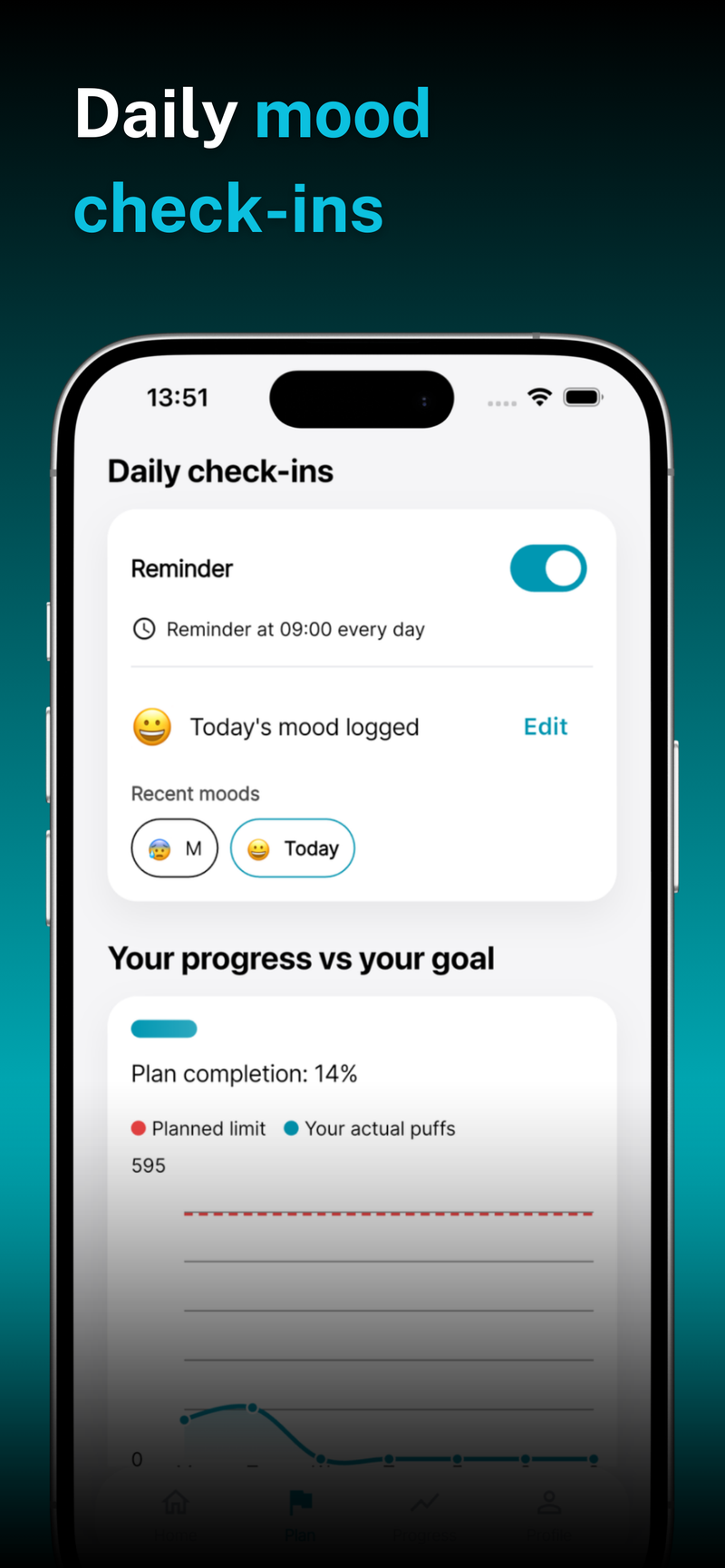
Practice brief mindfulness or box breathing (inhale 4, hold 4, exhale 4, hold 4) for 2-3 minutes when stress spikes.Journal to identify triggers and track progress; review weekly to notice patterns and improvements.Engage in gentle stretching or progressive muscle relaxation to reduce physical tension linked to cravings.Tactic 7: Build support and accountability
Tell a trusted friend or family member about your quit plan; check in regularly.Consider a support group or buddy system to share tips and celebrate small wins.Track progress publicly or privately: days without nicotine, money saved, or improvements in sleep and mood.Practical tips to implement today
Start small: even a 5-minute daily walk can set a positive tone.Time cravings with your day: anticipate the first high-risk window (often after meals or with caffeine).Don’t aim for perfection; aim for consistency. If you slip, analyze what happened and reset—cravings don’t define your progress.Realistic expectations
Withdrawal symptoms vary by person and by how long you’ve used nicotine. Some people experience irritability, anxiety, or difficulty concentrating; others feel restlessness or fatigue. The good news: these symptoms typically lessen over time as your nervous system rebalances. Supportive routines, a steady plan, and patience are powerful allies.