Introduction
Have you ever tightened your belt only to realize the savings never quite show up in your bank balance? The culprit is often hidden expenses: small recurring charges, energy leaks, and spending habits that creep in without notice. The good news is you can uncover them and reclaim a meaningful chunk of your budget with a simple audit and a few smart tweaks.
Hidden costs aren’t about extreme sacrifices; they’re about awareness and deliberate choices. In fact, estimates suggest households waste 5-10% of annual spending on unused subscriptions and services. Even a modest audit can uncover opportunities to save hundreds of dollars a year without touching essentials.
Spotting the leaks: a practical approach
The key is to be systematic. Treat this like a financial health check rather than a one-off cleanup.
Start with a spending audit
Gather the last 90 days of bank and card statements (digital copies make this easy).Create a simple categorization: housing, utilities, groceries, transportation, subscriptions, debt, personal care, miscellany.Sum each category and look for two things: fixed costs that aren’t essential, and variable costs that recur monthly in small amounts.Highlight the biggest variances and ask: can I reduce or remove these without sacrificing necessary needs?Review recurring charges and subscriptions
List every recurring charge you see (monthly or yearly). Include streaming services, software, gym memberships, and clubs.Check renewal dates and usage. Are you still using the service, or did you forget you signed up?Cancel, downgrade, or switch to a cheaper plan. Set reminders to review subscriptions every 6–12 months.Tip: aim to trim 1–3 recurring charges in the next quarter; even $10–$20 per month adds up.Revisit utilities and housing costs
Compare energy plans or providers if you’re in a market with choices. Small rate differences can save hundreds yearly.Implement energy-saving habits: programmable thermostats, LED lighting, weather stripping, and efficient appliances.Check homeowner's or renter's insurance for discounts or bundle options. Consider raising deductibles if you have a healthy emergency fund.If you rent, consider negotiating rent or exploring friendlier options in your area; even a modest reduction helps.Transportation, groceries, and healthcare
Transportation: track fuel efficiency, maintenance, and insurance. A car with better mileage or a cheaper insurance tier can save more than you expect over a year.Groceries: compare unit prices, plan meals, and shop with a list to avoid impulse buys. Batch cooking and freezing excess can cut waste and costs.Healthcare: review your health plan, check whether you’re taking advantage of preventive care, and opt for generic medications when appropriate.Debt and insurance
Review loan interest rates and credit card terms. If possible, consider refinancing or a balance transfer with a lower APR.Insurance: periodically shop around; bundling auto, home, and life insurance can yield discounts. Review deductibles to balance premium costs with your risk tolerance.Quick wins that add up
Cancel 2–3 unused or underutilized subscriptions in the next month.Use price comparison tools and loyalty programs when buying essentials.Implement a simple meal-planning routine to reduce dining out.Set a 30-day delay for non-urgent purchases to avoid impulse spending.Track small purchases to avoid “drip” spending: a daily coffee, snacks, or impulse buys can quietly drain a budget.Example: canceling one unused service and switching to a cheaper plan could save $15–$40 per month, turning into $180–$480 over a year.Practical steps to keep momentum
Create a baseline budget: try the 50/30/20 framework (needs/wants/savings) and adjust to your realities.Use a simple tracking method: a single spreadsheet or a note app with monthly totals by category.Set periodic reminders: a 15-minute weekly check-in keeps you honest and informed.Establish a small emergency fund first, then automate savings transfers to keep the habit intact.Measure progress: every month, compare actual spending to your plan and celebrate the wins, no matter how small.Conclusion: turn insight into action
Hidden expenses accumulate quietly, but with a focused audit and a few disciplined tweaks, you can reclaim meaningful money without upheaval. Start by listing your recurring charges, trimming the obvious leeches, and building a simple tracking habit. Over time, those small changes compound into real, lasting budget power.
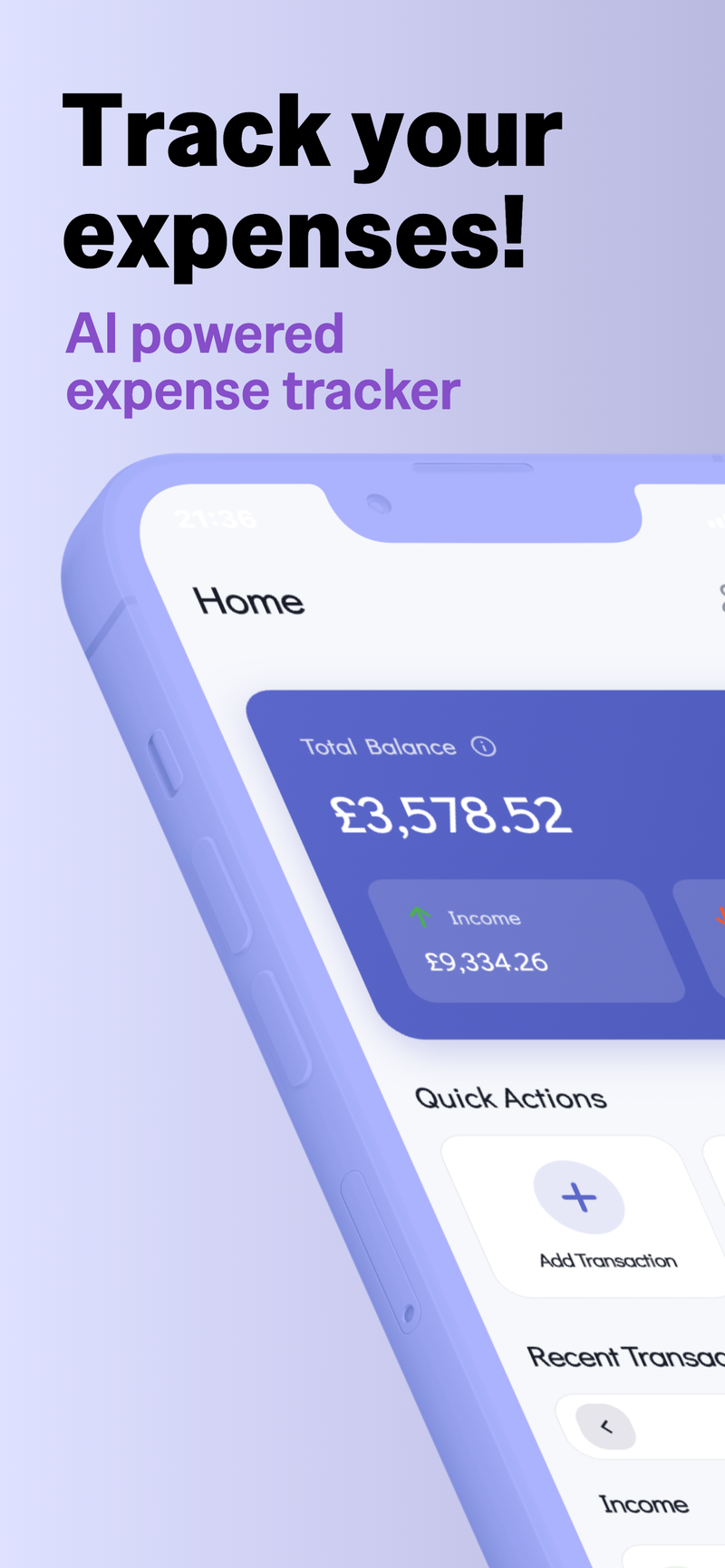
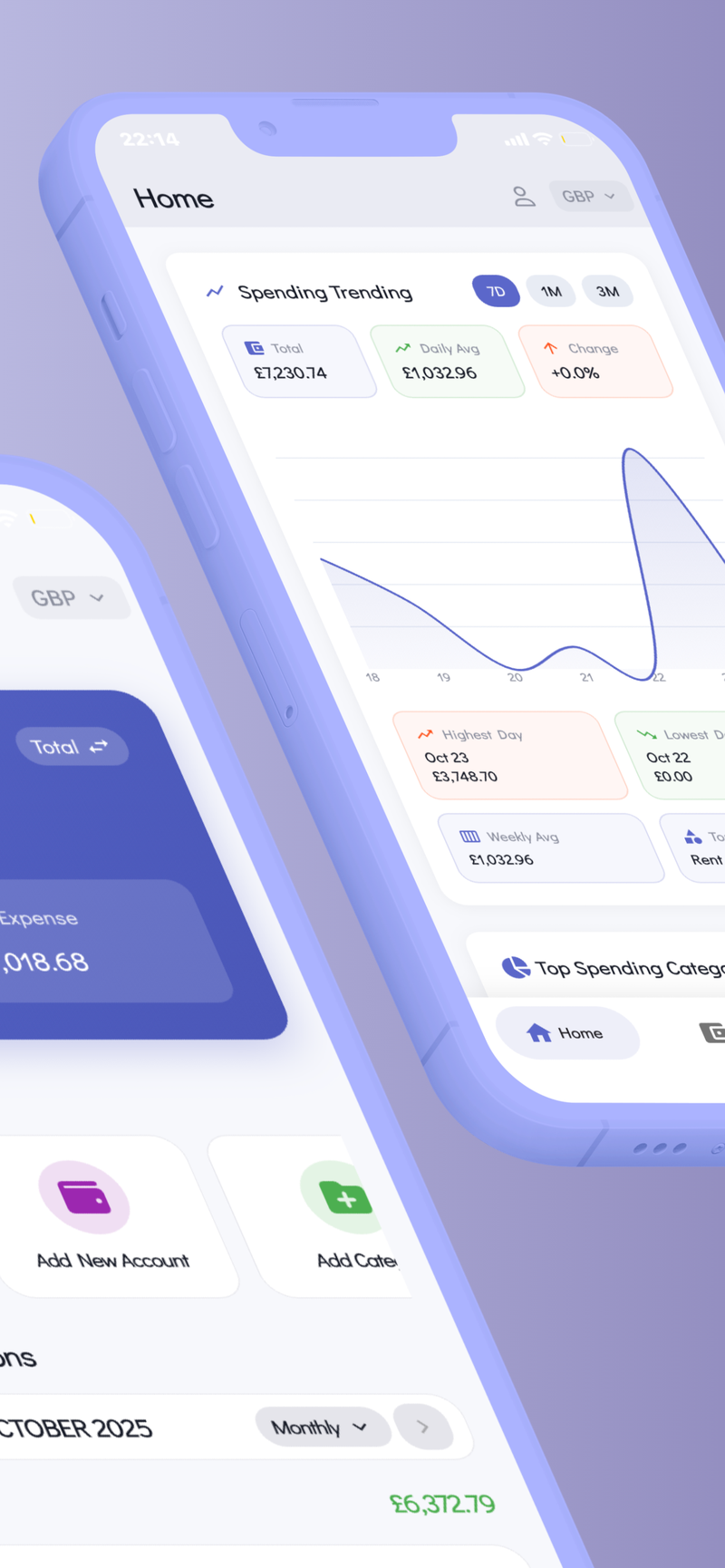
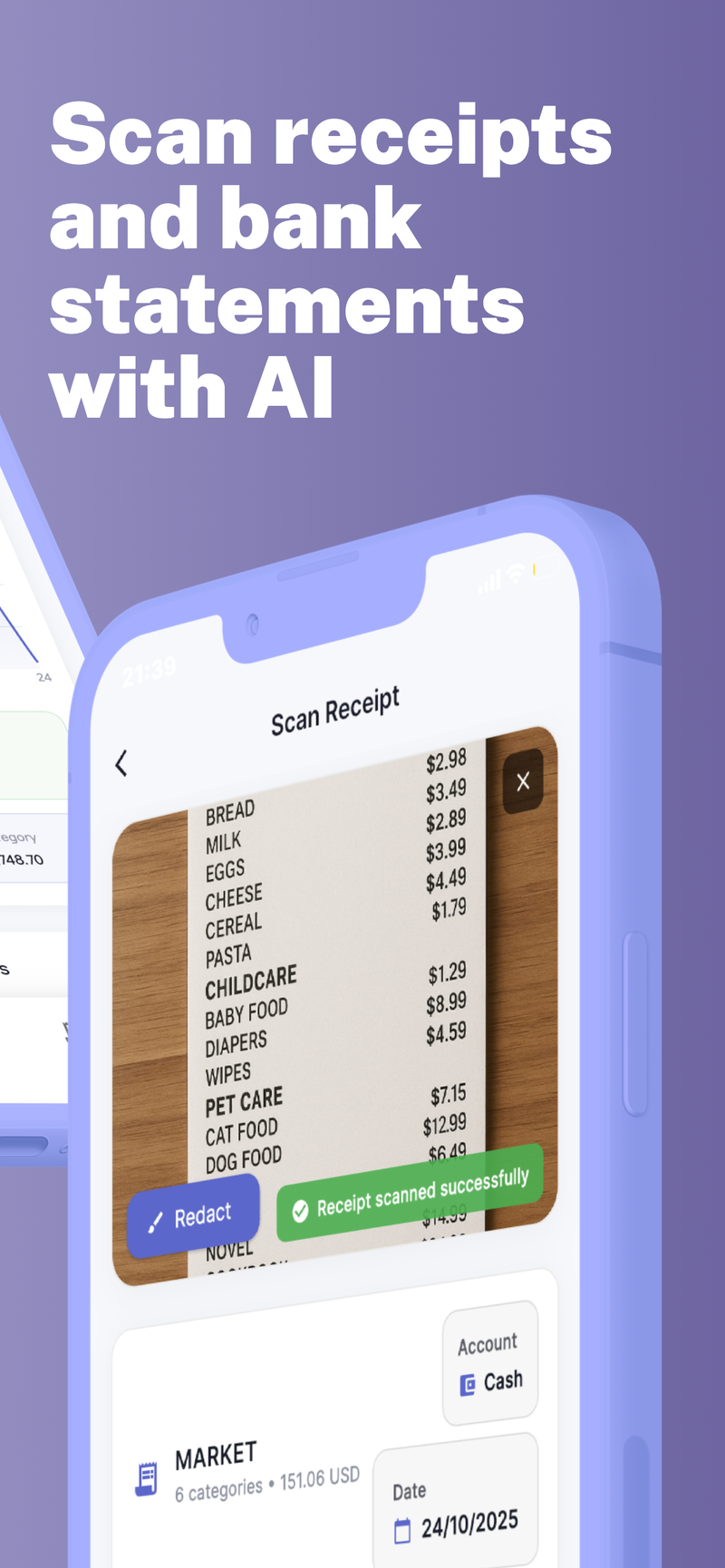
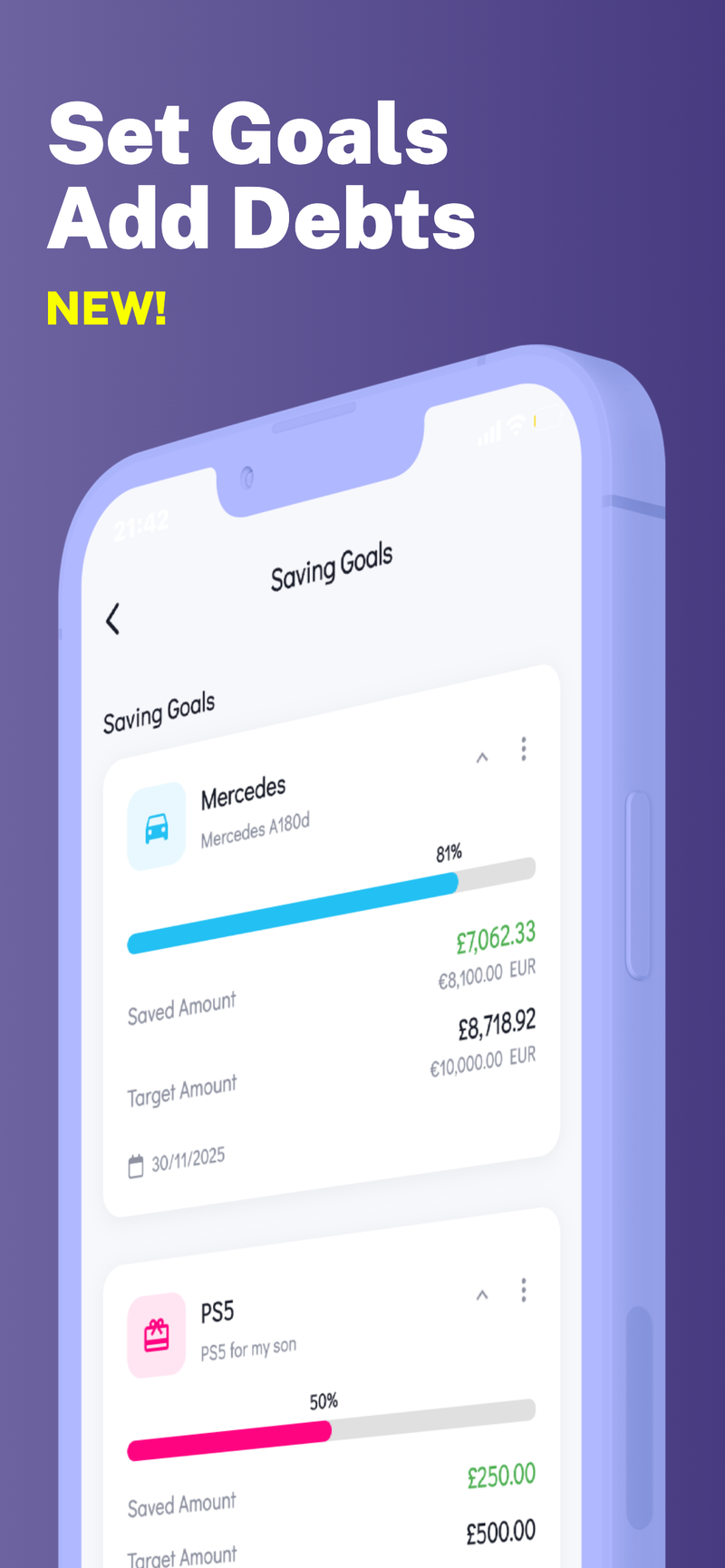
If you want a private, on-device way to keep your spending organized across family members and multiple currencies, Fokus Budget can help. It offers on-device data storage and supports multiple profiles, making it easier to manage household finances without sacrificing privacy. Consider it a helpful tool to implement the plan above and keep momentum over the long term.