
Identify Triggers and Create a Relapse-Prevention Plan
Cravings are often triggered by daily patterns, moods, and social settings. This guide helps you map your triggers, build a practical relapse-prevention plan, and stay on track with actionable strategies. A structured approach can make quitting more doable and sustainable.
Introduction
Quitting smoking or vaping often feels like a battle with your own routine. Cravings aren’t random; they’re tied to daily patterns, moods, and social settings. If you’ve ever felt a craving after a morning coffee or during a night out, you’re not alone. The real value comes from understanding your triggers and building a practical plan that helps you ride cravings out and move toward lasting change.
Understanding Triggers
Triggers are cues that spark the urge to smoke or vape. They usually fall into a few categories:
"I deserve a treat" or "I’ll be fine if I just have one."
Cravings tend to peak quickly. Craving episodes often last 5–10 minutes and then ease if you have a plan to ride them out. Knowing that helps you use a delaying tactic and switch activities until the urge passes.
Mapping Your Triggers
Tracking your triggers is the next step. A simple trigger diary over two weeks can reveal patterns you didn’t notice.
Example: You notice cravings spike after your lunch break when you’re around colleagues who smoke. You also find that stress in the late afternoon fuels urges. With this insight, you can prepare specific responses for those moments.
Building Your Relapse-Prevention Plan
Create a practical plan that fits your life. Here are clear steps you can follow:
1) List your top triggers.
2) Pre-commit to a response for each trigger. Write it down.
3) Build a coping toolbox with quick strategies you can use in under 5 minutes.
4) Delay the urge. Try a 5-minute rule: wait, breathe, and choose a different action.
5) Change your environment when possible (e.g., remove ashtrays, stock water, plan tobacco-free routes).
6) Leverage your support network. Tell a friend or family member you’re trying to quit and when you might need accountability.
7) Reward progress, even small wins, to reinforce the change.
8) Prepare for setbacks. If you slip, analyze what happened, adjust your plan, and start again without guilt.
Coping strategies by trigger
Maintaining Momentum
Consistency matters more than intensity. Try these small habits:
Relapse-Prevention Toolkit
Keep a ready-to-use set of tactics for high-risk moments:
A Realistic Example Plan (Template)
This kind of plan keeps you prepared for the moments that most often derail your progress.
Conclusion
A relapse-prevention plan is a living tool. It grows stronger as you learn what triggers you and what helps you stay on track. The goal is not perfection, but resilience: recognizing signals, deploying quick coping strategies, and adjusting as life changes.
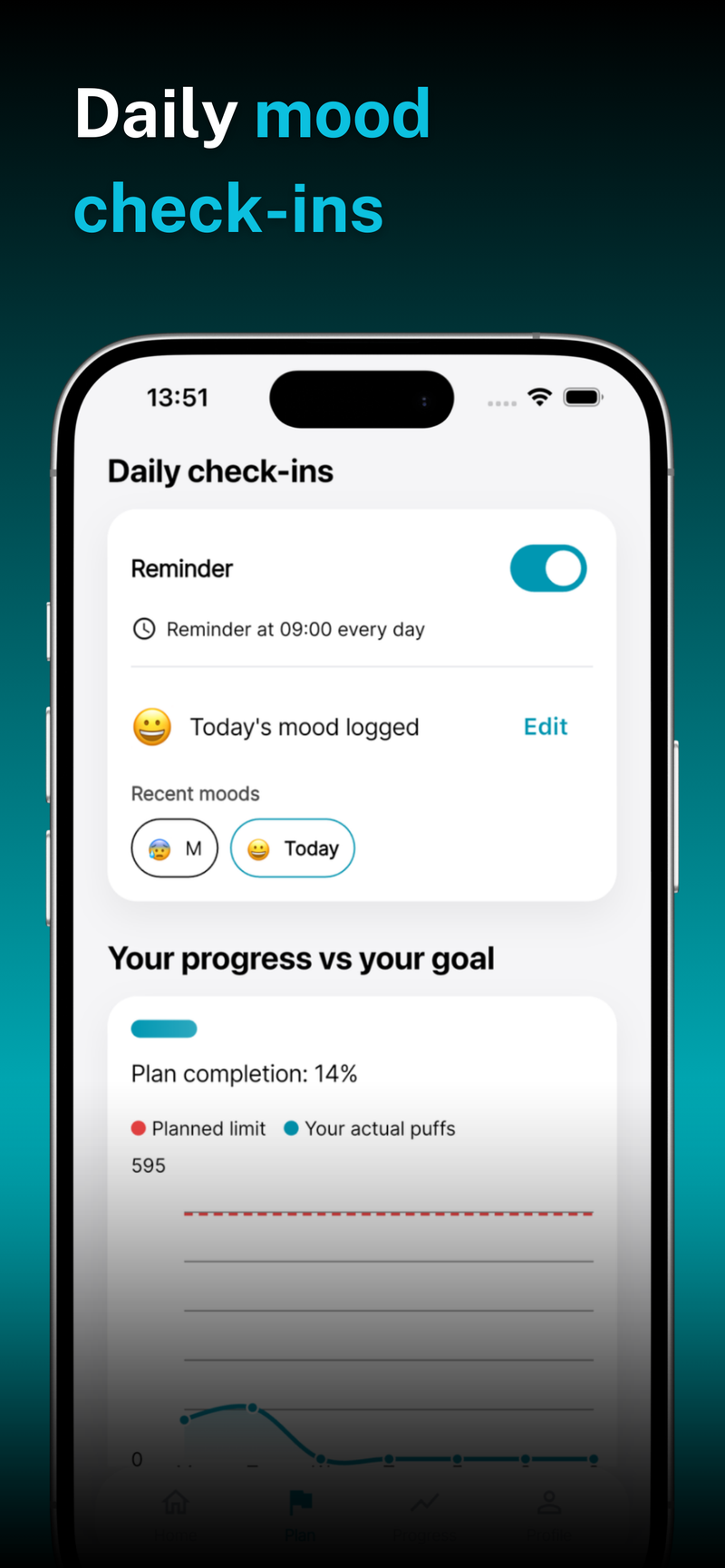
If you’re looking for a structured way to tailor this plan to your habits, goals, and timeline, Quit Smoking & Vaping can help with onboarding and personal setup to create a plan that fits you. With Fokus Puff – User-Facing Features, you can personalize your quit or reduction journey and build confidence one day at a time.



💪 Onboarding & Personal Setup