Quit Smoking

Quit Smoking

Your journey to freedom

·Health

Managing Stress to Cut Urges: A Practical Quitting Guide

Stress often fuels urges to smoke or vape. This guide offers practical, proven techniques to manage stress, build a coping toolbox, and reduce cravings without relying on willpower alone.

smoking cessationstress managementcraving copingquit smokingvaping

Introduction


Relapse often feels less about willpower and more about how we handle everyday stress. When stress piles up, urges to reach for a cigarette or a vape can spike, making quitting feel overwhelming. The good news is that you can lower those urges by building a simple, reliable toolbox for stress management and cravings support.

Understanding stress and cravings


The stress-craving link


Nicotine can act as a quick crutch for stress, so when life feels tense, your brain may cue cravings as a way to seek relief. Cravings are often strongest during emotional or physical strain, but they’re typically short-lived if you ride them out and use a coping strategy.

Common stressors that trigger urges


  • High workload or deadlines

  • Money concerns or planning for future costs

  • Sleep disruption or poor nutrition

  • Relationship or family tension

  • Overstimulation from screens or news
  • Practical stress-management strategies


    Build a toolbox of quick relief techniques


    Try a few techniques to see what suppresses urges best for you:
  • Breathing exercises: 4-7-8 breathing or box breathing (inhale 4, hold 4, exhale 4, hold 4) for 1–2 minutes.

  • Grounding: 5-4-3-2-1 sensory exercise (name 5 things you see, 4 you feel, 3 you hear, 2 you smell, 1 you taste).

  • Progressive muscle relaxation: tense a group of muscles for 5 seconds, release for 15 seconds; repeat with different areas.

  • Short movement: a 5–10 minute walk, quick jog, or stretch routine to downshift tension.

  • Hydration and light nutrition: a glass of water or a small snack can blunt cravings triggered by hunger or blood sugar dips.
  • Plan ahead for known triggers


  • Identify your top triggers (e.g., certain times of day, after meals, during stress).

  • Create a quick-action plan for each trigger: e.g., after lunch, take a 5-minute walk and sip water instead of reaching for a cigarette.

  • Prepare substitutes: gum, a stress ball, a frus-tration pad, or a small task you can do with your hands.
  • Replace coping with alternatives


  • Keep something to occupy your hands and mouth that isn’t tobacco (sugar-free gum, crunchy veggies, or a mint).

  • Swap the ritual: if you vape or smoke at a certain time, replace the ritual with a brief stretch, a deep breath, or a short chat with a supportive friend.

  • Lean on routines: predictable cues (coffee, commute) can be transformed into new rituals that don’t involve nicotine.
  • Mindset and relapse prevention


  • View cravings as waves: they rise, peak, and fall within minutes.

  • Normalize slips: one urge doesn’t erase progress; you can reset instantly.

  • Keep a simple daily reminder: “I’m choosing relief over relief-through-nicotine.”
  • Create a daily routine that reduces urges


    Structure your day


  • Regular meals and stable blood sugar help manage irritability and stress.

  • Consistent sleep improves mood and resilience to cravings.

  • Limit caffeine in the late afternoon if it heightens anxiety or jitteriness.

  • Schedule short breaks every 2–3 hours to reset and prevent build-up of stress.
  • Micro-goals and stress monitoring


  • Set 1–2 small, doable goals each day that don’t involve nicotine.

  • Use a simple stress log: note what caused tension, what you did to cope, and how you felt afterward.

  • End each day with a quick reflection: “What helped today? What can I tweak tomorrow?”
  • When urges hit: step-by-step cravings management


    The urge curve


    Cravings typically rise for a few minutes, peak, and fade. The more you delay and engage a coping tactic, the more likely you are to ride it out without giving in.

    Urge-action ladder (simple steps you can use now)


    1) Pause and label the urge: “This is a craving, not a fact.”
    2) Choose one quick relief technique (breathing, grounding, or movement).
    3) Delay for 5 minutes; repeat the technique if needed.
    4) Redirect: call a friend, start a 2-minute chore, or drink water.
    5) Reflect afterward: what helped most, and what could be improved next time?

    Post-urge self-care


  • After an urge, do something soothing but productive: wash your face, tidy a small space, or write a quick note about what you learned.

  • Acknowledge your effort: even small wins build confidence for the next craving.
  • Tracking progress and staying motivated


    Simple metrics that matter


  • Number of nicotine-free days or smoking/vaping days.

  • Craving frequency and intensity (scale 1–10).

  • Triggers identified and coping strategies used.

  • Money saved and time regained from not purchasing nicotine products.
  • Celebrate small wins


  • Treat yourself to a non-tobacco reward after a milestone (bonus exercise, a movie night, or a small purchase you’ve budgeted for).

  • Share progress with someone who supports you; accountability can boost momentum.
  • Conclusion


    Managing stress effectively isn’t about squeezing more willpower out of you; it’s about equipping yourself with strategies that respond to stress without nicotine. Start by identifying your top triggers, building a short list of quick relief techniques, and tracking how those tools change your day-to-day urges. With a steady routine, small wins accumulate into real progress toward quitting or reducing smoking and vaping.

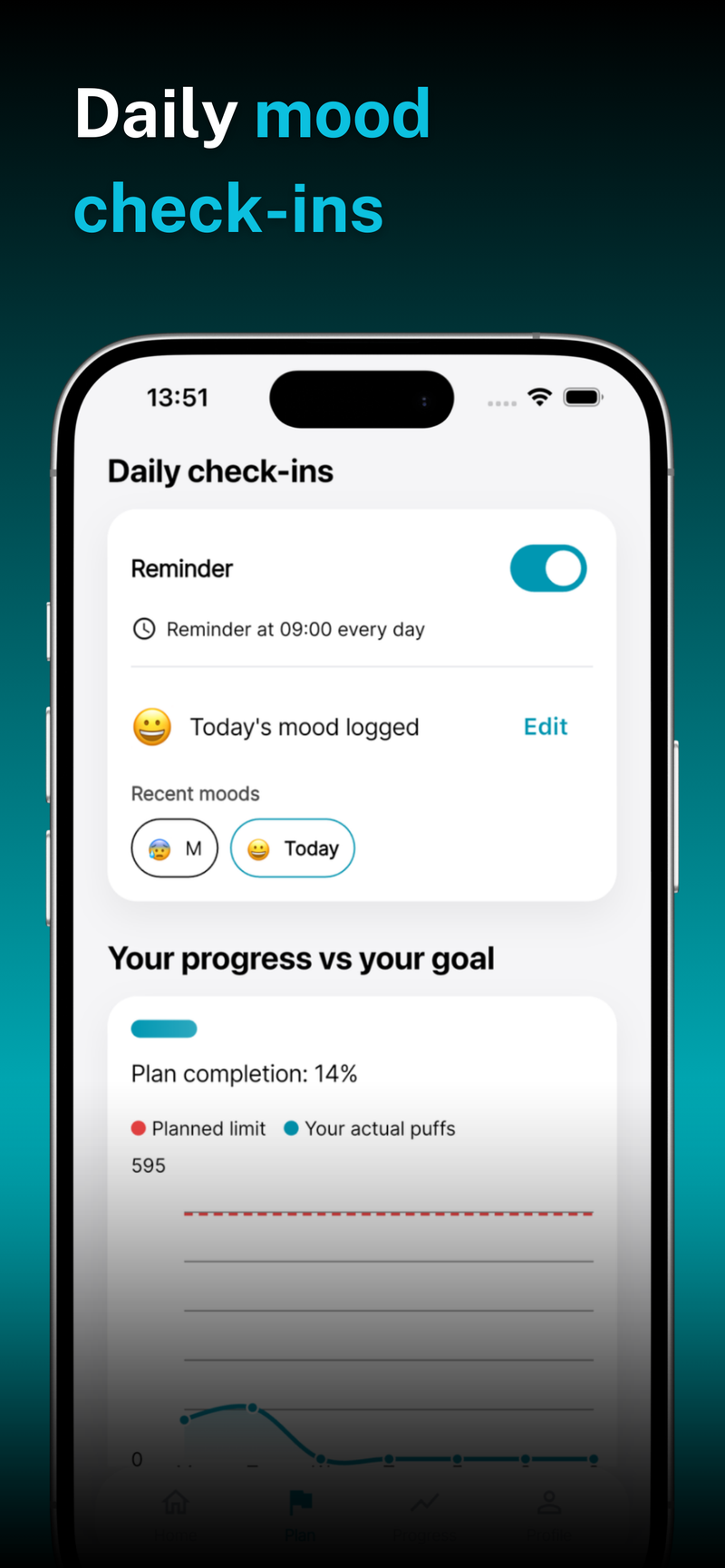
    If you’re looking for a guided path, Quit Smoking & Vaping offers an onboarding & personal setup experience to tailor a quit or reduction plan to your situation—helping you choose your product type, set your main goal, pick a timeline, and estimate daily usage. This kind of structured support can complement the stress-management steps above and keep you focused on your personal goals.

    Quit Smoking icon

    Quit Smoking

    Your journey to freedom

    Free • In-App Purchases
    GET
    Dashboard
    Progress
    Health
    Savings
    Motivation
    Stats
    Daily MotivationProgress TrackingHealth MilestonesMoney Saved

    💪 Onboarding & Personal Setup

    Related Articles

    Quit Smoking

    Your journey to freedom