
Map Your Nicotine Triggers to Prevent Relapse Today
Identify emotional, social, and environmental triggers and map them into a practical plan. Learn how to log triggers, spot patterns, and build effective coping strategies to prevent relapse, with actionable steps you can start today.
Introduction
Quitting smoking or vaping is a powerful decision. Yet cravings and triggers can show up in everyday moments, sometimes catching you off guard. A single trigger can derail weeks of progress if you’re not prepared. What if you could map those triggers like a personal roadmap and use proven strategies to outsmart them?
This article helps you identify the moments that spark your nicotine urges, categorize them, and build a simple, practical plan you can start today. It’s not about perfection; it’s about awareness, preparation, and small, steady steps that add up.
Understanding triggers
Triggers come in many forms, but they tend to cluster around a few core areas:
Recognizing these categories is the first step toward mapping and managing them. Even without quitting immediately, understanding when urges arise reduces their power over you.
Common categories and examples
Map your triggers: a practical method
Mapping is about turning vague cravings into trackable events you can plan for. Here’s a straightforward method you can follow.
Step 1: Start a trigger diary
Keep a simple log for 7–14 days. For each urge, record:
This diary doesn’t have to be perfect—it just needs to capture patterns.
Step 2: Review for patterns
After a week or two, look for recurring themes. Do certain times of day show up more than others? Are there particular people or places that repeatedly trigger cravings? Group similar triggers and mark them as high, medium, or low risk.
Step 3: Build coping strategies for high-risk triggers
For each high-risk trigger, assemble a go-to coping option. Examples:
Step 4: Create if-then plans
Turn insights into concrete plans. Use if-then statements to pre-commit to actions when triggers arise. Examples:
Step 5: Prepare your environment and supports
Practical relapse-prevention framework
Here’s a compact framework you can apply weekly:
1) Map your triggers from your diary into a simple table (category, trigger, risk level, coping strategy).
2) Write 2–3 if-then plans for your top high-risk triggers.
3) Implement a 5-minute urge delay whenever cravings hit. Many urges fade after a short delay.
4) Review and adjust every week: what worked, what didn’t, and what to tweak.
5) Build a support system you can rely on during tougher days.
Real-world tips and data points
Keep momentum and stay proactive
Conclusion
Mapping your nicotine triggers gives you a practical, personal roadmap to prevent relapse. By identifying emotional, social, environmental, and routine triggers, logging them, and building ready-to-use coping strategies, you gain real control over cravings. If you want a guided path to create this personalized plan, consider a structured onboarding flow that helps you set goals, define your quit or reduction timeline, and tailor coping strategies to your daily life.
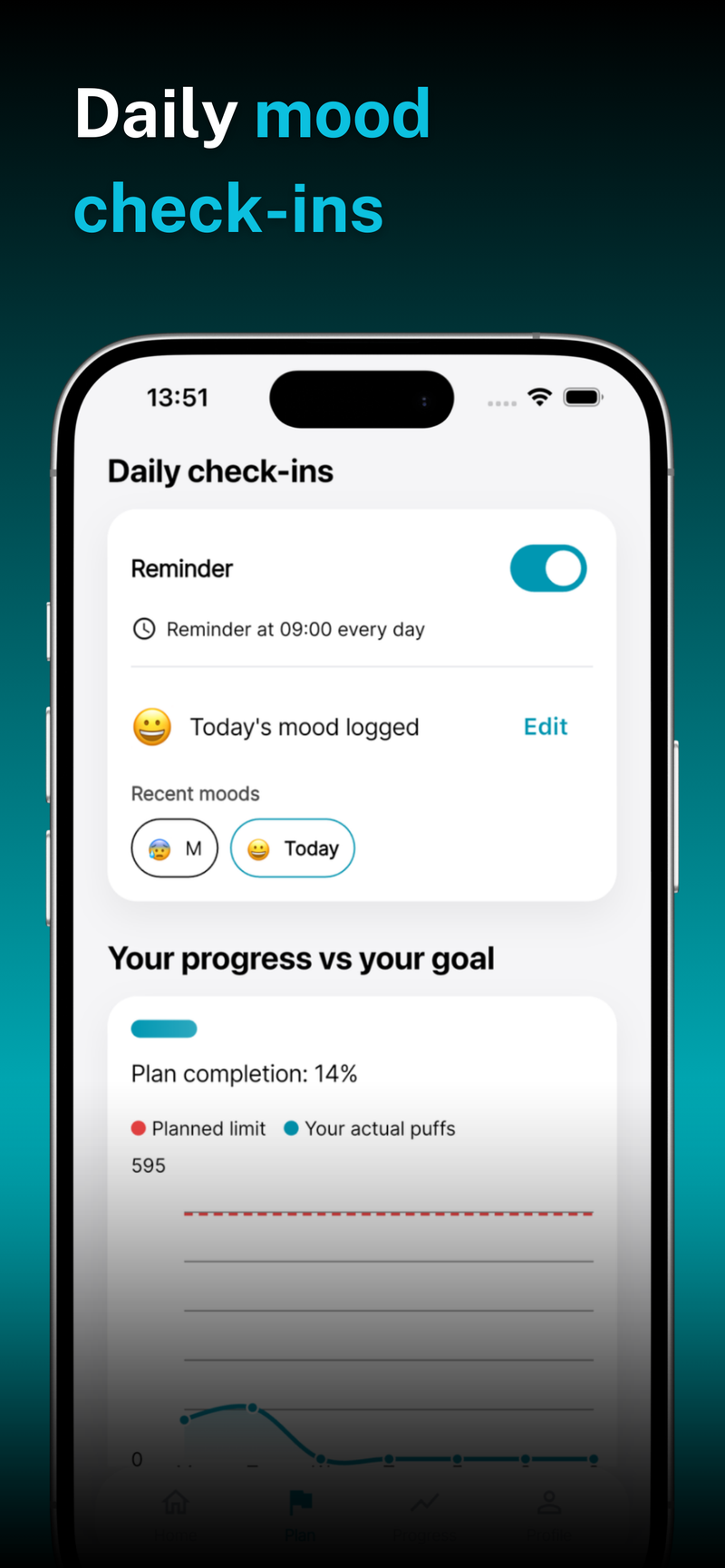
Tip: an onboarding-based approach can streamline this process and keep you focused on sustainable change. On the final note, if you’re exploring a guided setup, Quit Smoking & Vaping offers an onboarding and personal setup experience to help map your triggers and build a customized quit plan. This focused support is designed to complement your own efforts and provide practical steps you can implement right away.



💪 Onboarding & Personal Setup