
Master Monthly Expense Tracking: Receipts to Savings
A practical, no-nonsense guide to turning receipts into a clear monthly spending picture. Learn a simple framework to capture, categorize, review, and trim expenses—and start saving with confidence.
Introduction
Do you ever feel like money vanishes after payday, leaving you surprised by where it went? Receipts pile up, subscriptions slip through the cracks, and by the end of the month you’re wondering where the extra dollars went. You’re not alone. Many people want to budget better, but they mistake busy schedules for a reason to skip tracking altogether. The good news: a simple, repeatable process can reveal where your money really goes — and show you how small changes add up to meaningful savings.
This guide lays out a practical framework you can implement this month. You’ll capture every expense, categorize it in a sane way, review what happened, and translate those insights into real reductions. It’s not about deprivation; it’s about visibility, consistency, and smart adjustments that fit real life.
Main Content
Capture every receipt, big and small
Why this matters: you can’t manage what you don’t measure. A small habit—capturing receipts promptly—reduces later guesswork and makes the rest of the process smoother.
Categorize with a simple framework
A clean, minimal category system keeps you focused. Start with five broad buckets:
Tips for staying sane:
A quick example: if your total monthly spend is about $4,000 and you find $800 in Discretionary purchases across a few weeks, that’s a clear signal to investigate where you can trim.
Review regularly to close the gap
Why it works: looking at trends, not single receipts, turns data into behavior. Small adjustments compound over time.
Turn tracking into tangible savings
Note: even basic tracking can reveal a meaningful gap. In many households, a 5–15% difference between planned and actual spending can be trimmed with consistent tracking and small adjustments. The key is habit, not perfection.
A simple 30-day action plan
1) Day 1–7: Gather receipts and set up your log (digital or paper). Decide your five categories. 2) Day 8–14: Start logging daily purchases and note any anomalies. 3) Day 15–21: Do a first mini-review; identify your top overspent areas. 4) Day 22–30: Implement one micro-change in a top category. 5) End of month: compare plan vs actual, celebrate wins, and set new targets.
If you stick with the cadence, you’ll finish the month with a clear picture of where money goes and a concrete target for next month.
Conclusion
Tracking monthly expenses doesn’t have to be overwhelming. A steady routine—from capture to review—makes savings a natural outcome of clearer visibility. Start with a tiny habit, stay consistent, and let the data guide smarter decisions for your family budget.
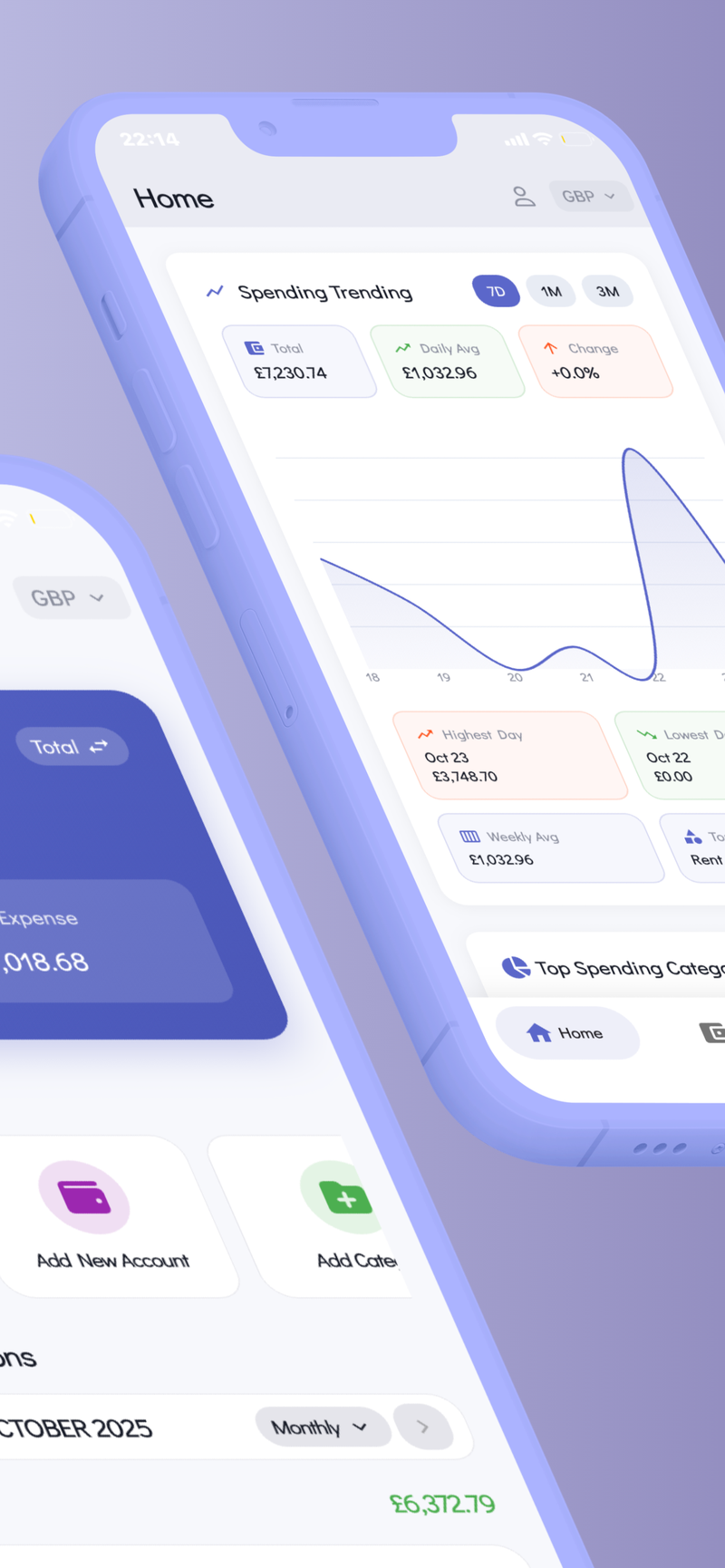
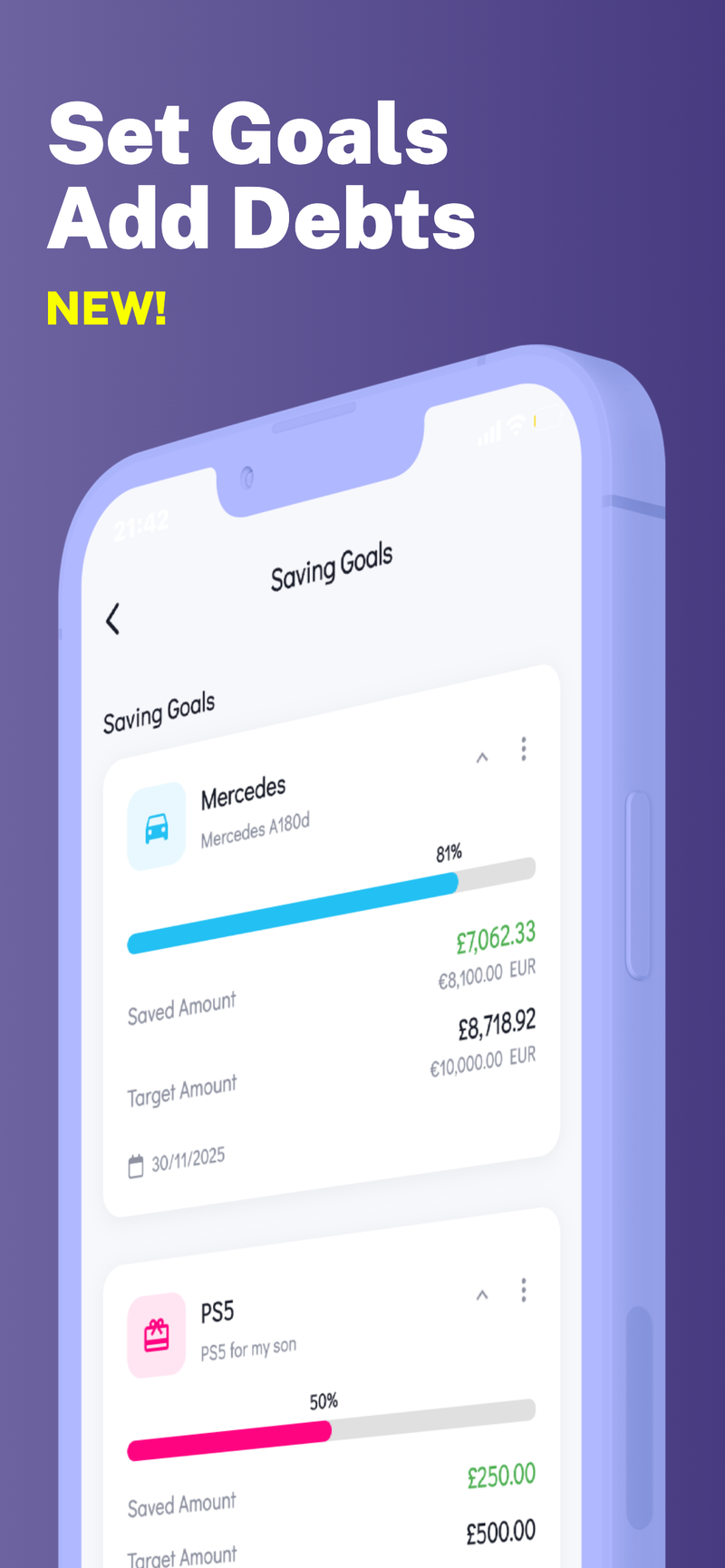
If you’re looking for a privacy-focused tool that helps you stay organized without clutter, there are options designed to keep your data on your device while supporting multiple profiles and currencies. Fokus Budget can help with this; its privacy-first, on-device data storage is one of its core strengths, especially for households juggling personal, family, or small-business finances. Consider it as a quiet, capable ally as you turn receipts into savings.



✨ Privacy-first on-device data storage